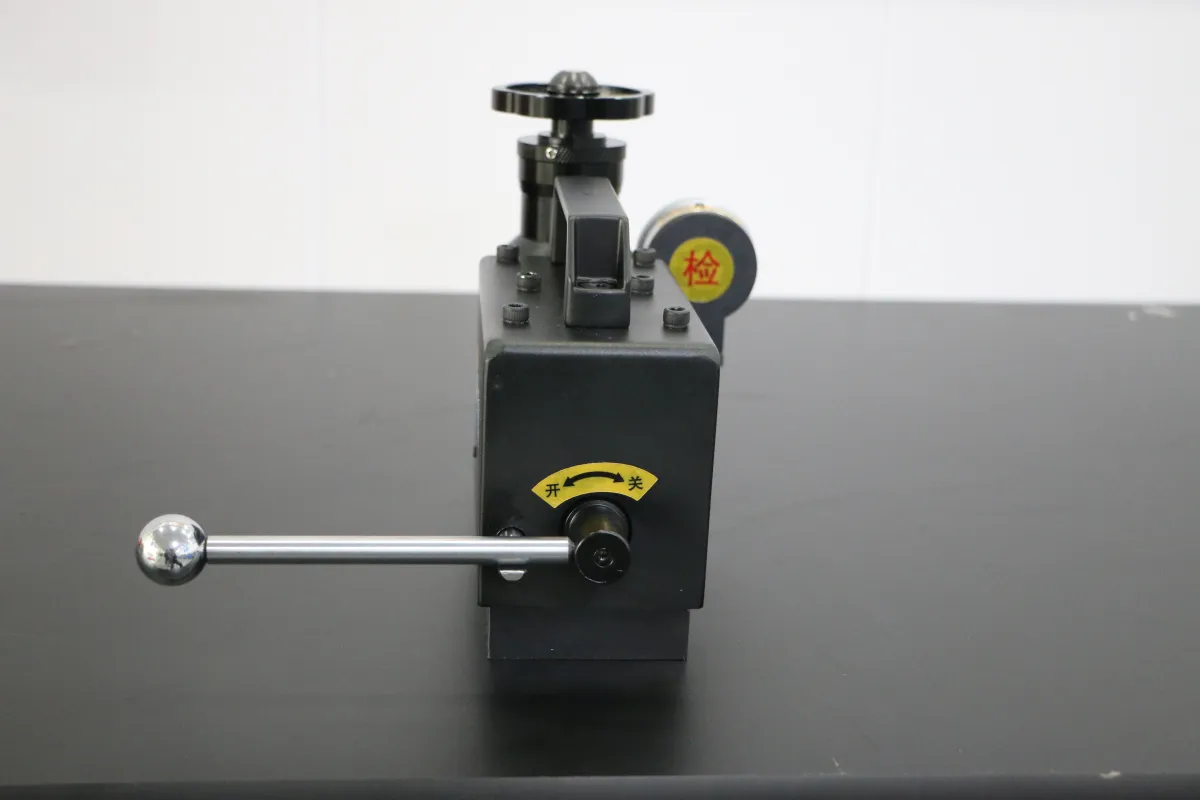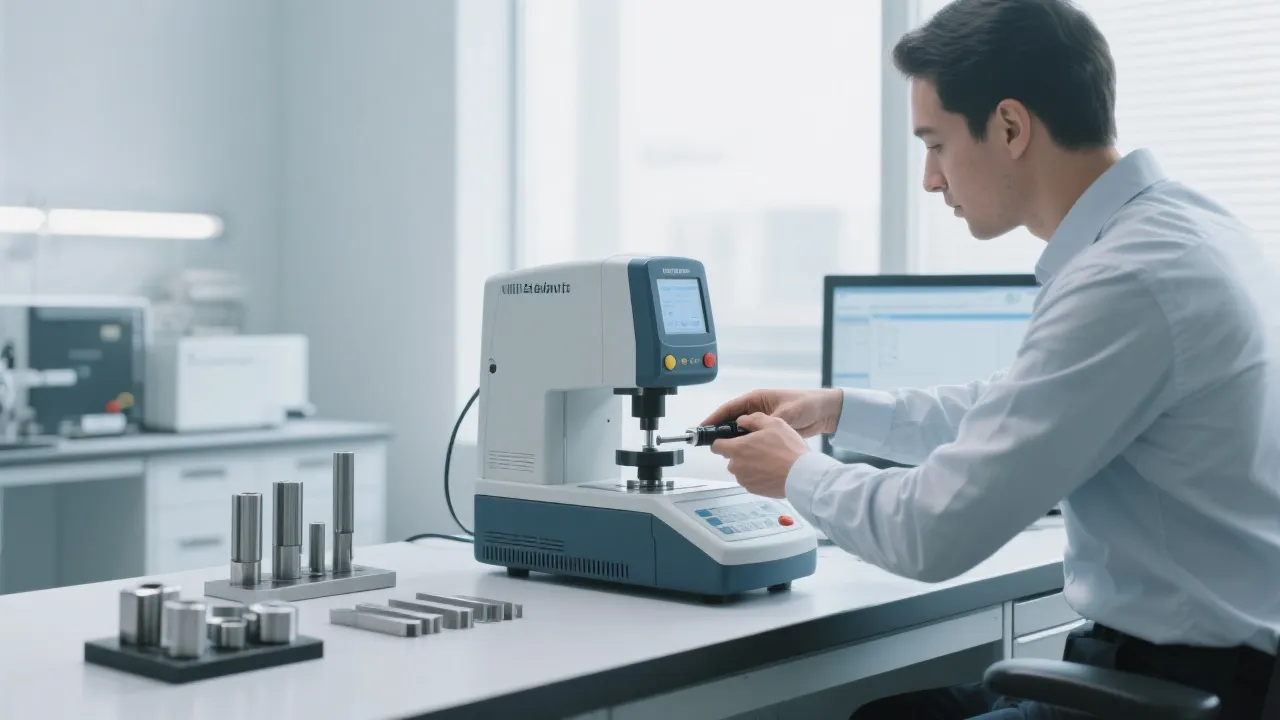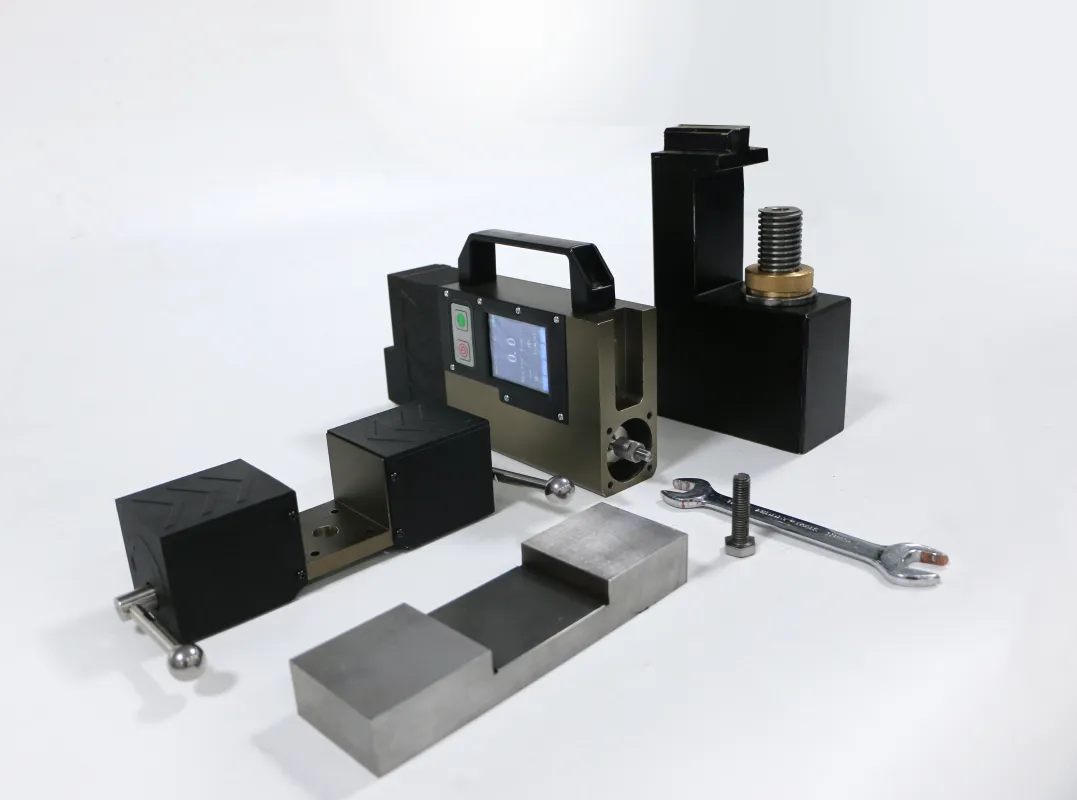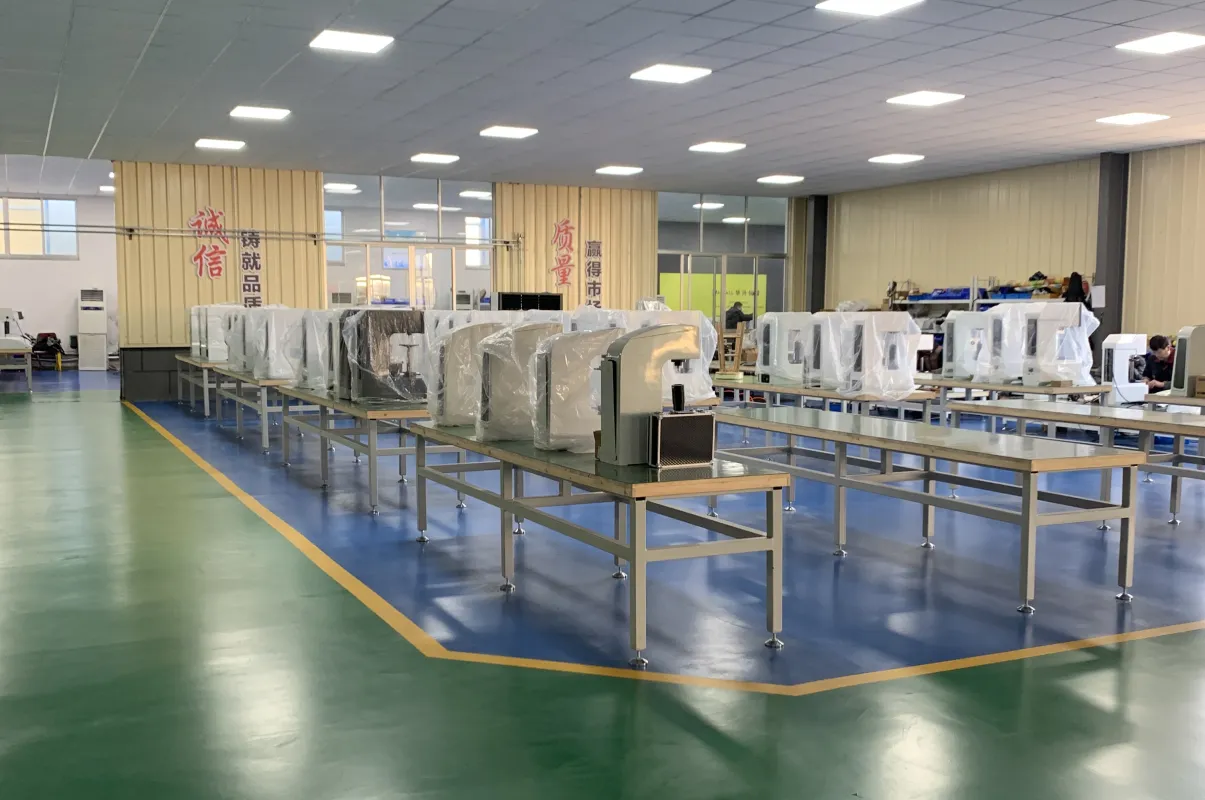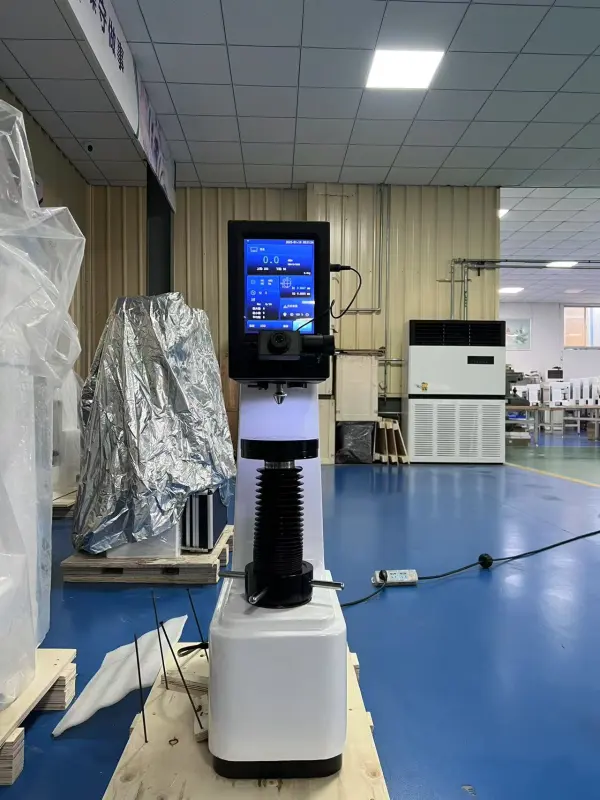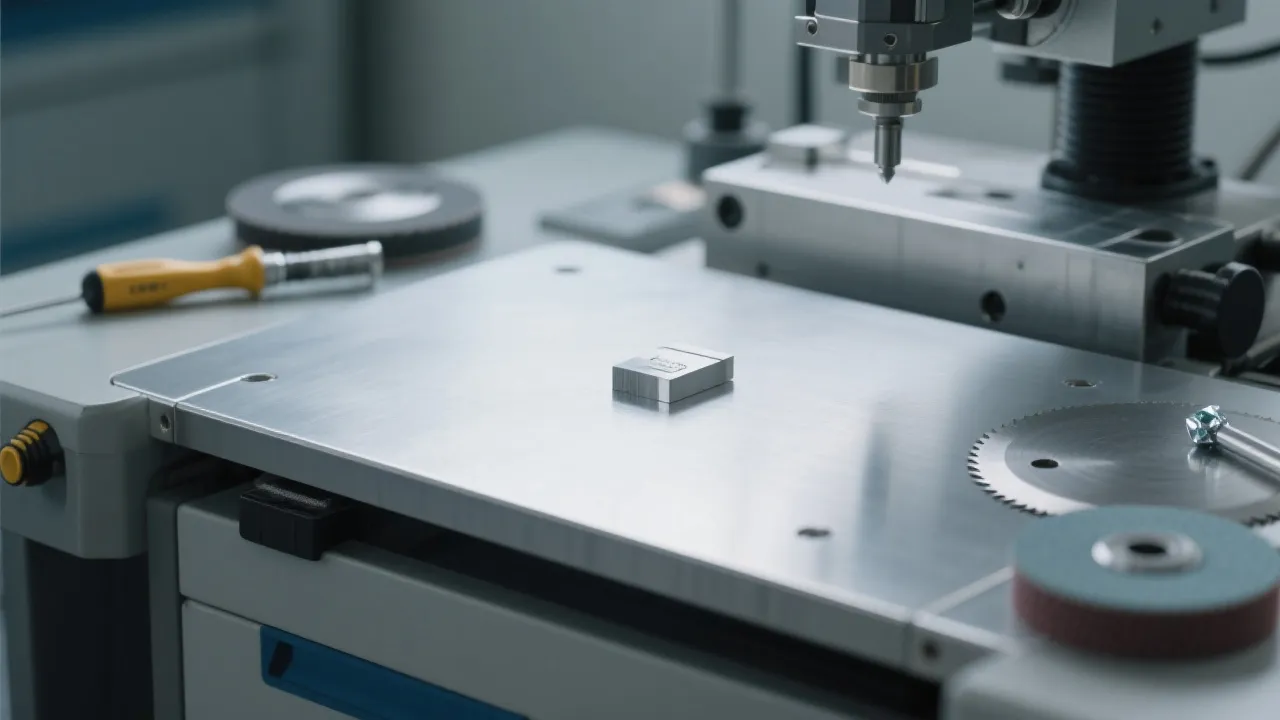
The 12MHBS-3000ZD by Laizhou Jincheng Industrial Equipment Co., Ltd. represents a cutting-edge solution in the precision measurement of material hardness. Combining an automated turret design, multi-level test force options, and sixteen standard scales, this device streamlines and enhances Brinell hardness testing across diverse industrial and laboratory environments. The integration of advanced digital image processing technology enables rapid, accurate indentation capture and analysis, elevating data reliability and operational efficiency.
At the core of the 12MHBS-3000ZD’s innovation is its fully automated turret, which houses multiple indenters and test blocks. This configuration facilitates seamless transitions between test scales and force levels without manual intervention. Operators can select from multi-stage test forces ranging from 500 kgf to 3000 kgf, tailored precisely for a variety of materials from soft metals to hardened steel alloys.
The device supports sixteen international Brinell test scales (HBW), allowing users to quickly switch between standardized measurement parameters compliant with ASTM E10 and ISO 6506-1 standards. This versatility significantly reduces testing time and human error, improving throughput by up to 20% compared to semi-automated systems.
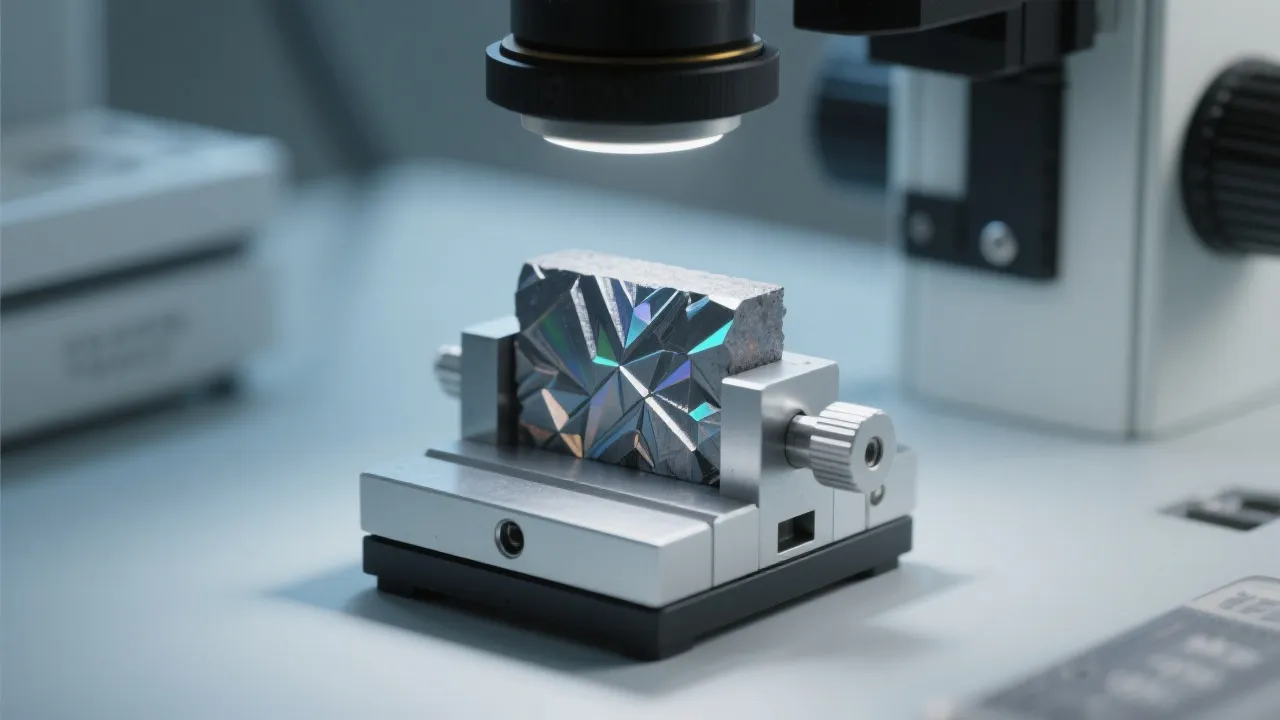
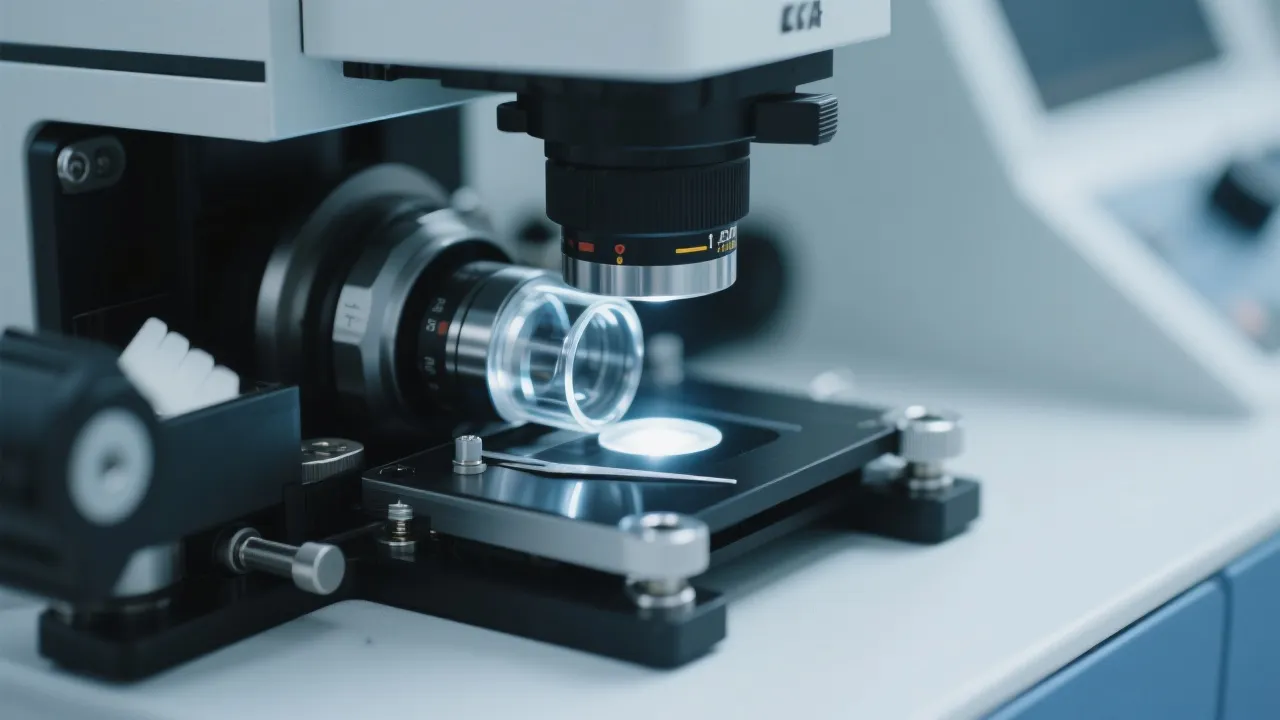
Leveraging high-resolution digital imaging, the 12MHBS-3000ZD automatically captures and analyzes indentations without manual microscope adjustment. This method enhances repeatability by minimizing operator variability, using edge detection algorithms to calculate indentation diameters with a precision of ±0.01 mm.
The software processes images in under 2 seconds, enabling rapid cycle times and real-time hardness display. Additionally, the integration with digital databases for test data management supports comprehensive traceability and quality control in production lines and R&D labs.

Maintaining optimal performance requires regular cleaning of optical components and mechanical parts. The device includes software-driven calibration prompts that guide users through step-by-step adjustments to ensure consistent force delivery and sensor accuracy. Monthly calibration following ISO standards is recommended, with a full hardware system check bi-annually.

Despite robust engineering, occasional issues can arise. Common faults include turret misalignment, image capture errors, and inconsistent force application. The device includes an intuitive diagnostic module displaying error codes and recommended corrective actions.
Practical solutions include recalibrating the turret position, updating imaging software firmware to the latest version, and rechecking connections of the load cell sensors. These interventions typically reduce downtime by up to 30%, ensuring continuous operational availability.
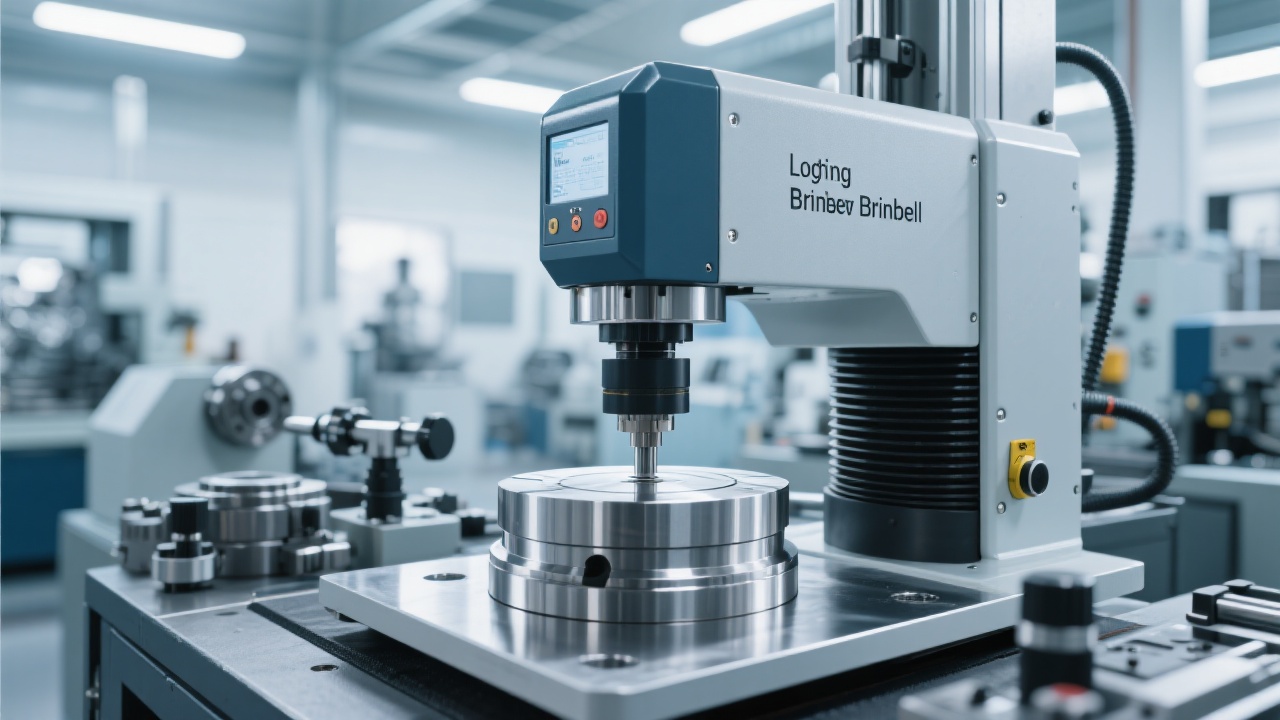
Leading industrial manufacturers and research labs have reported a 25% boost in testing throughput and data reliability since adopting the 12MHBS-3000ZD. One client in aerospace materials testing praised the device’s ability to rapidly adapt to diverse sample geometries and hardness ranges without manual recalibration.
Additionally, the automated data logging feature has simplified compliance reporting in quality control procedures, cutting administrative work by approximately 40%.
 electronic Brinell hardness tester maintenance
industrial hardness testing guide
hardness tester troubleshooting
HB-3000C usage tips
metal hardness measurement
Electronic Brinell Hardness Tester Calibration
Standard Hardness Blocks
ISO 6506
JIS Z2243
Hardness Tester Maintenance
magnetic base hardness tester advantages
mobile hardness testing stability
on-site hardness test errors
reduction of user errors in hardness testing
shipyard hardness testing tools
Brinell hardness testing
forging quality inspection
metal hardness measurement
hardness test parameters
Jinji Brinell hardness tester
Brinell hardness tester
Rockwell hardness tester
hardness testing methods
material hardness comparison
electronic Brinell hardness tester maintenance
industrial hardness testing guide
hardness tester troubleshooting
HB-3000C usage tips
metal hardness measurement
Electronic Brinell Hardness Tester Calibration
Standard Hardness Blocks
ISO 6506
JIS Z2243
Hardness Tester Maintenance
magnetic base hardness tester advantages
mobile hardness testing stability
on-site hardness test errors
reduction of user errors in hardness testing
shipyard hardness testing tools
Brinell hardness testing
forging quality inspection
metal hardness measurement
hardness test parameters
Jinji Brinell hardness tester
Brinell hardness tester
Rockwell hardness tester
hardness testing methods
material hardness comparison


Hardness-Tester7MHVS-5103050A-1.jpg?x-oss-process=image/resize,h_800,m_lfit/format,webp)

-1.jpg?x-oss-process=image/resize,h_800,m_lfit/format,webp)