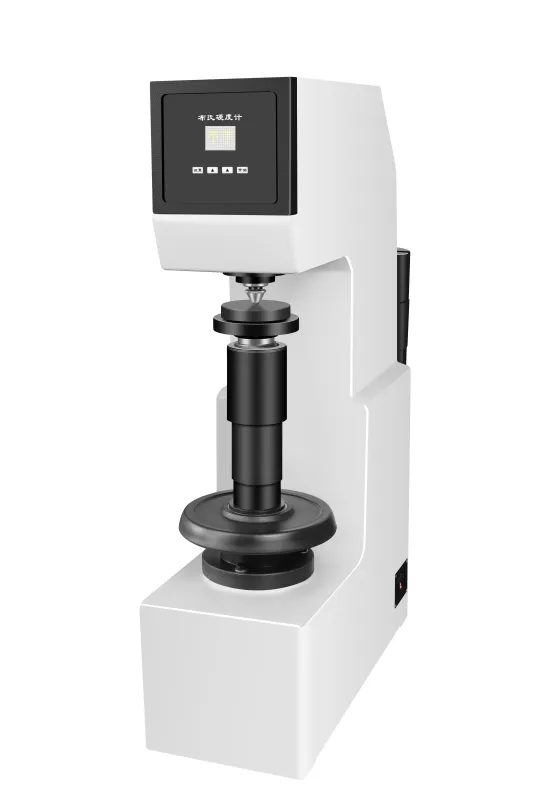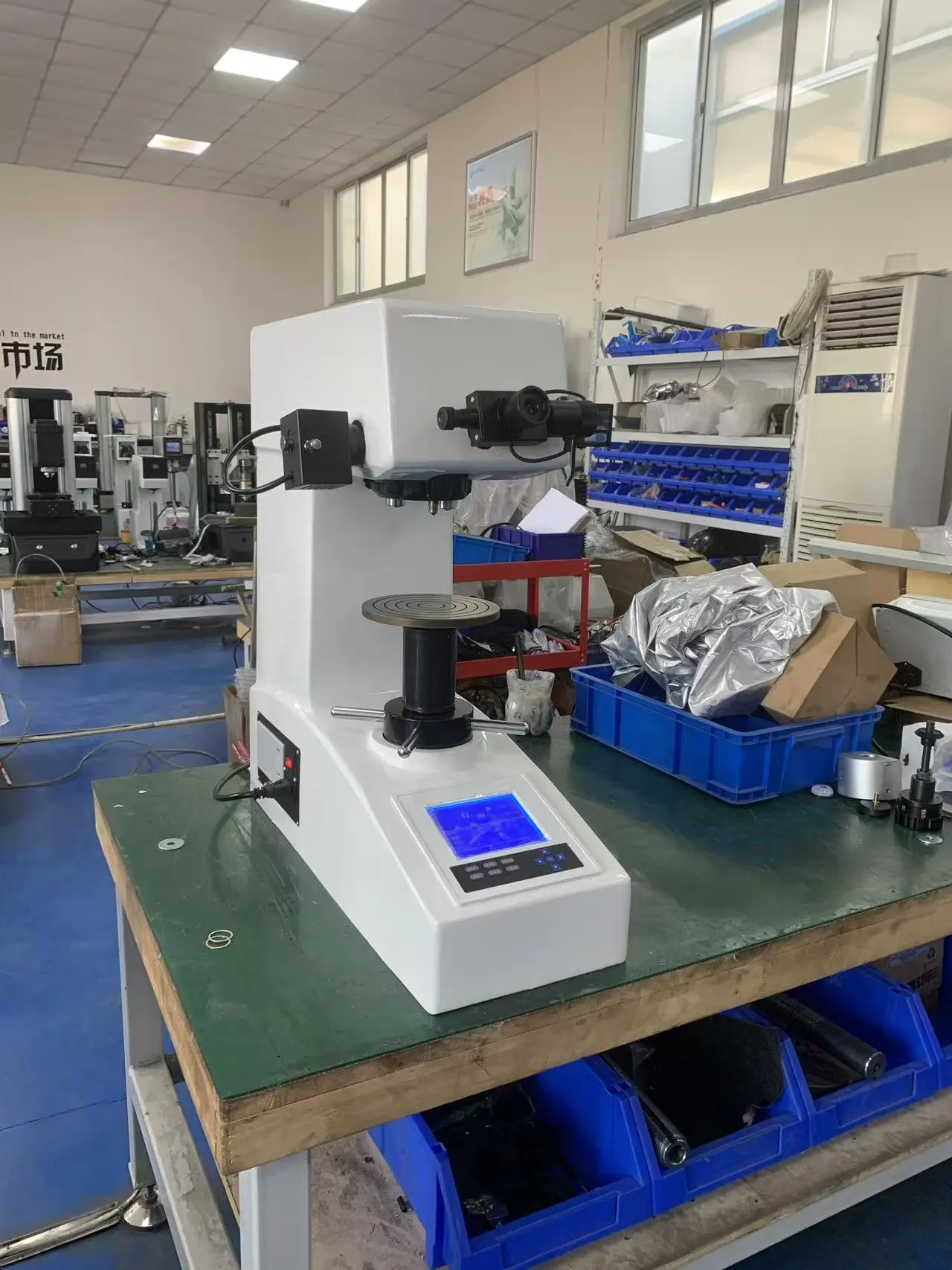
In metallurgical laboratories and quality control environments, accurately measuring material hardness is crucial for ensuring product reliability and compliance with industry standards. The HBS-3000B Brinell Hardness Tester from Laizhou Jincheng Industrial Equipment Co., Ltd. offers an advanced solution for high-precision hardness testing across a range of black and non-ferrous metals. This article delves into the technical challenges of Brinell hardness measurements, with special attention to indentation deformation and parameter adjustments. Additionally, it highlights practical tips for leveraging the built-in high-speed printer to streamline data recording, enhancing operational efficiency for researchers and quality engineers alike.
Brinell hardness testing, grounded in the ASTM E10 standard, involves pressing a hardened steel or carbide ball into the specimen surface under a standardized load and measuring the resulting indentation diameter. However, diverse material properties can influence indentation behavior significantly:
Recognizing these material-specific traits is critical to selecting appropriate testing parameters and interpreting hardness values accurately.
The HBS-3000B enables flexible parameter configurations tailored to maximize measurement reliability:
Material surface condition markedly affects indentation quality. Polished, clean specimens reduce irregular indentation profiles and measurement variability. For metals prone to pile-up or sink-in effects, adjustments such as reduced test loads and extended dwell times can help achieve consistent results.
The HBS-3000B's integrated thermal printer markedly elevates testing productivity by enabling instantaneous printout of hardness test reports. Key operational tips include:
Employing these techniques significantly reduces manual data transcription errors and accelerates reporting, enabling laboratories to meet stringent turnaround time targets.
Calibration and testing procedures aligned with ASTM E10-21 provide a robust framework ensuring comparability of Brinell Hardness Numbers (BHN) across laboratories. The HBS-3000B supports:
At a university materials science department, utilizing the HBS-3000B has reduced data acquisition time by 35%, significantly enhancing testing throughput. Complex multi-material samples demanding rapid parameter switching benefit from the tester’s intuitive interface and fast printouts, yielding dependable data sets for academic publications.
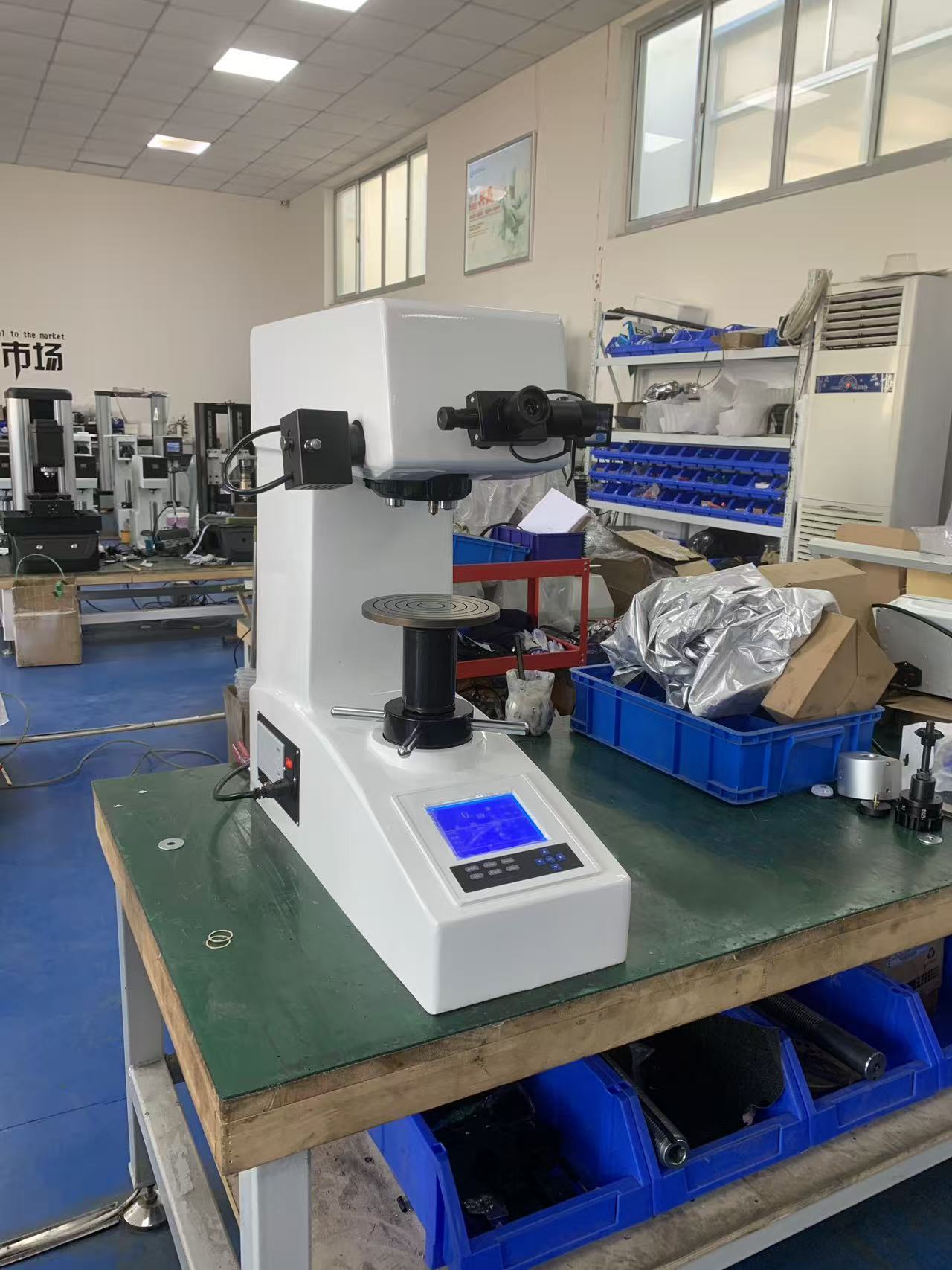
Overall, the synergy between precise hardness measurement and rapid data documentation makes the HBS-3000B a trusted instrument for laboratories demanding robust, standardized testing solutions.
 HR-150A Rockwell hardness tester
manual Rockwell hardness tester usage guide
hardness testing operation procedure
industrial on-site hardness measurement
global hardness tester after-sales service
Electronic Brinell Hardness Tester Calibration
Standard Hardness Blocks
ISO 6506
JIS Z2243
Hardness Tester Maintenance
Vickers hardness testing
Rockwell hardness testing
hardness testing methods
manufacturing hardness measurement
industrial hardness testing equipment
Brinell hardness tester
Rockwell hardness tester
hardness testing methods
material hardness comparison
HR-150A Rockwell hardness tester
manual Rockwell hardness tester usage guide
hardness testing operation procedure
industrial on-site hardness measurement
global hardness tester after-sales service
Electronic Brinell Hardness Tester Calibration
Standard Hardness Blocks
ISO 6506
JIS Z2243
Hardness Tester Maintenance
Vickers hardness testing
Rockwell hardness testing
hardness testing methods
manufacturing hardness measurement
industrial hardness testing equipment
Brinell hardness tester
Rockwell hardness tester
hardness testing methods
material hardness comparison


Hardness-TesterHVS-5103050A-7.jpg?x-oss-process=image/resize,h_800,m_lfit/format,webp)