


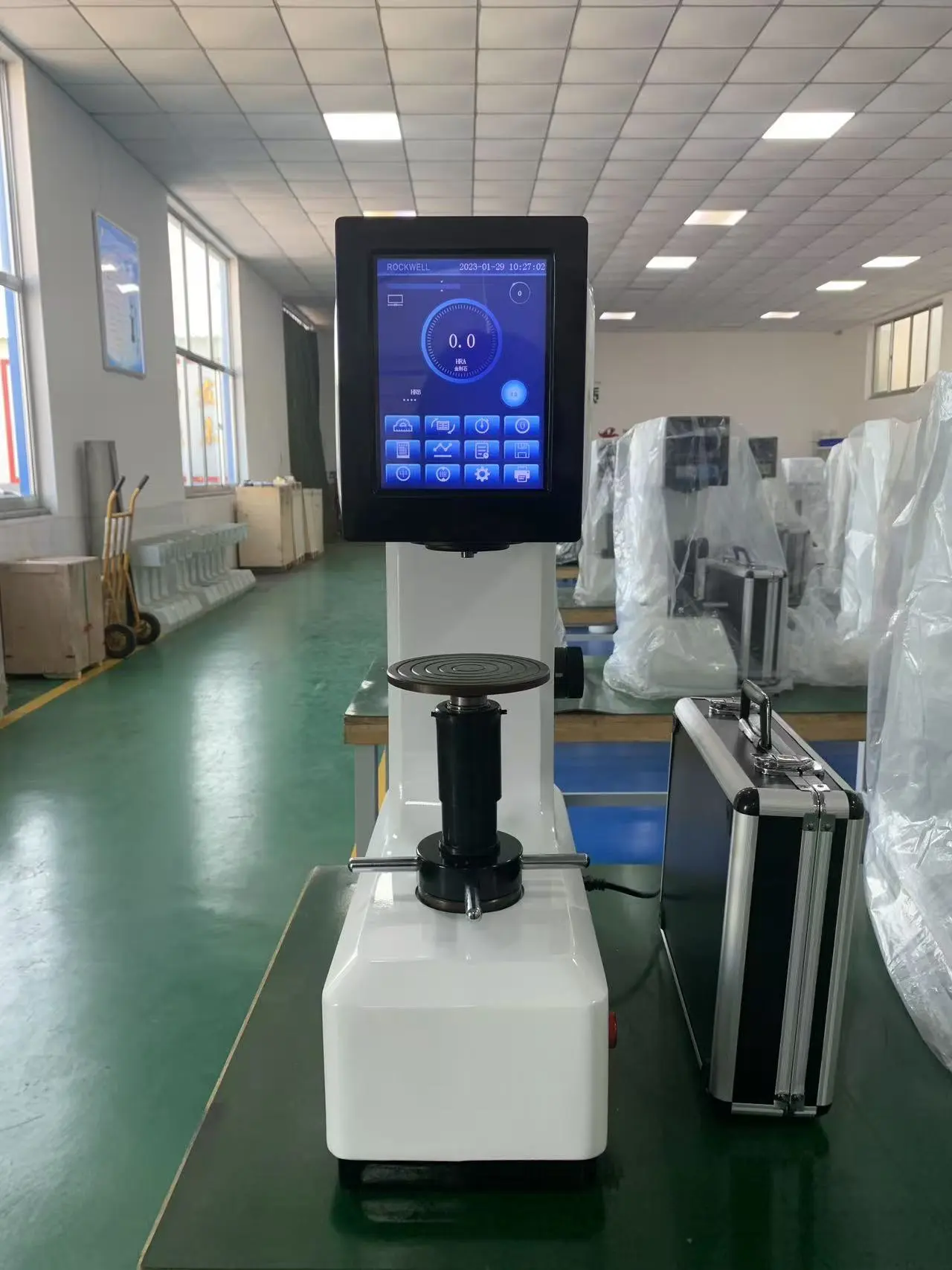
Ensuring the mechanical integrity and longevity of metal forgings is a pivotal step in manufacturing. Among various hardness testing methods, the Brinell hardness test stands out as a reliable and industry-preferred technique for quality acceptance of forged parts. This article delves into the core principles behind Brinell hardness testing, its key parameters, and real-world applications across typical materials including castings, forgings, annealed steel, and aluminum alloys—providing metallurgical engineers and quality control professionals with actionable insights to enhance testing accuracy and efficiency.
The Brinell hardness test operates on the principle of indenting the test specimen with a hardened steel or tungsten carbide ball under a specified load and measuring the diameter of the resulting indentation. The fundamental hardness number (HB) is calculated by dividing the applied load by the surface area of the indentation. Typical test parameters crucial to result accuracy include:
Selecting the proper ball diameter (typically 10 mm) and adapting load to material type ensures that the indentation is representative of the bulk hardness without damaging the specimen—critical for consistent hardness profiling in batch inspections.
Diverse industries rely on Brinell hardness testing for quality assurance of metal components. Consider the following applications:
Case Insight: A leading forging factory implemented batch sampling protocols using Brinell hardness tests on 50-piece lots, reducing inspection times by 30% while maintaining defect detection accuracy above 98%. Data templates for indentation diameter and hardness calculations streamlined documentation, enabling rapid traceability.
To facilitate effective hardness inspection in a production environment, the following step-by-step procedure is recommended:
Q1: How does Brinell hardness compare to Rockwell or Vickers tests?
Brinell testing covers larger surface areas making it ideal for heterogeneous materials such as forgings, whereas Rockwell and Vickers suit thinner or more uniform metals.
Q2: Can Brinell hardness indicate the tensile strength of a metal?
Yes, empirical correlations exist, especially for steels and aluminum alloys, enabling approximate tensile strength estimations from Brinell hardness values.
Q3: How often should calibration of the hardness tester be performed?
Routine calibration should occur monthly or after any mechanical shock to the tester to maintain measurement precision.
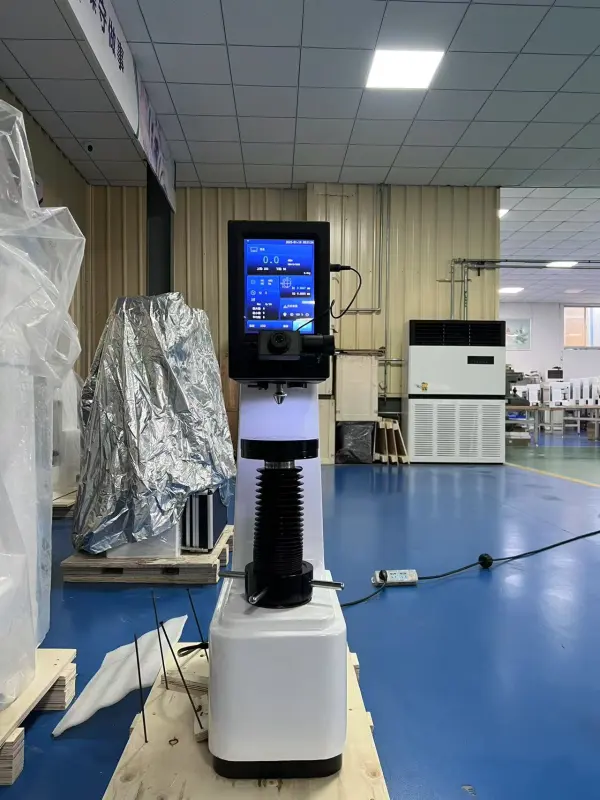
The subtle enhancements in measurement stability and accuracy offered by state-of-the-art Brinell hardness testers significantly reduce operator variability and improve reproducibility. For instance, the Jinxin Brand HB-3000B Brinell Hardness Tester integrates a stable curved surface measurement system supporting a broad range of testing loads and seamless data export functionality. Supported by comprehensive after-sales service, it empowers quality management teams to consistently optimize their inspection processes with confidence.
Discover the Precision and Reliability of Jinxin HB-3000B Brinell Hardness Tester Today electronic Brinell hardness tester maintenance
industrial hardness testing guide
hardness tester troubleshooting
HB-3000C usage tips
metal hardness measurement
HR-150A Rockwell hardness tester
manual Rockwell hardness tester usage guide
hardness testing operation procedure
industrial on-site hardness measurement
global hardness tester after-sales service
Electronic Brinell Hardness Tester Calibration
Standard Hardness Blocks
ISO 6506
JIS Z2243
Hardness Tester Maintenance
Vickers hardness testing
Rockwell hardness testing
hardness testing methods
manufacturing hardness measurement
industrial hardness testing equipment
Vickers hardness testing
metal material inspection
indentation image clarity
closed-loop loading system
automatic turret switching
electronic Brinell hardness tester maintenance
industrial hardness testing guide
hardness tester troubleshooting
HB-3000C usage tips
metal hardness measurement
HR-150A Rockwell hardness tester
manual Rockwell hardness tester usage guide
hardness testing operation procedure
industrial on-site hardness measurement
global hardness tester after-sales service
Electronic Brinell Hardness Tester Calibration
Standard Hardness Blocks
ISO 6506
JIS Z2243
Hardness Tester Maintenance
Vickers hardness testing
Rockwell hardness testing
hardness testing methods
manufacturing hardness measurement
industrial hardness testing equipment
Vickers hardness testing
metal material inspection
indentation image clarity
closed-loop loading system
automatic turret switching




-1.jpg?x-oss-process=image/resize,h_800,m_lfit/format,webp)

Hardness-TesterHVS-5103050-1.jpg?x-oss-process=image/resize,h_800,m_lfit/format,webp)
Hardness-TesterHV-1000A-1.jpg?x-oss-process=image/resize,h_800,m_lfit/format,webp)

