


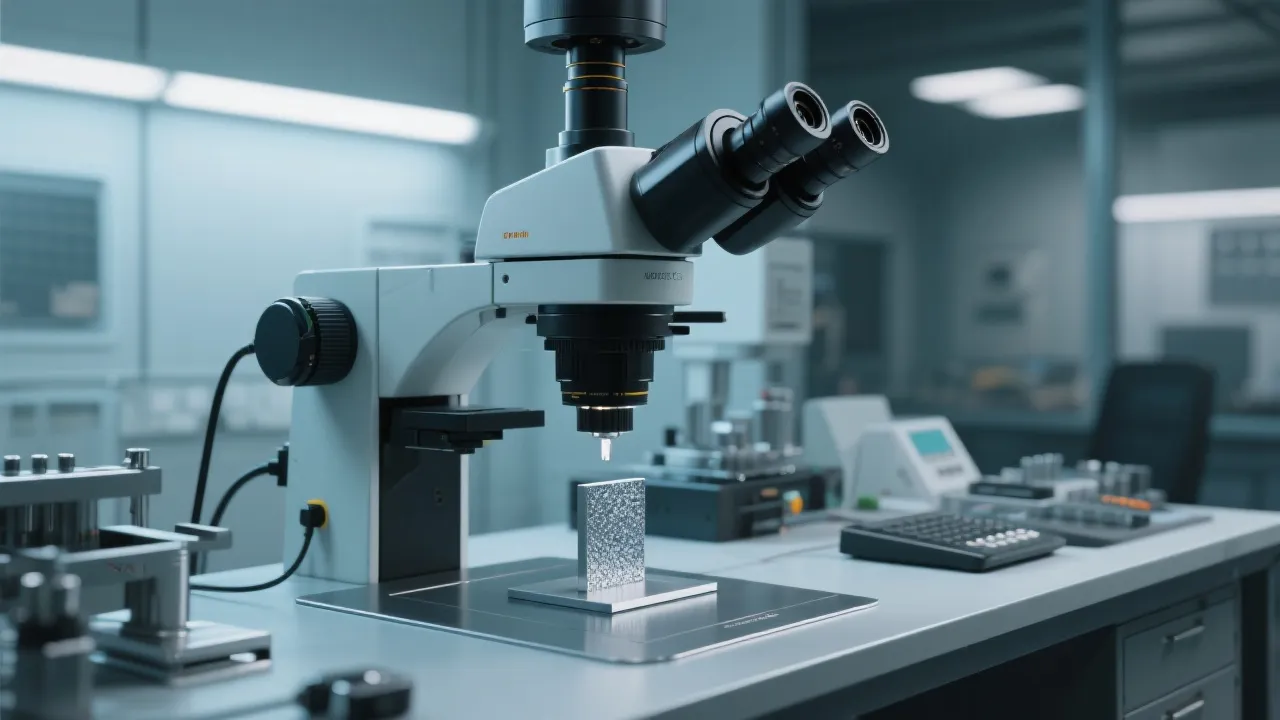
In your laboratory’s metal sample preparation, inefficiencies like long manual operation times, inconsistent sample quality, and low throughput can severely limit research progress. Selecting the right metal sample mounting press is critical for overcoming these bottlenecks and accelerating your metallographic analysis workflow.
Traditional manual mounting methods often involve repetitive and time-consuming steps that introduce variability in sample quality. For instance, inconsistent heating and pressure application can cause incomplete curing or uneven mounts. These issues result in wasted materials, repeated work cycles, and delayed data analysis, directly impacting research timelines.
To maximize your laboratory efficiency and sample consistency, focus on these five critical selection factors:
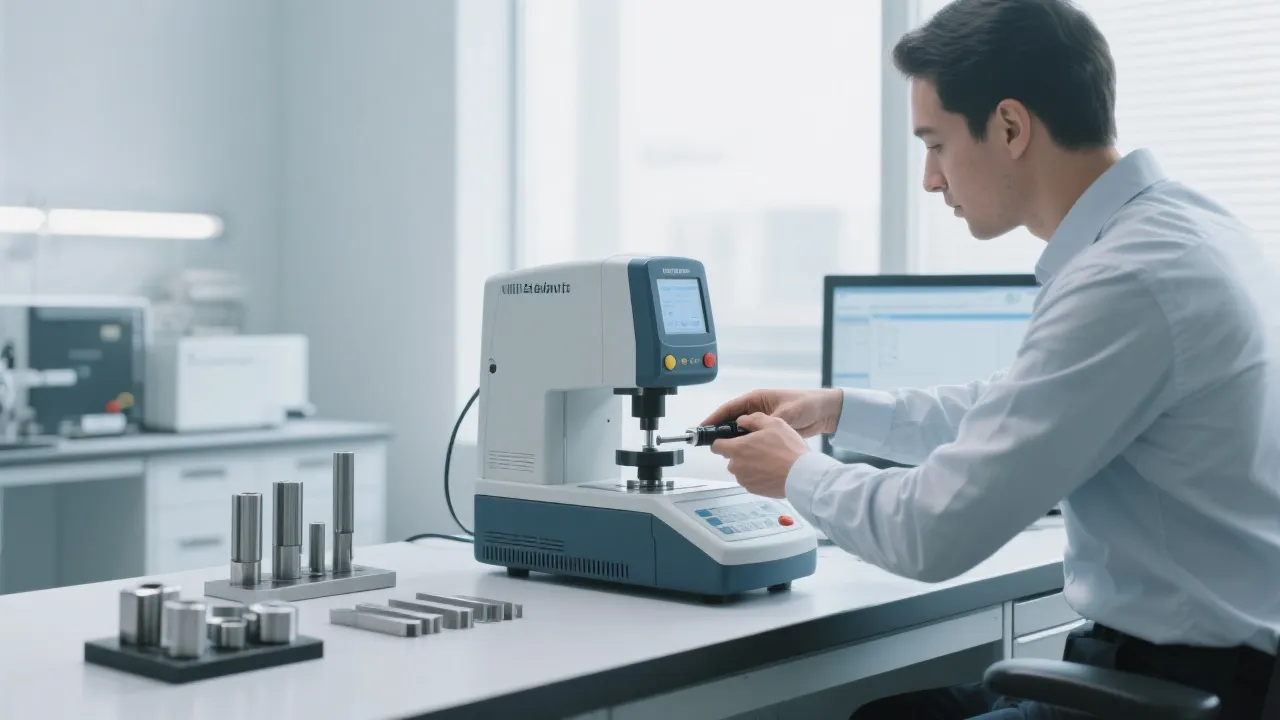
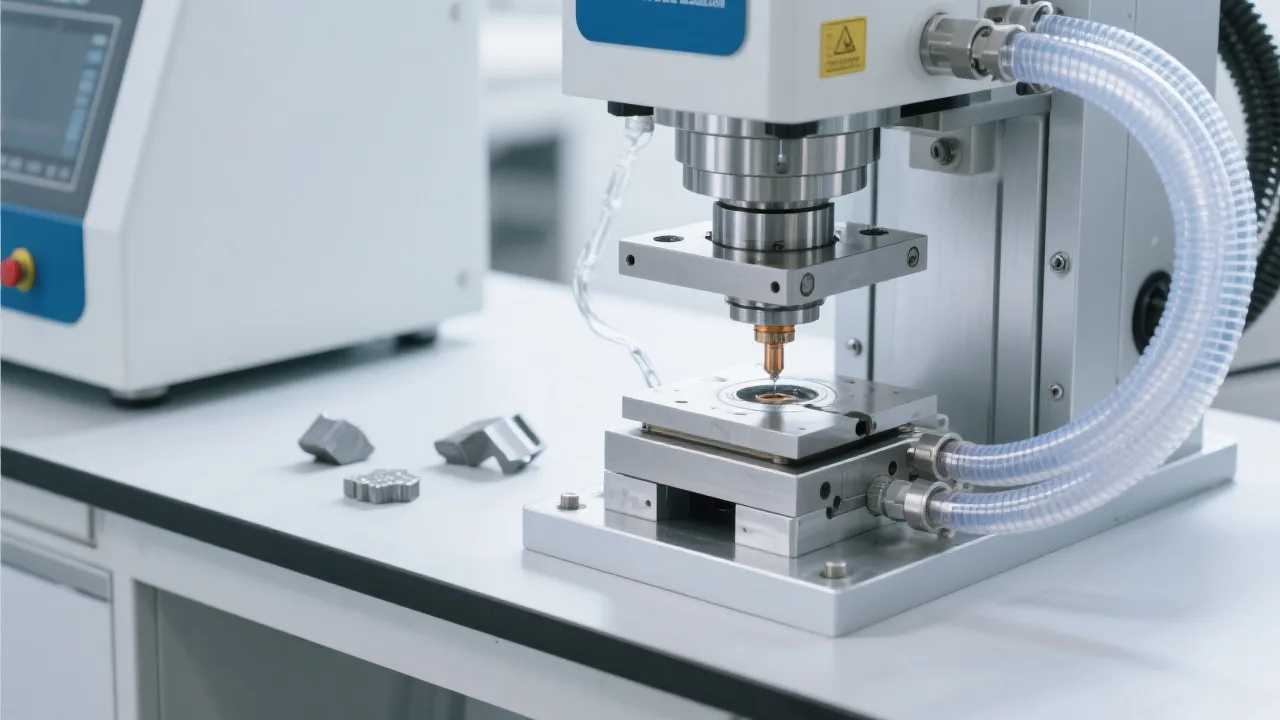
Consider the latest automated high-precision presses like the ZXQ-4, which can complete sample mounting in just 6 minutes compared to the average 15-20 minutes for manual equipment. This efficiency gain not only accelerates your workflow but standardizes sample consistency, eliminating operator-dependent variability.
ASTM E2571 Compliance Highlight: “The mounting process must maintain precise control over pressure and temperature parameters to ensure metallographic samples exhibit consistent physical properties and remain defect-free.”
Your choice of mounting material directly impacts the heating profile and press configuration:
Automated presses with modular heating elements and pressure controls allow seamless switching between these resin types without manual recalibration, significantly reducing downtime.
By aligning your press’s temperature and pressure controls with resin-specific parameters, you ensure strong, defect-free mounts essential for accurate metallographic inspection.
Investing in a machine with modular components, remote diagnostic support, and a multi-language user interface can drastically reduce operating costs and training time. These features ensure your laboratory can maintain continuous operation with minimal downtime and scale efficiently.
Consider how user-friendly software dashboards that display real-time temperature and pressure curves, aligned with ASTM/ISO standards, empower your technicians to easily monitor and adjust parameters, safeguarding process integrity.
Optimizing your equipment investment depends on several factors:
Modernizing your laboratory’s metallographic sample preparation not only accelerates research but also strengthens the reliability of results—a vital asset for quality control and scientific advancement.
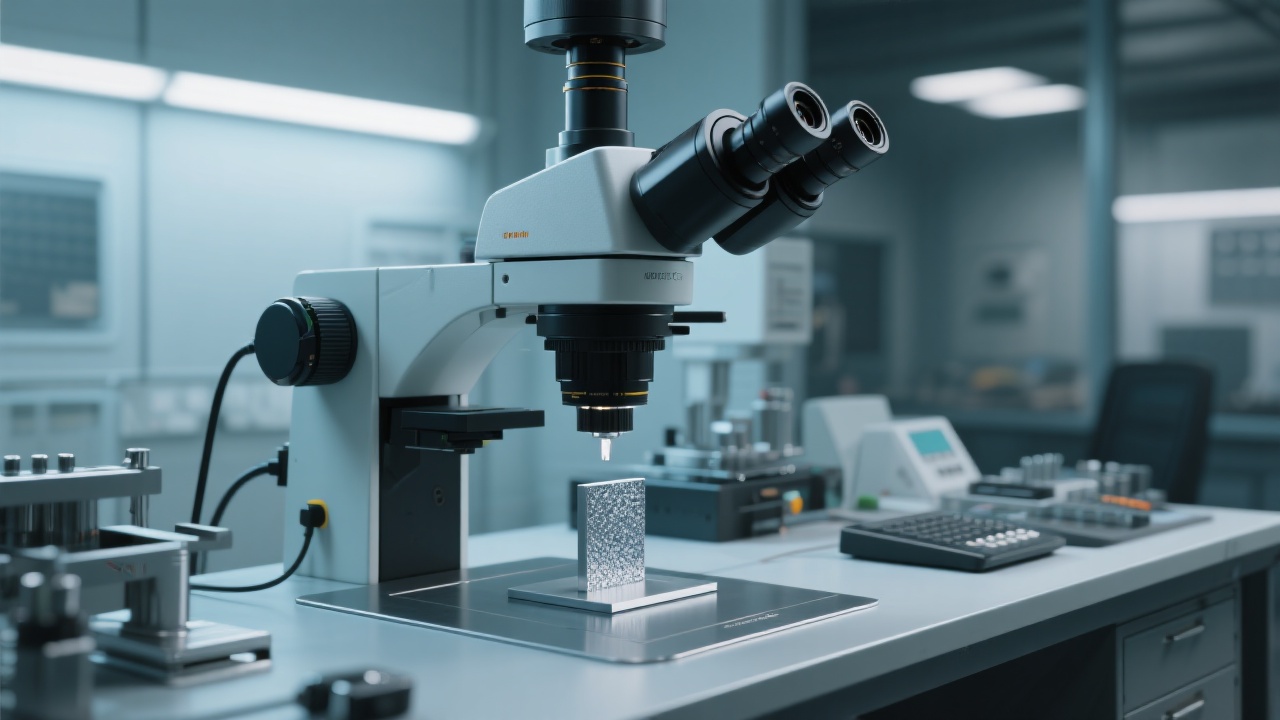
Increase your lab’s productivity with precision-engineered automation.
Visualizing the streamlined process from sample placement to curing completion can clarify operational improvements. An infographic detailing these steps is highly recommended for internal training and communication.
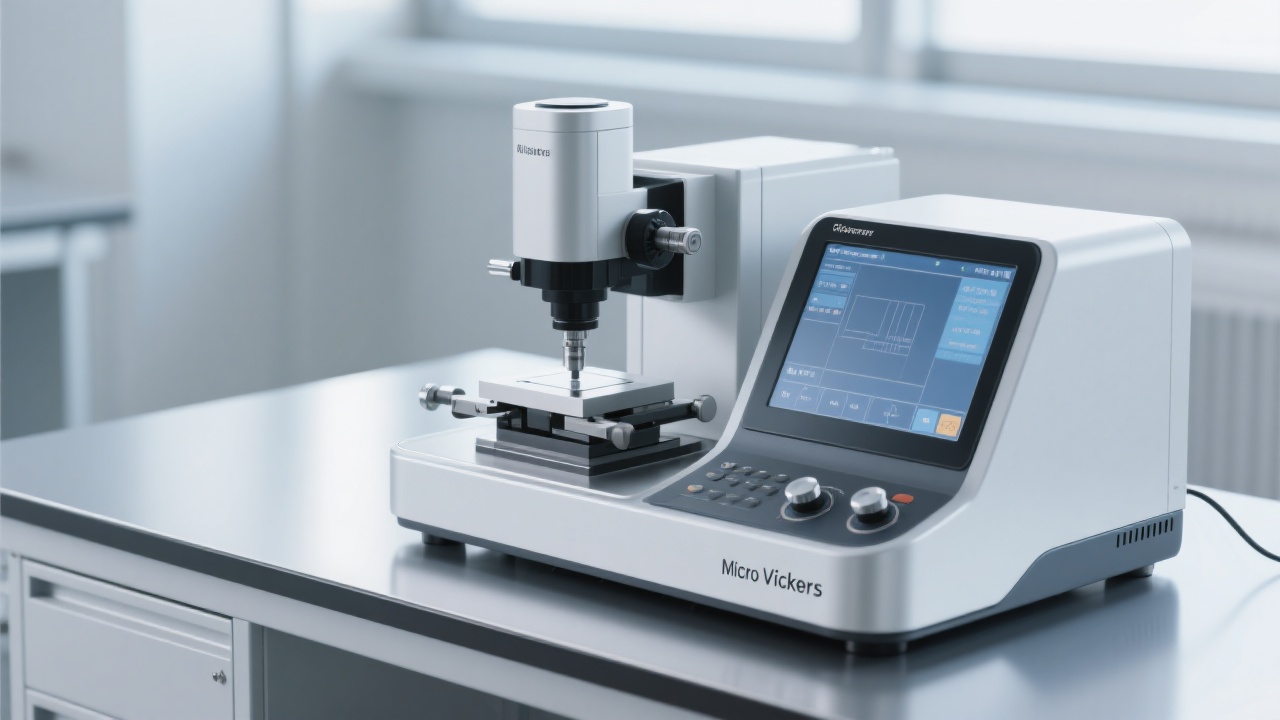
Embrace automation and precision to free your team from repetitive tasks, enabling them to focus on analysis, interpretation, and innovation.
Ready to elevate your metallographic preparation? Discover how the ZXQ-4 automated high-precision pressing machine can transform your lab’s workflow, delivering consistent results with unmatched speed and reliability.
Explore How ZXQ-4 Accelerates Your Lab's Efficiency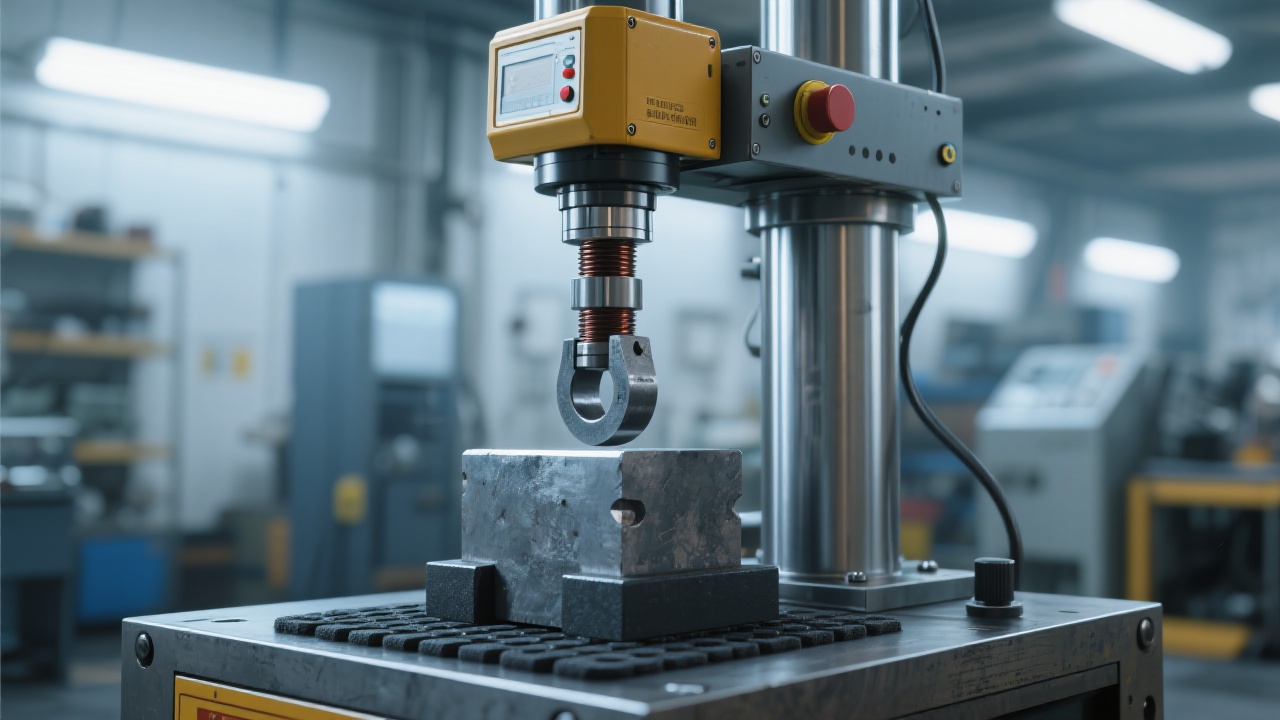
 soft metal Brinell hardness tester
Brinell hardness load selection
hardness tester precision control
soft metal hardness testing techniques
automated hardness testing
automatic Rockwell hardness tester
international hardness testing standards
hardness tester after-sales service
high-precision hardness measurement
operation training course
Vickers hardness testing
Rockwell hardness testing
hardness testing methods
manufacturing hardness measurement
industrial hardness testing equipment
brinell hardness test indentation blurry edges
brinell indentation diameter measurement
brinell hardness testing errors
ISO 6506 calibration and verification
GB/T 231.1 brinell test standard
Automatic Brinell hardness tester operation
Hardness tester maintenance skills
Brinell hardness test accuracy
Digital imaging hardness tester
Jincheng 12MHBS - 3000ZD
soft metal Brinell hardness tester
Brinell hardness load selection
hardness tester precision control
soft metal hardness testing techniques
automated hardness testing
automatic Rockwell hardness tester
international hardness testing standards
hardness tester after-sales service
high-precision hardness measurement
operation training course
Vickers hardness testing
Rockwell hardness testing
hardness testing methods
manufacturing hardness measurement
industrial hardness testing equipment
brinell hardness test indentation blurry edges
brinell indentation diameter measurement
brinell hardness testing errors
ISO 6506 calibration and verification
GB/T 231.1 brinell test standard
Automatic Brinell hardness tester operation
Hardness tester maintenance skills
Brinell hardness test accuracy
Digital imaging hardness tester
Jincheng 12MHBS - 3000ZD





Hardness-TesterHVS-5103050A-7.jpg?x-oss-process=image/resize,h_800,m_lfit/format,webp)
Hardness-TesterHVS-5103050-1.jpg?x-oss-process=image/resize,h_800,m_lfit/format,webp)
Hardness-Tester7MHXZD-1000A-1.jpg?x-oss-process=image/resize,h_800,m_lfit/format,webp)

