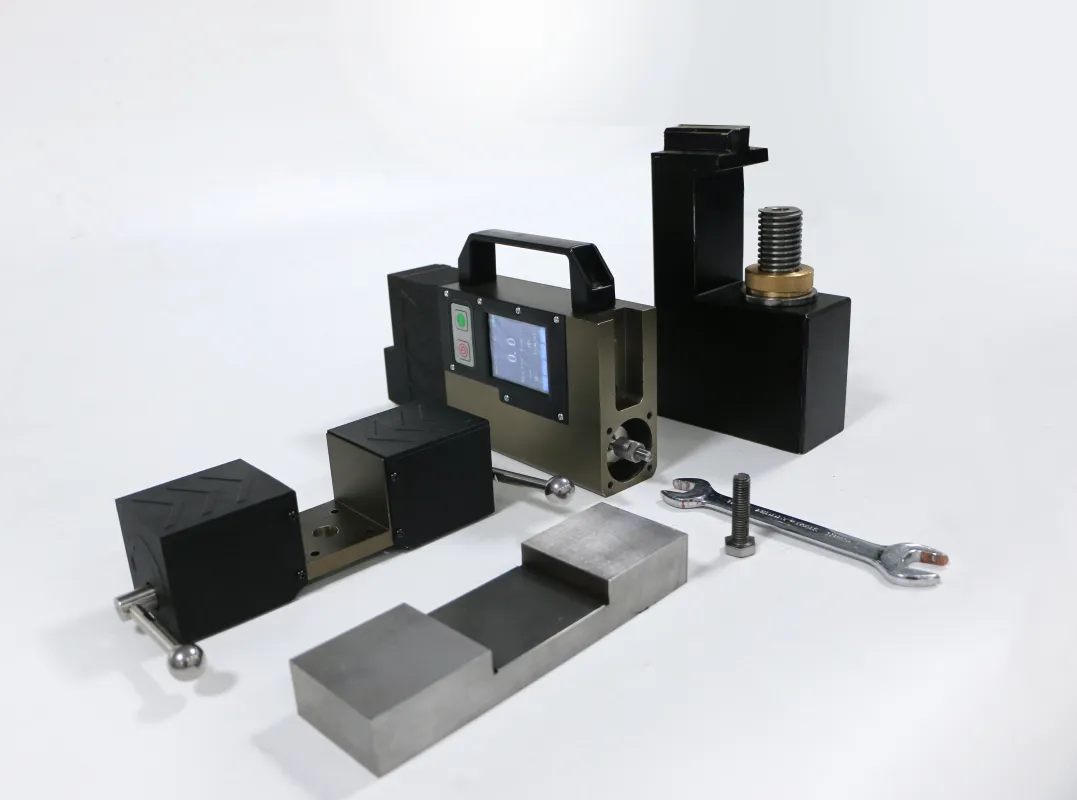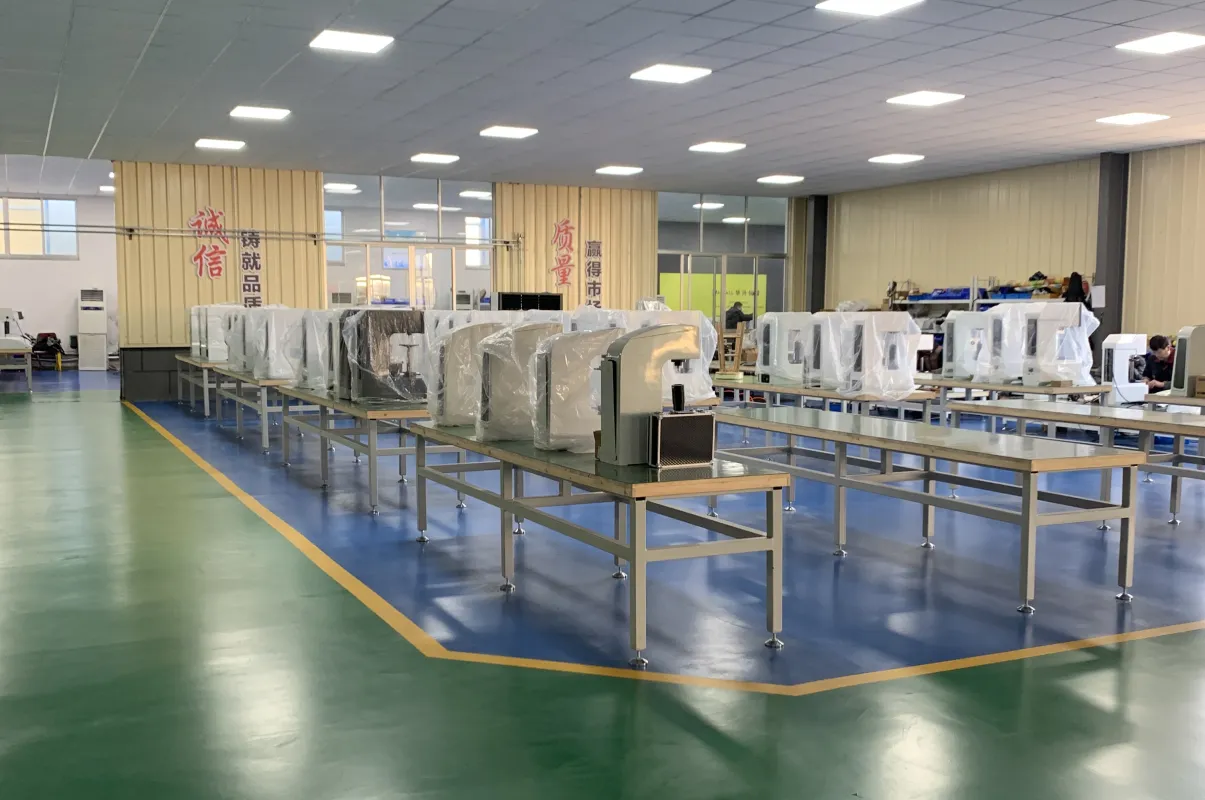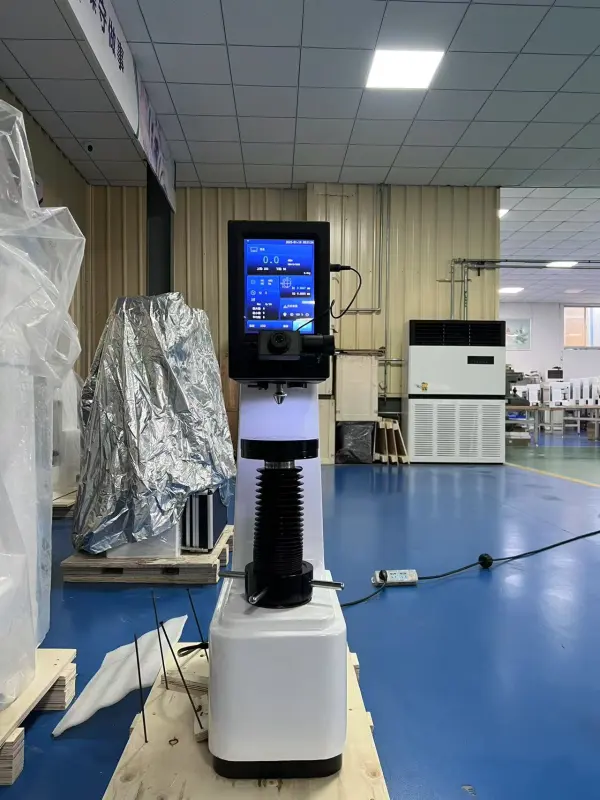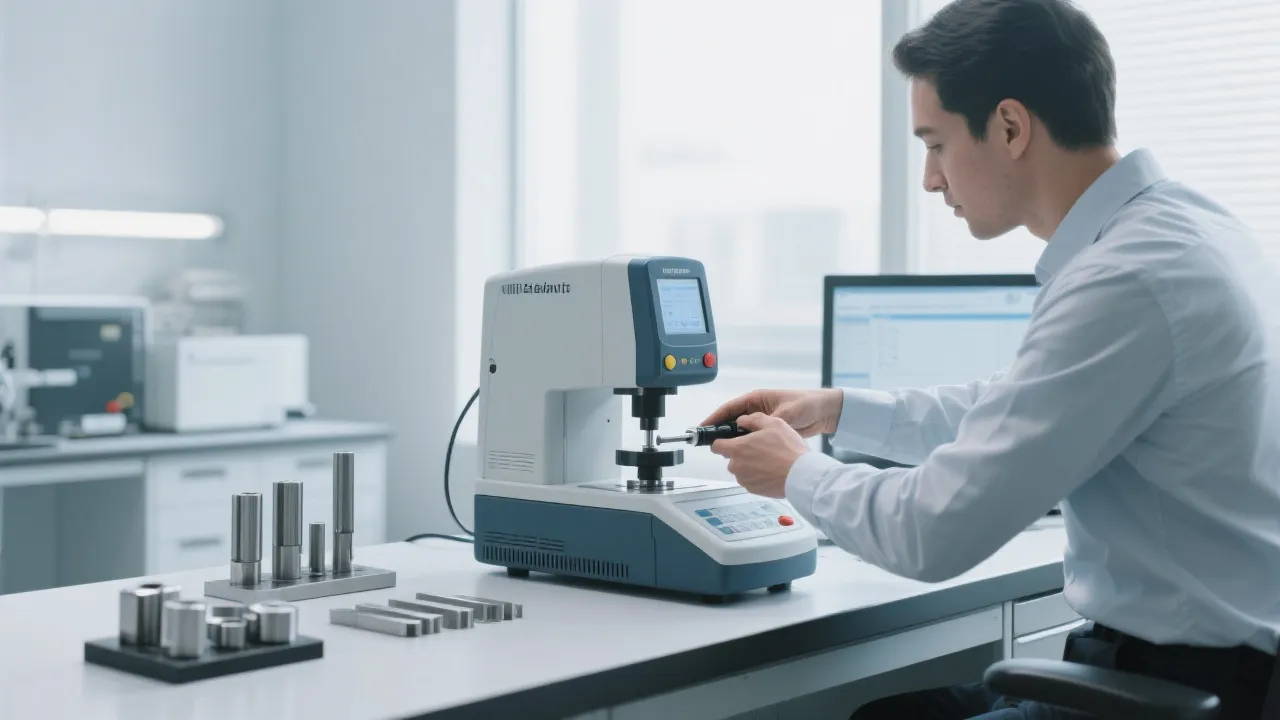
In industrial quality assurance, precision and reliability are non-negotiable — especially when measuring metal hardness. Your HB-3000C Electronic Brinell Hardness Tester is designed to deliver both, harnessing advanced technology such as an electronic automatic loading system to offer safer, more convenient operation. But to unlock its full potential, mastering proper usage and maintenance is key. This guide walks you through essential tips and actionable steps to elevate your testing accuracy, extend equipment life, and simplify troubleshooting.
The HB-3000C thrives in multiple industrial environments, notably in foundry quality control and mechanical machining precision checks. For example, in cast metal production, hardness consistency across batches critically impacts product durability. Employing your tester helps you detect subtle disparities in alloy hardness, safeguarding against structural weaknesses.
Likewise, in machining workshops, verifying surface hardness after treatments such as heat treatment ensures component longevity under stress. Your HB-3000C’s precise measurement capabilities empower your team to maintain stringent quality thresholds, reducing downtime caused by rework or failures.
Keeping your hardness tester in peak condition means understanding and adhering to a structured maintenance schedule. Here is a simple maintenance cycle table to guide your team:
| Maintenance Task | Frequency | Key Notes |
|---|---|---|
| Cleaning electronic automatic loading system components | Monthly | Use lint-free cloth and isopropyl alcohol; avoid water contact |
| Lubrication of mechanical moving parts | Every 3 months | Apply manufacturer-approved grease only |
| Sensor calibration verification | Quarterly | Use standard test blocks in controlled environment |
| Environmental condition checks (temperature/humidity) | Weekly | Maintain 20–25°C & 40–60% humidity for stable readings |
Consistent maintenance not only preserves testing precision but also mitigates the risk of unexpected breakdowns. Remember, the electronic automatic loading system’s smooth operation depends on clean contacts and proper lubrication, so a proactive approach pays dividends.
Encountering issues like unclear indentations or irregular loading? Use the following quick diagnosis and remedies to resolve common faults:
“Regular sensor calibration paired with stable environmental conditions can increase measurement consistency by over 15%, a key factor in trustworthy hardness testing.” — Industry Expert, Materials Testing Institute
Your investment in the HB-3000C is supported by professional installation guidance and tailored operator training. Our team at Laizhou Jincheng ensures seamless setup and hands-on coaching so your personnel can confidently handle daily operations and maintenance, minimizing errors and maximizing uptime.
Do you have specific challenges or questions while operating your HB-3000C? We encourage you to share your experience and queries through comments – your feedback helps us continually improve the solutions we provide.
Discover How HB-3000C Enhances Your Hardness Testing Today HR-150A Rockwell hardness tester
manual Rockwell hardness tester usage guide
hardness testing operation procedure
industrial on-site hardness measurement
global hardness tester after-sales service
Electronic Brinell Hardness Tester Calibration
Standard Hardness Blocks
ISO 6506
JIS Z2243
Hardness Tester Maintenance
Brinell hardness testing
black metal hardness measurement
non-ferrous metal indentation deformation
hardness test parameter adjustment
ASTM E10 standard
Vickers hardness testing
Rockwell hardness testing
hardness testing methods
manufacturing hardness measurement
industrial hardness testing equipment
Brinell hardness tester
Rockwell hardness tester
hardness testing methods
material hardness comparison
HR-150A Rockwell hardness tester
manual Rockwell hardness tester usage guide
hardness testing operation procedure
industrial on-site hardness measurement
global hardness tester after-sales service
Electronic Brinell Hardness Tester Calibration
Standard Hardness Blocks
ISO 6506
JIS Z2243
Hardness Tester Maintenance
Brinell hardness testing
black metal hardness measurement
non-ferrous metal indentation deformation
hardness test parameter adjustment
ASTM E10 standard
Vickers hardness testing
Rockwell hardness testing
hardness testing methods
manufacturing hardness measurement
industrial hardness testing equipment
Brinell hardness tester
Rockwell hardness tester
hardness testing methods
material hardness comparison