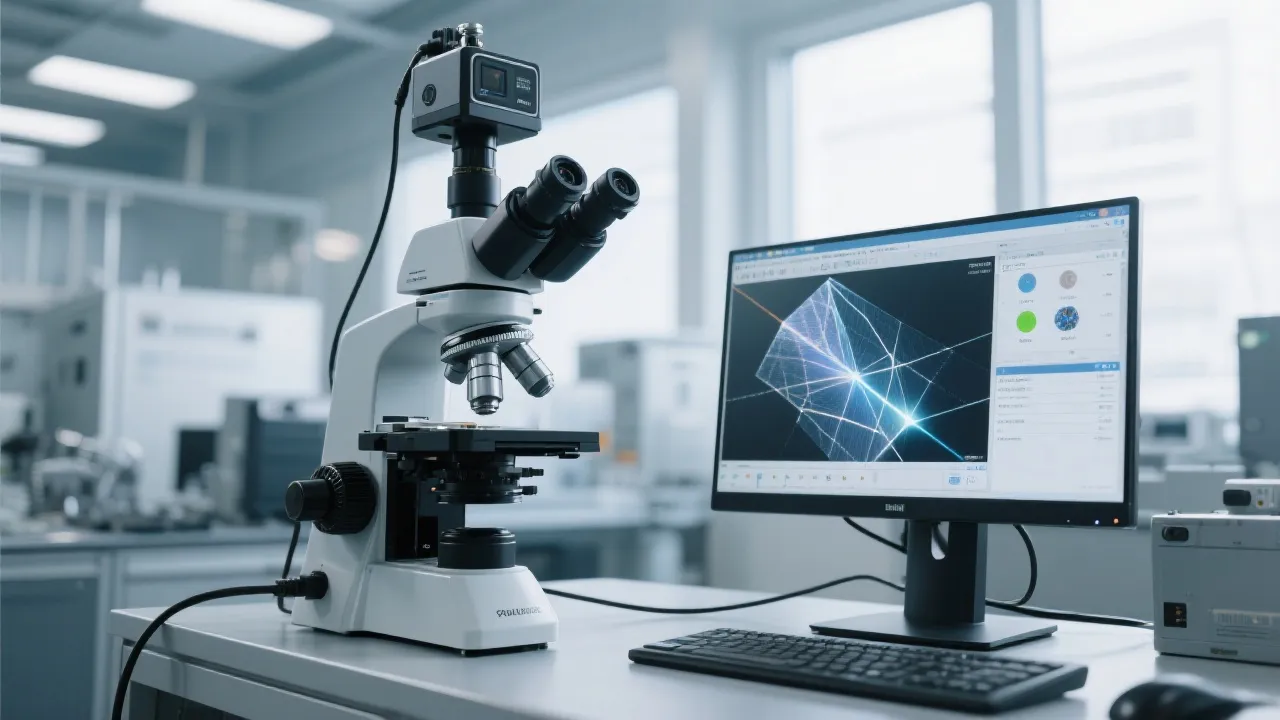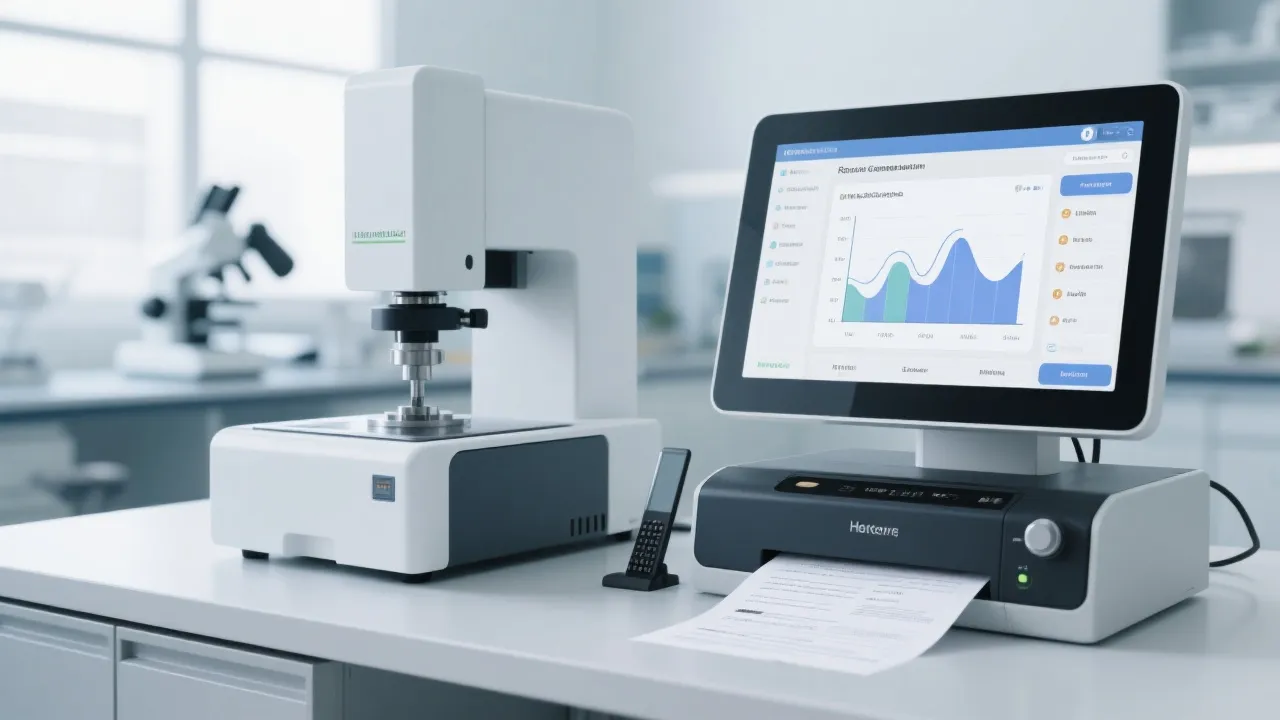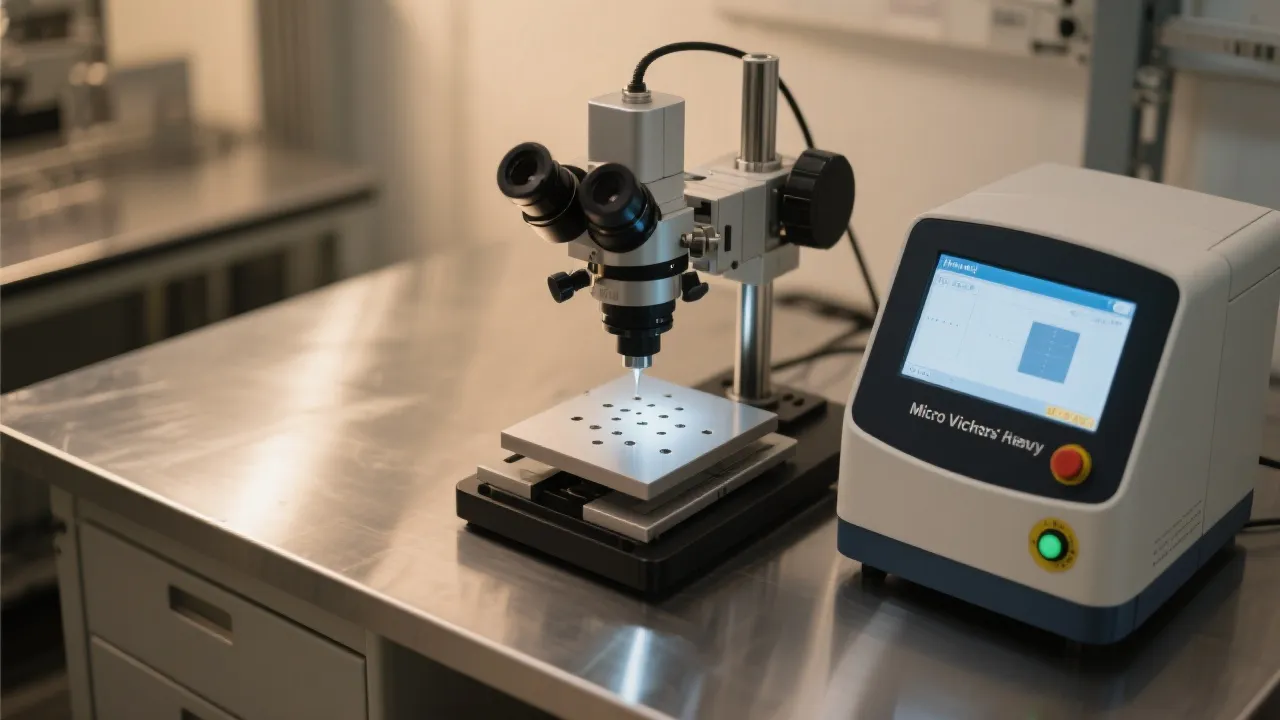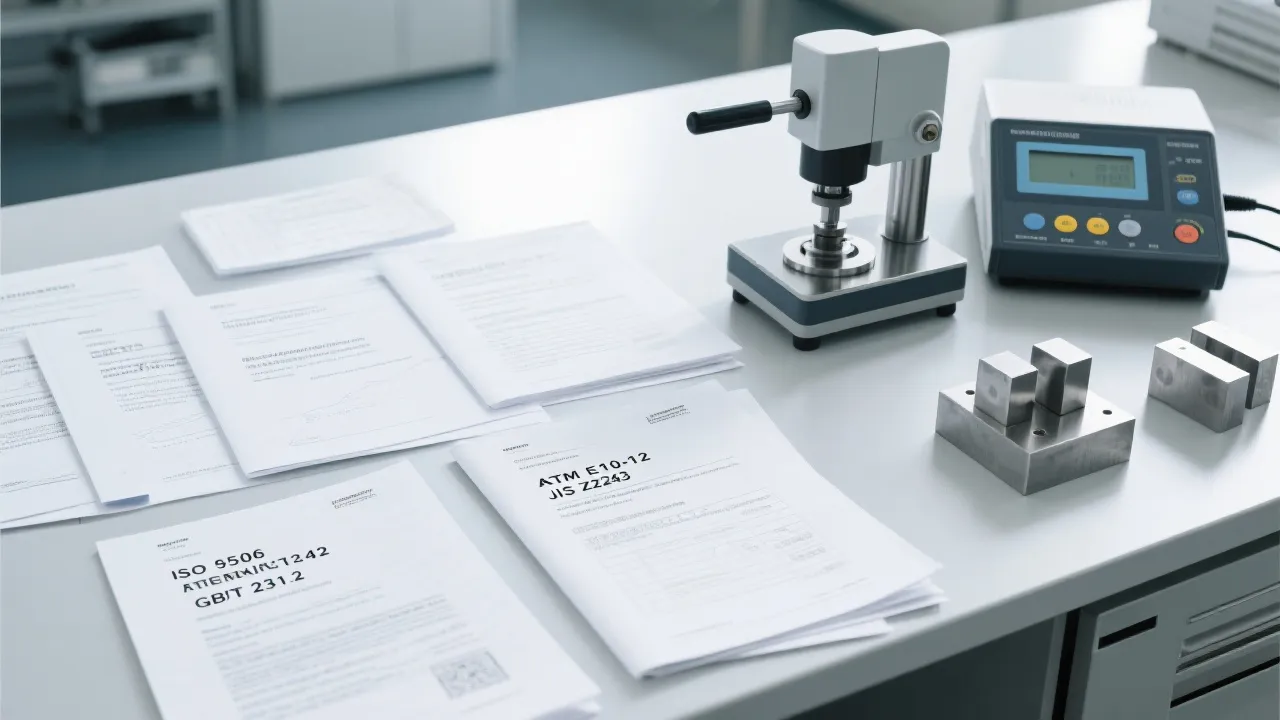
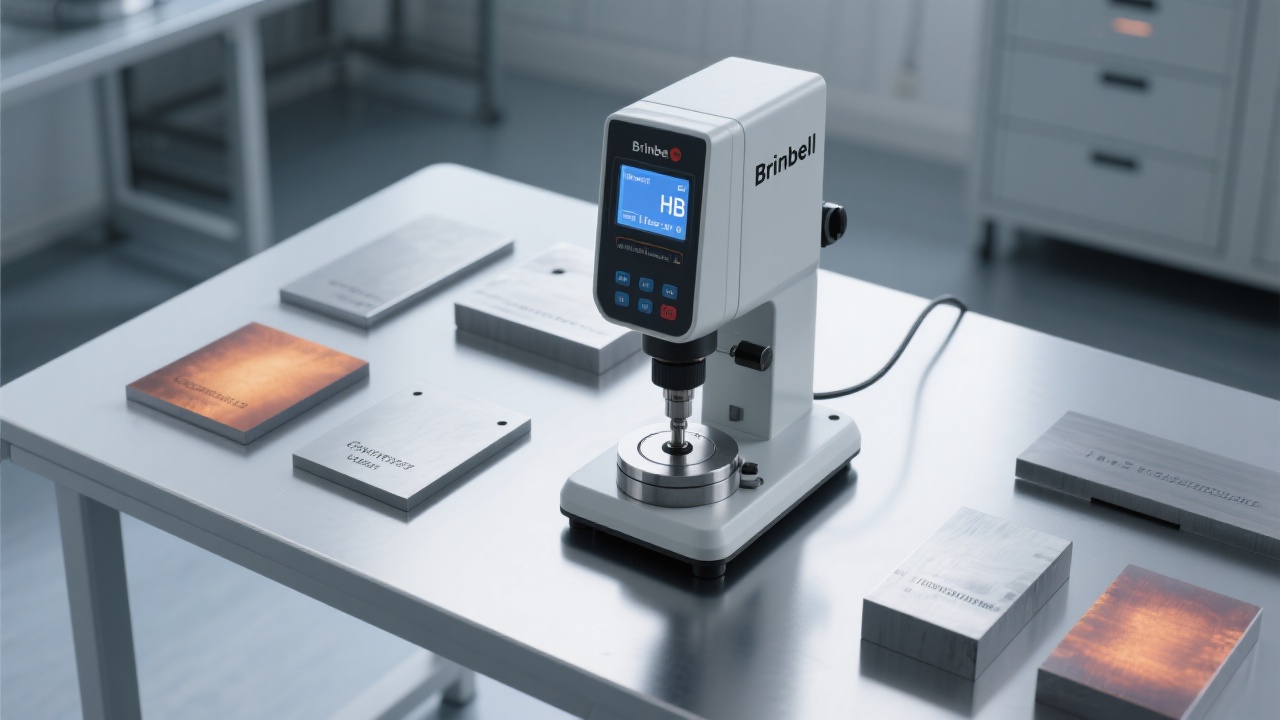
Whether you’re engaged in advanced materials research or industrial quality control, mastering precise hardness testing is paramount. The JinCheng brand ensures reliability and international standards compliance with its advanced 12MHBS-3000ZD fully automatic Brinell hardness tester. This guide navigates you through the entire testing workflow—from initial startup to detailed report generation—helping you enhance efficiency and ensure accuracy in every hardness measurement.
Begin by powering on the device and verifying its self-check diagnostics. Next, place your prepared sample precisely on the worktable, ensuring firm contact without deformation. The automatic turret system intelligently switches between indentation heads and objective lenses to match your testing parameters, allowing smooth transitions between various test forces.
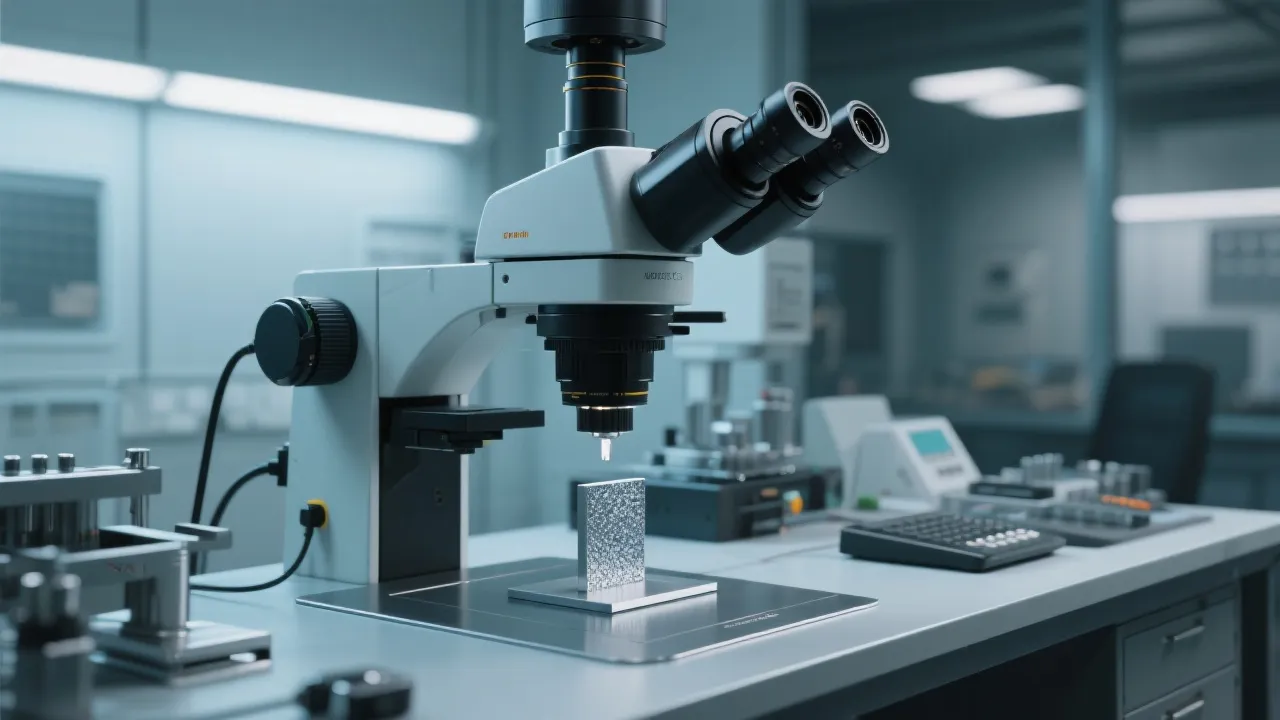
The integrated digital imaging system captures high-resolution indentation images, enabling precise Brinell hardness number (BHN) calculations through advanced software algorithms. You can effortlessly review indentation sizes and their exact location, enhancing test repeatability—even for complex metallurgical or composite samples.
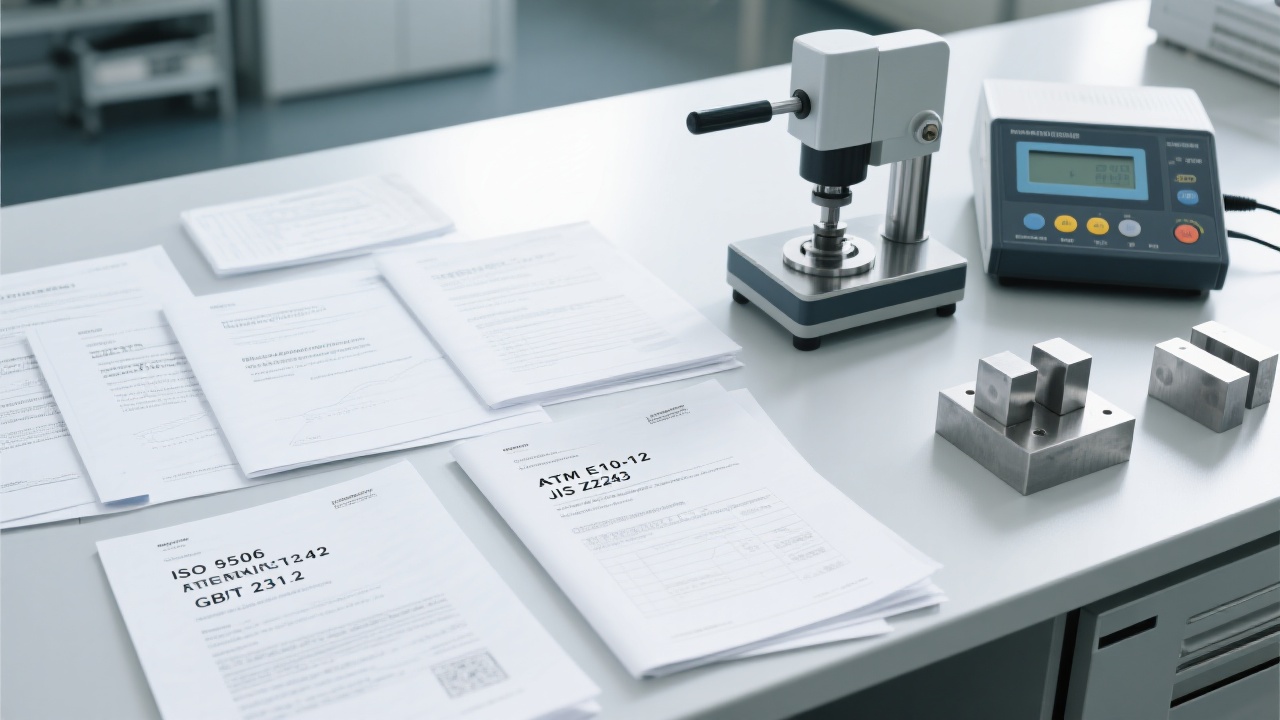
To maintain the high-precision capabilities that the JinCheng 12MHBS-3000ZD offers, adhere to a consistent cleaning and calibration routine:
Proper upkeep not only extends equipment lifespan but also stabilizes testing results, essential for quality audits and certifications in regulated industries.
Even the most advanced instruments occasionally encounter challenges. Understanding common failure points is crucial:
Follow a systematic check-up routine to identify and resolve these issues promptly, minimizing downtime and maintaining workflow continuity.
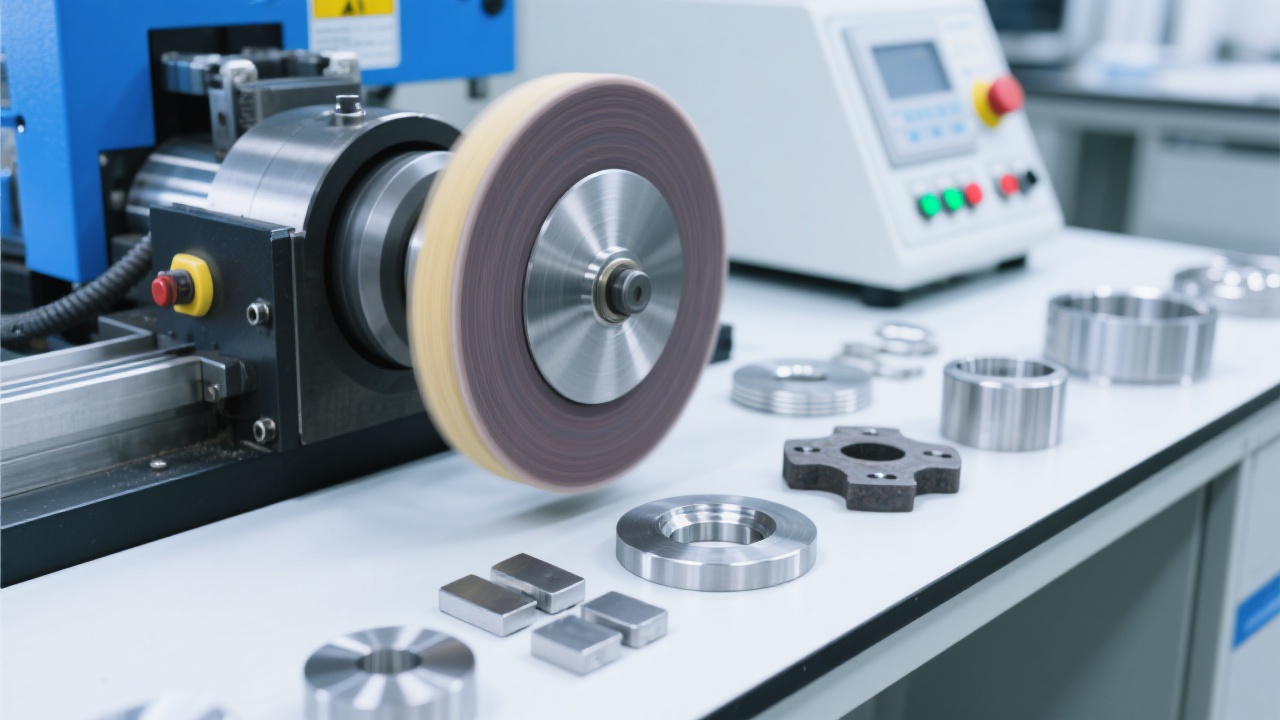
Drawing from practical applications in top-tier research labs and manufacturing plants, consider the following strategies:
Thanks to the JinCheng brand’s commitment to user-centric design, these optimizations support your operational productivity and quality assurance standards.
The 12MHBS-3000ZD fully automatic Brinell hardness tester sees diverse applications:
These examples underscore the instrument’s versatility and the confidence specialists place in the JinCheng standard for critical hardness assessments.
 electronic Brinell hardness tester maintenance
industrial hardness testing guide
hardness tester troubleshooting
HB-3000C usage tips
metal hardness measurement
metallographic sample preparation best practices
material testing efficiency improvement
automated metallographic preparation machine
LCD control sample preparation
Brinell hardness testing
black metal hardness measurement
non-ferrous metal indentation deformation
hardness test parameter adjustment
ASTM E10 standard
Automatic Brinell hardness tester operation
Hardness tester maintenance skills
Brinell hardness test accuracy
Digital imaging hardness tester
Jincheng 12MHBS - 3000ZD
hardness testing accuracy
digital Rockwell hardness tester HRS-150
reduce human error in hardness testing
Rockwell hardness test calibration GB/T 230.2-2018
automated test force loading
electronic Brinell hardness tester maintenance
industrial hardness testing guide
hardness tester troubleshooting
HB-3000C usage tips
metal hardness measurement
metallographic sample preparation best practices
material testing efficiency improvement
automated metallographic preparation machine
LCD control sample preparation
Brinell hardness testing
black metal hardness measurement
non-ferrous metal indentation deformation
hardness test parameter adjustment
ASTM E10 standard
Automatic Brinell hardness tester operation
Hardness tester maintenance skills
Brinell hardness test accuracy
Digital imaging hardness tester
Jincheng 12MHBS - 3000ZD
hardness testing accuracy
digital Rockwell hardness tester HRS-150
reduce human error in hardness testing
Rockwell hardness test calibration GB/T 230.2-2018
automated test force loading


Hardness-TesterHV-1000A-1.jpg?x-oss-process=image/resize,h_800,m_lfit/format,webp)


Hardness-TesterHVS-5103050A-7.jpg?x-oss-process=image/resize,h_800,m_lfit/format,webp)