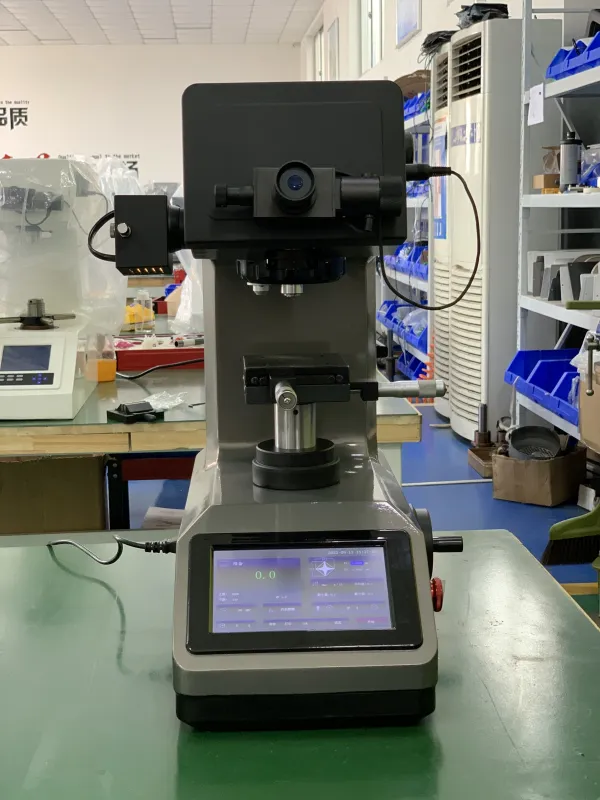
Machining & heat treatment checks
You can perform line-side verification after quenching/tempering to confirm the process window is stable. Faster readings and printed records help reduce “wait time” between furnace output and disposition decisions.

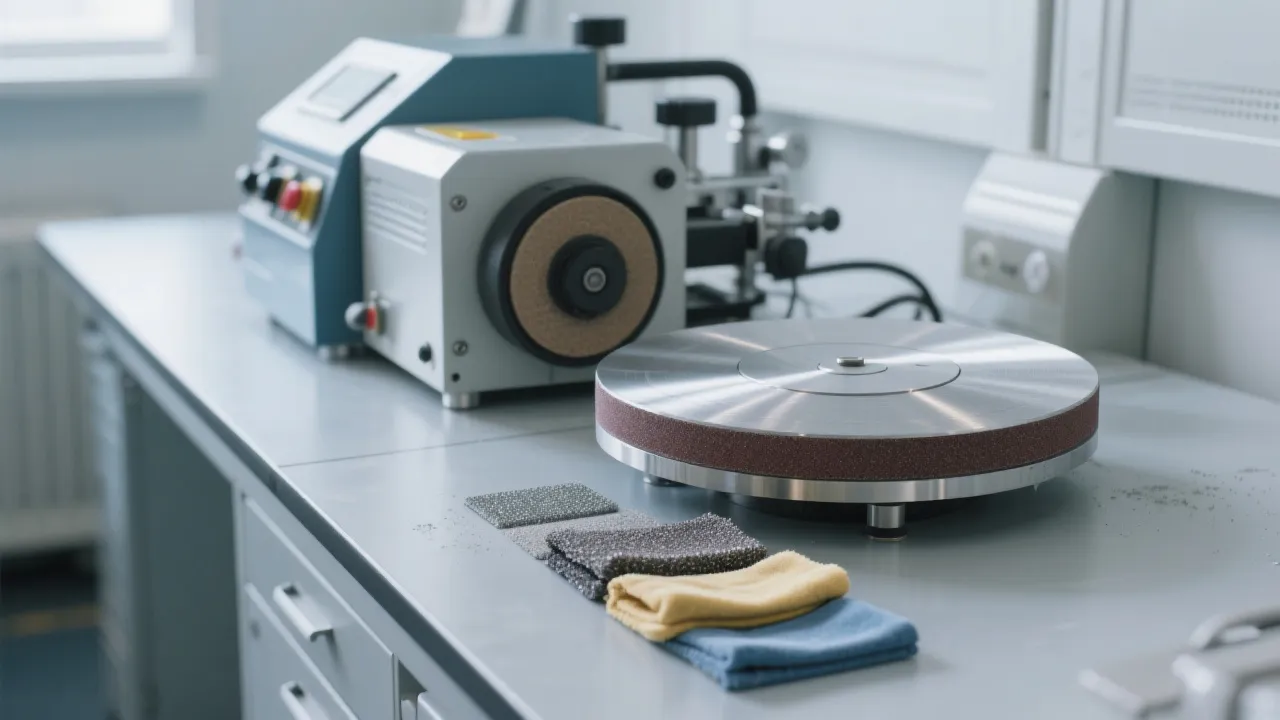
In real production, hardness testing often sits at the exact intersection of quality control and delivery speed. Yet many plants still struggle with inconsistent results between shifts, operators, or batches—especially when manual force loading, unclear reading, or weak traceability is involved. If your goal is to make results repeatable, auditable, and comparable, you’ll want to focus on one principle: “Precise measurement should not depend on experience—every test must be reproducible.”
Most hardness deviations are not caused by “bad material,” but by the testing chain itself. In workshops and labs, the most common error sources typically include:
If you’re auditing results against standards (or customer specs), these “small” variances can snowball into disputes, rework, or rejected lots—especially when multiple sites or suppliers must align on one hardness baseline.
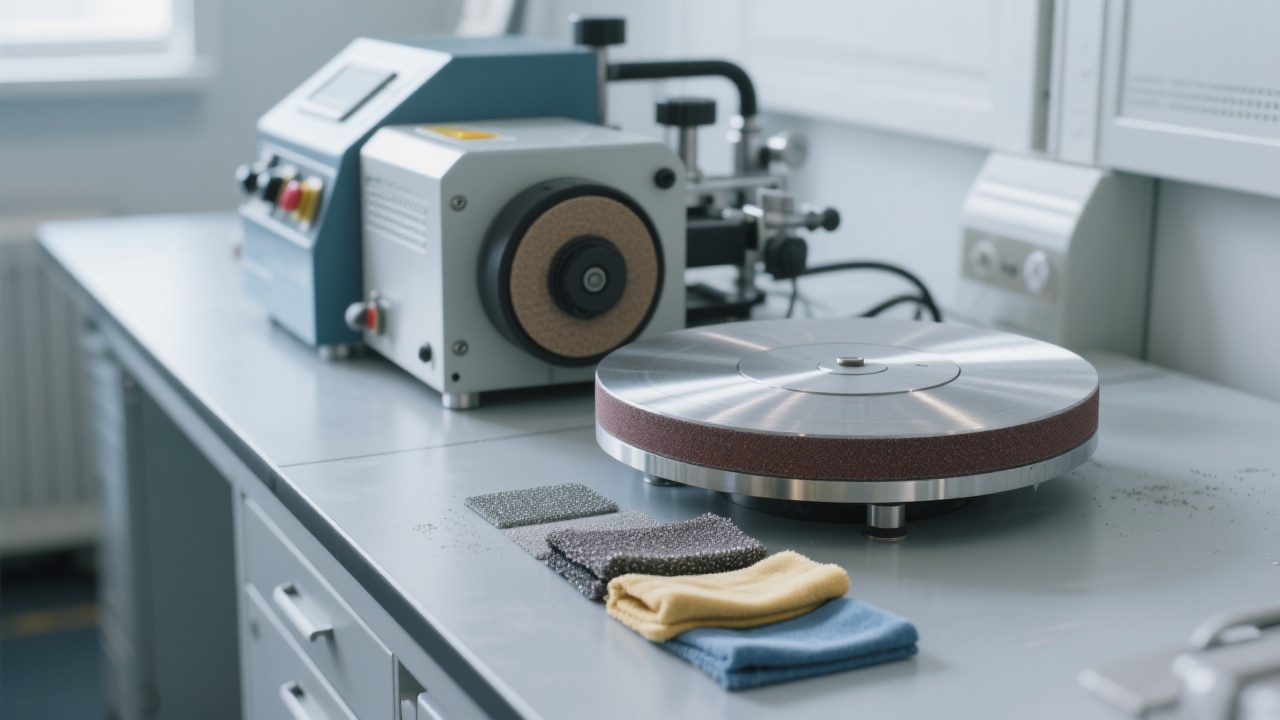
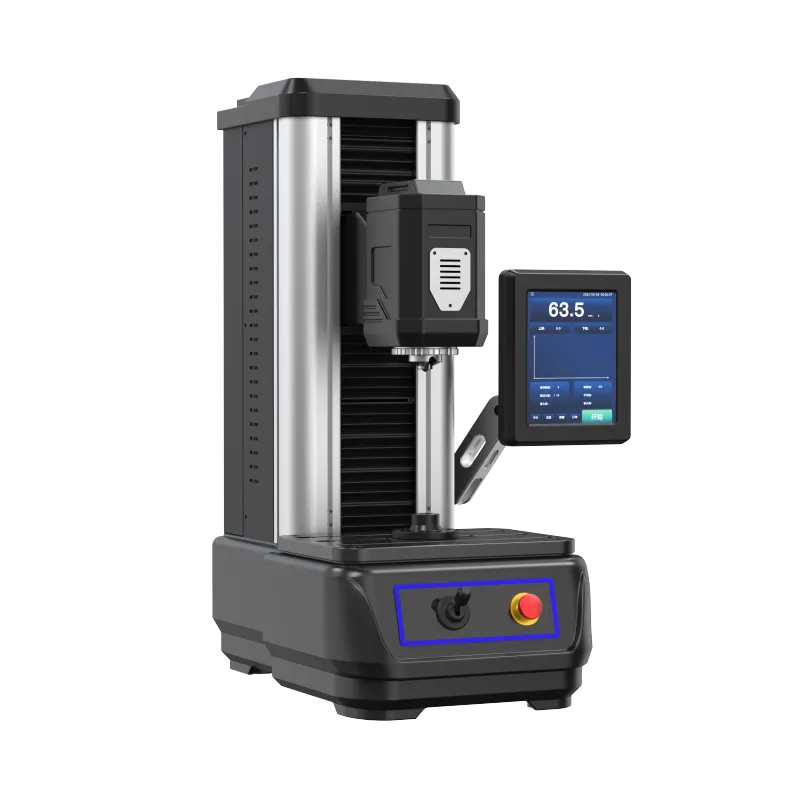
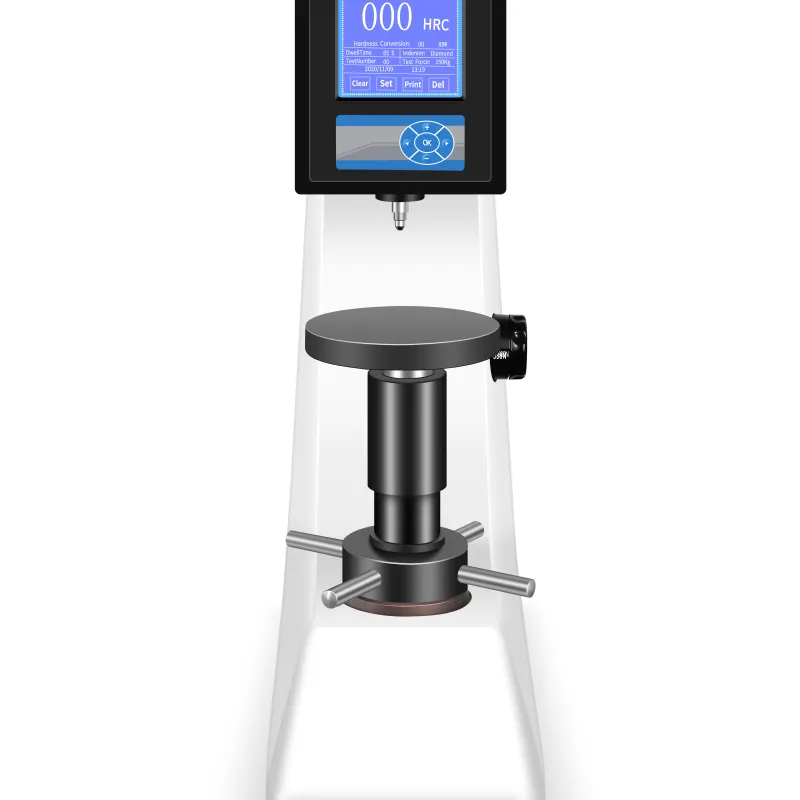
When you upgrade from manual loading to motorized automatic force loading—as used in the digital Rockwell hardness tester HRS-150—you’re essentially standardizing the “most error-prone” step of the test: how force is applied and held. In many production settings, a stable loading speed and consistent dwell time are the difference between “looks fine” and “passes consistently.”
In practical terms, many factories see internal verification spread tighten after moving to standardized loading—often by 20%–40% in repeat tests on the same reference block (your actual results depend on material, scale, environment, and procedure). The key benefit is not a “magic number,” but a measurement culture: process first, operator second. Or as your QC team might say: “Say goodbye to manual error—let smart instruments defend your quality baseline.”
Accuracy is not only about force. It’s also about how the indentation depth signal is captured, converted, filtered, and displayed. A grating sensor paired with a 32-bit ARM controller supports stable sampling and faster signal processing, which helps reduce “reading uncertainty” and improves real-time responsiveness on a digital display.
For high-throughput inspection (e.g., machining lines checking heat-treated parts), this consistency matters more than people expect. Even a 1–2 HRC swing near a customer limit can trigger re-inspection or containment—so tighter measurement discipline quickly pays back in saved time.
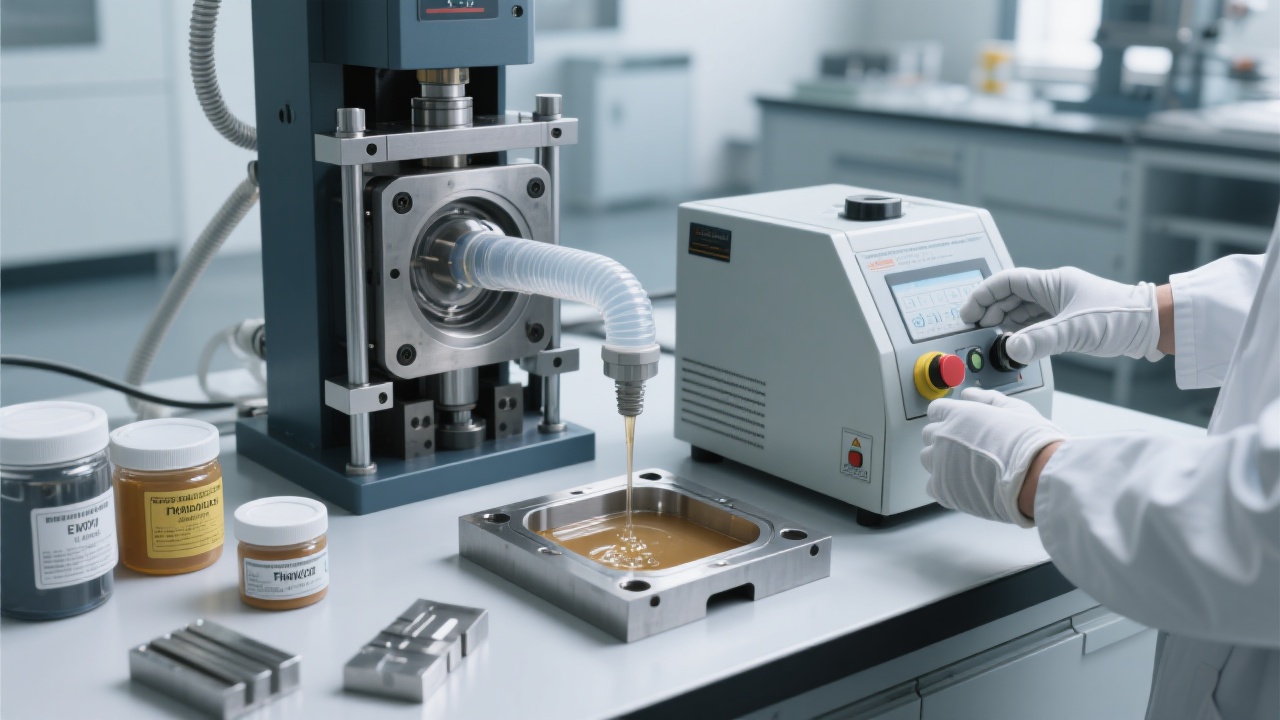
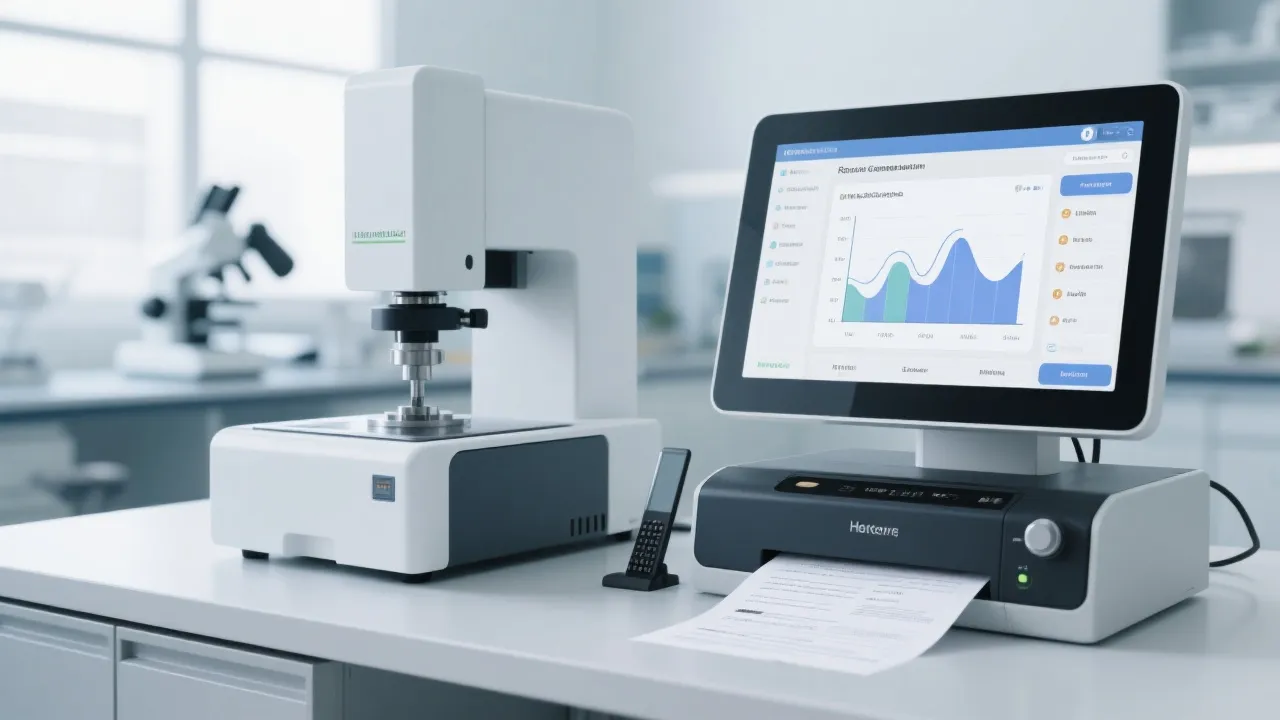
If you’ve ever tried to reconstruct a quality record after the fact, you already know: the test itself is only half the job. The other half is traceability. A built-in printer helps convert “numbers on a screen” into controlled records that support audits, customer claims, and internal CAPA workflows.
In many factories, recording mistakes alone can account for 5%–10% of QC rework time (miswritten values, missing sample IDs, or incomplete logs). Printing doesn’t just store data—it standardizes behavior.
To keep accuracy stable over the long term, you need a calibration routine that is predictable, documented, and repeatable. In China, Rockwell hardness verification and calibration workflows commonly reference GB/T 230.2-2018. In international environments, you may also align with equivalent methods used in widely recognized standards (depending on customer or lab requirements).
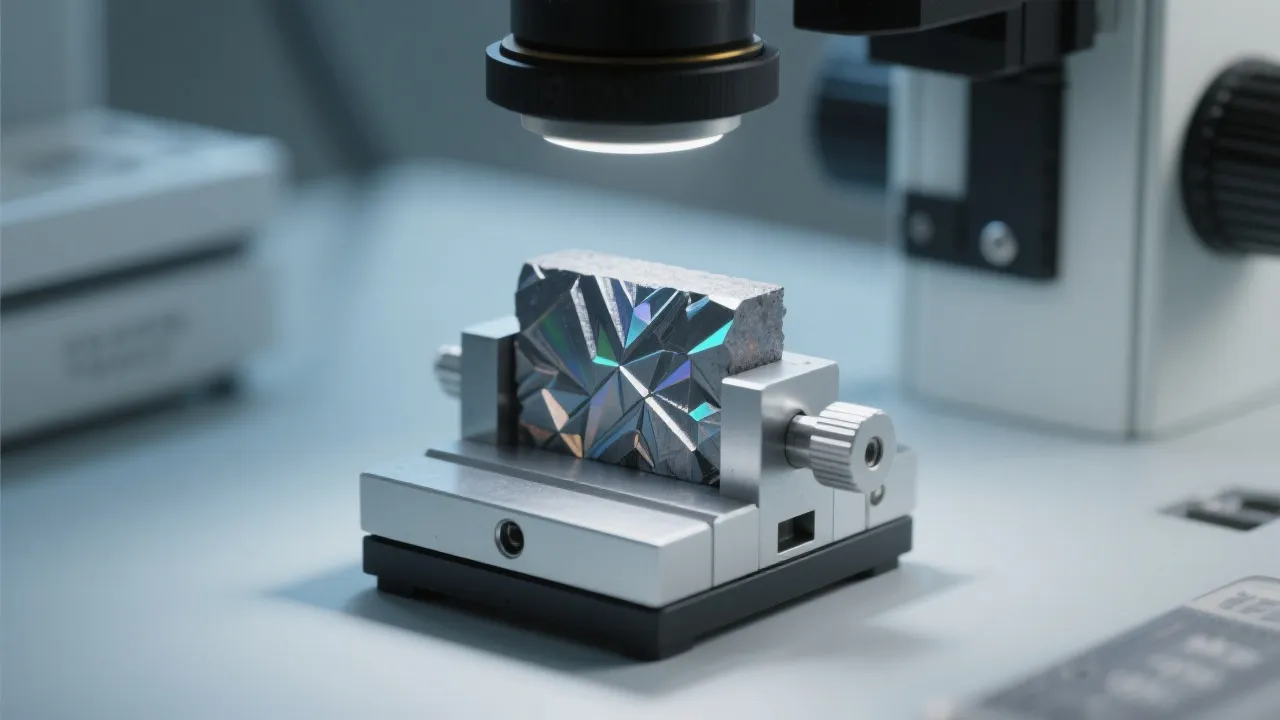
Don’t overlook the “boring” basics: stable bench, vibration control, clean contact surfaces, and correct sample support. If you’re testing thin or curved parts, inconsistent seating can easily become your biggest hidden variable—bigger than the instrument itself.
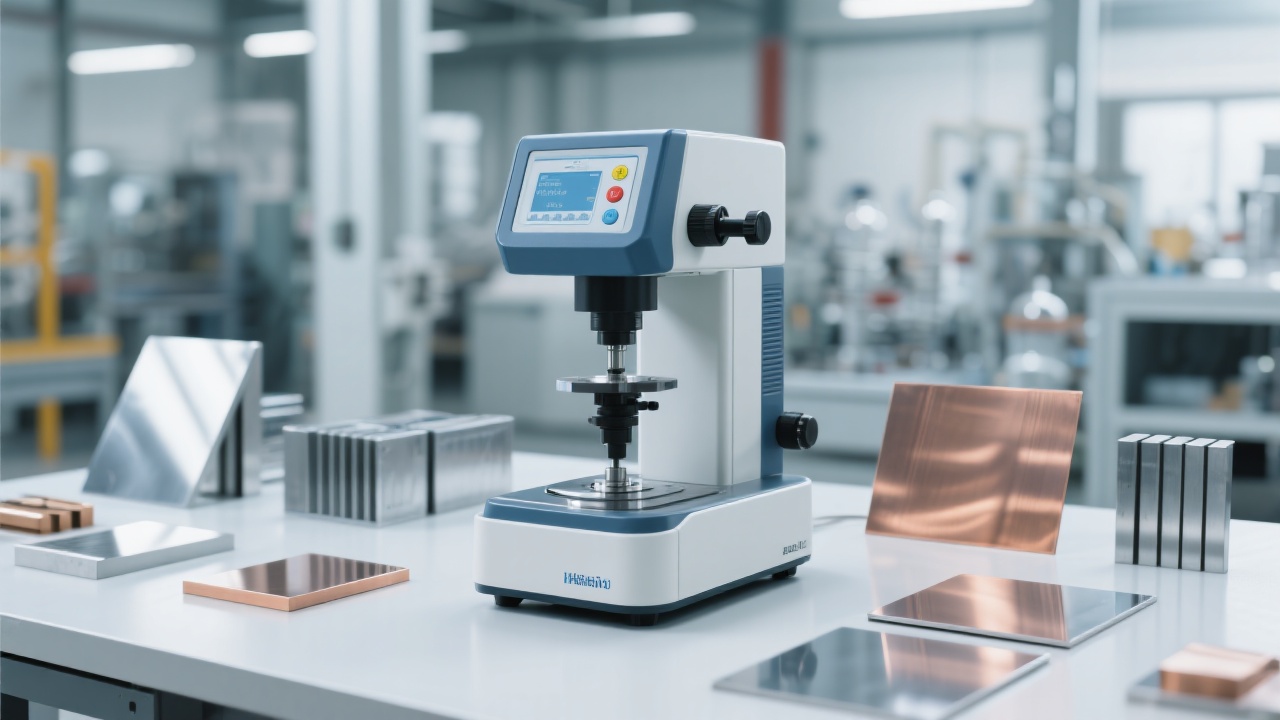
If you’re wondering whether these features are “nice to have” or truly operational, look at how hardness testing is used in everyday manufacturing. The value of a digital Rockwell hardness tester like HRS-150 becomes obvious when your workflow requires both speed and consistency.
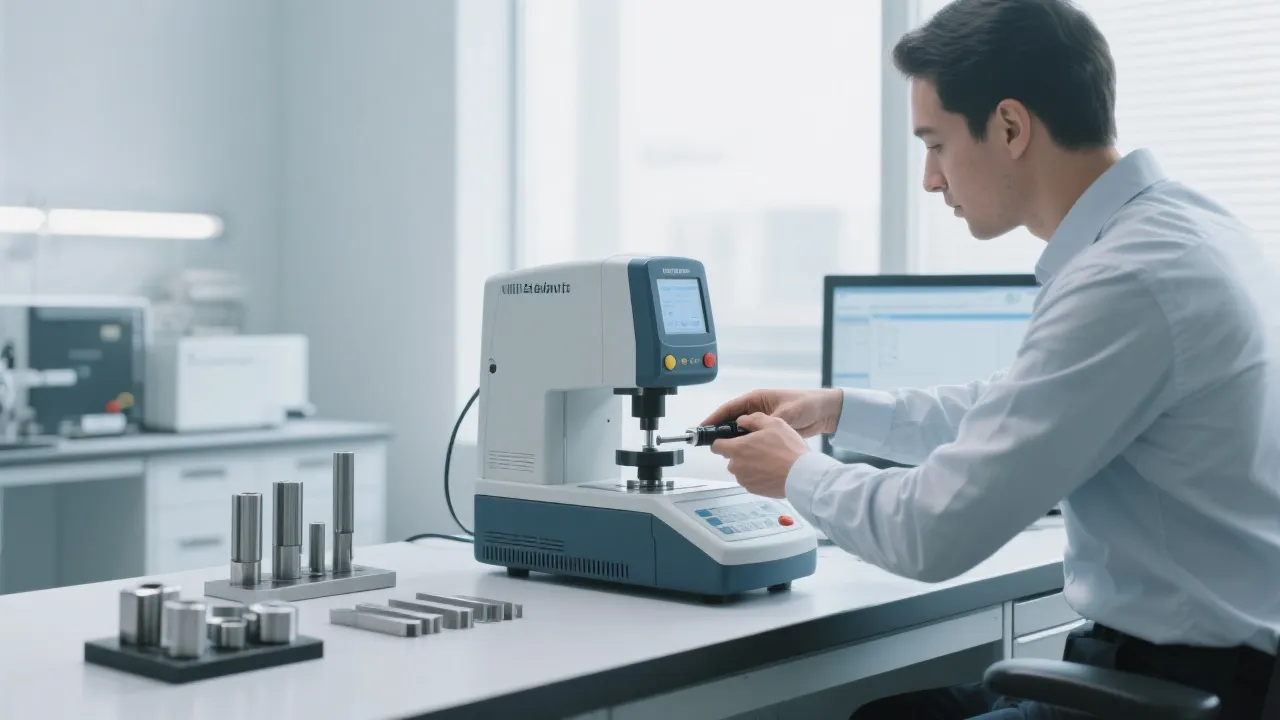
You can perform line-side verification after quenching/tempering to confirm the process window is stable. Faster readings and printed records help reduce “wait time” between furnace output and disposition decisions.
When multiple technicians share one tester, standardized force loading and digital acquisition reduce person-to-person spread, supporting more defensible reports for internal release and customer audits.
For suppliers with varying heat-treat capability, Rockwell screening catches out-of-spec lots early. Printed results and consistent procedures make supplier conversations faster and more fact-based.
If your current process depends on “the senior operator’s feel,” you’re one resignation away from instability. This is exactly where digital, standardized hardness testing pays off—quietly, day after day.
If you’re upgrading from manual testing or trying to tighten your QC consistency, the HRS-150 digital Rockwell hardness tester is designed to reduce operator-dependent variability through motorized force loading, high-precision data acquisition, and built-in print traceability.
Explore HRS-150 Digital Rockwell Hardness Tester Specs & Application SupportRecommended if you need stronger repeatability, cleaner records, and an easier-to-standardize hardness testing workflow.
 soft metal Brinell hardness tester
Brinell hardness load selection
hardness tester precision control
soft metal hardness testing techniques
automated hardness testing
Vickers hardness tester small sample measurement
high precision hardness testing equipment
HVS series hardness tester
brittle material hardness measurement
hardness testing international standards
Electronic Brinell Hardness Tester Calibration
Standard Hardness Blocks
ISO 6506
JIS Z2243
Hardness Tester Maintenance
Vickers hardness testing
metal material inspection
indentation image clarity
closed-loop loading system
automatic turret switching
Fully automatic Brinell hardness tester operation
Hardness tester maintenance skills
Brinell hardness test accuracy guarantee
Digital imaging hardness tester maintenance
Automatic turret hardness tester fault troubleshooting
soft metal Brinell hardness tester
Brinell hardness load selection
hardness tester precision control
soft metal hardness testing techniques
automated hardness testing
Vickers hardness tester small sample measurement
high precision hardness testing equipment
HVS series hardness tester
brittle material hardness measurement
hardness testing international standards
Electronic Brinell Hardness Tester Calibration
Standard Hardness Blocks
ISO 6506
JIS Z2243
Hardness Tester Maintenance
Vickers hardness testing
metal material inspection
indentation image clarity
closed-loop loading system
automatic turret switching
Fully automatic Brinell hardness tester operation
Hardness tester maintenance skills
Brinell hardness test accuracy guarantee
Digital imaging hardness tester maintenance
Automatic turret hardness tester fault troubleshooting