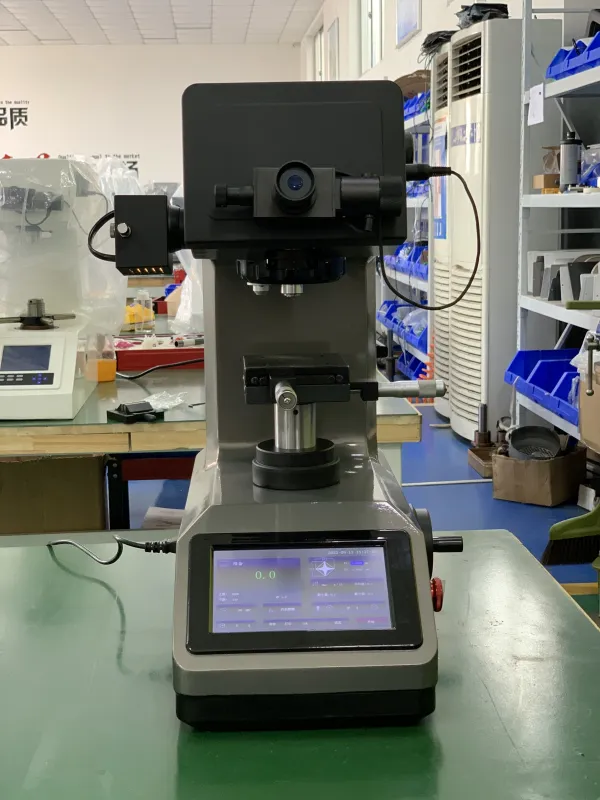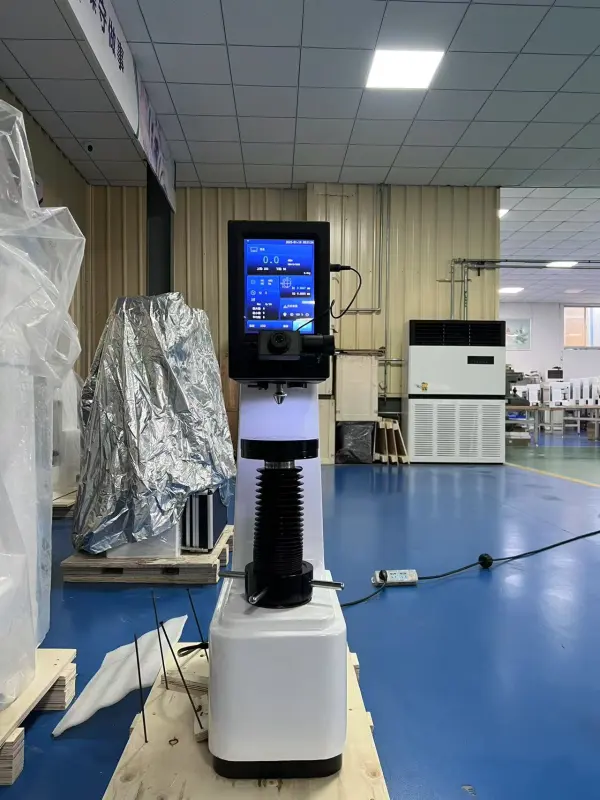
In the dynamic environments of mechanical manufacturing, shipbuilding, power generation, and third-party inspection, on-site hardness testing remains a critical quality control step. However, field conditions introduce variables that can compromise measurement accuracy—from uneven surfaces and vibrations to operator handling inconsistencies. Having personally worked with a range of hardness testers over the years, I want to share insights on how magnetic base Rockwell hardness testers address these persistent challenges by significantly enhancing stability and repeatability during mobile testing.
Hardness readings in the field often suffer due to:
These error factors can inflate measurement deviation by up to 15-20%, which in turn affects the reliability of material acceptance tests and downstream manufacturing decisions.
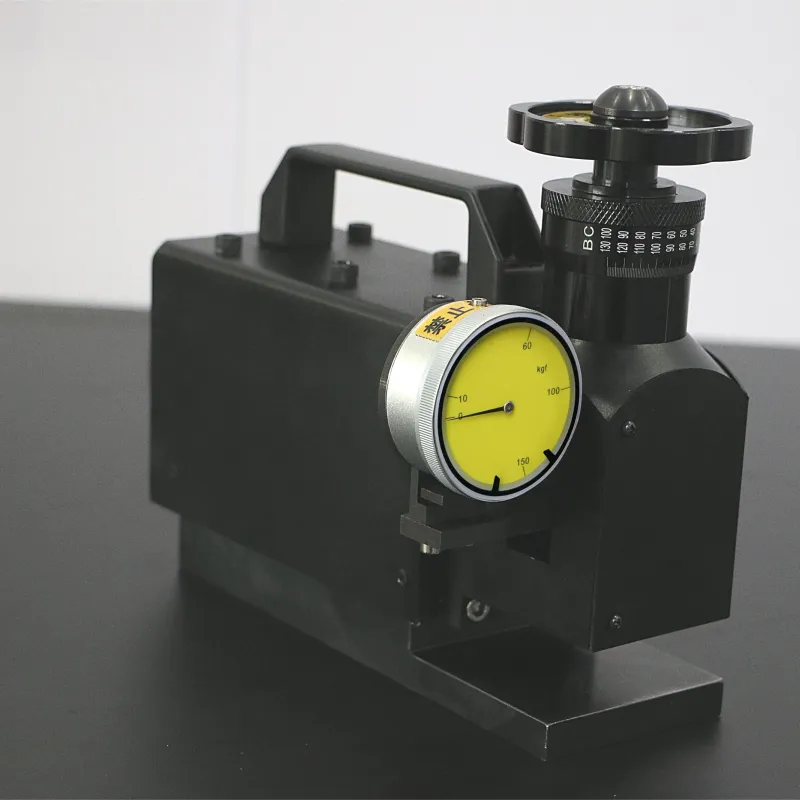
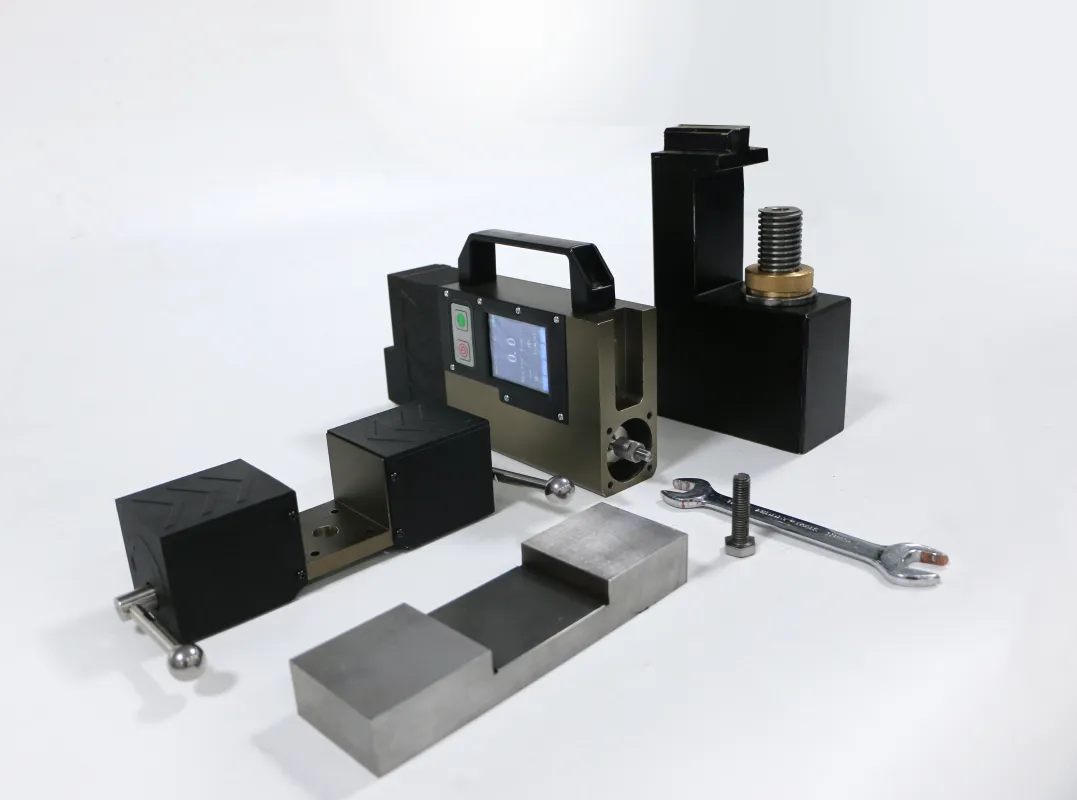
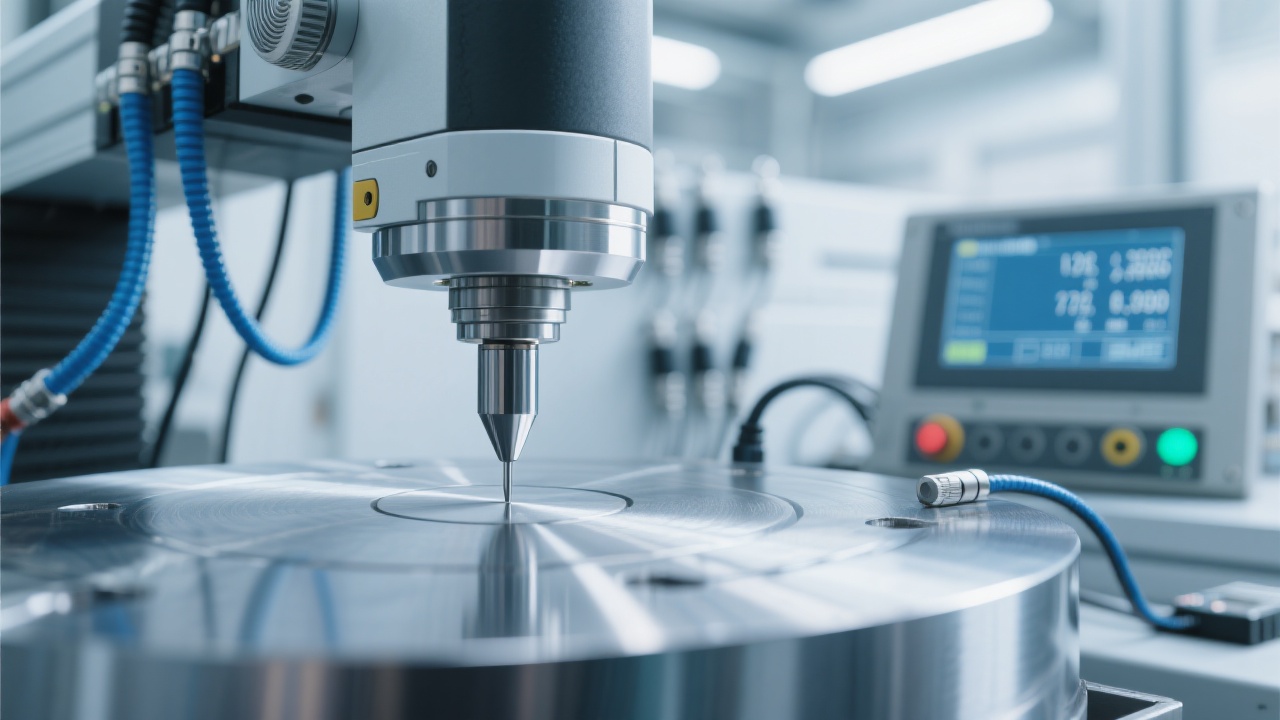
Our magnetic base Rockwell hardness testers incorporate a high-strength magnet housed within a precision-engineered base design. This magnetic adhesion performs three critical functions:
"Switching to magnetic base testers has significantly cut down our repeated measurements by nearly 35%, improving both speed and confidence in our hardness data." –
Mark T., Quality Control Manager, Maritime Fabrication
| Parameter | Traditional Portable Tester | Magnetic Base Tester |
|---|---|---|
| Average Measurement Variation | ±8% | ±3% |
| Time per Measurement | 3 minutes | 2 minutes |
| Operator Fatigue | High | Low |
| Usability on Inclined/Vertical Surfaces | Limited | Excellent |
Beyond the magnetic base itself, technique plays a vital role in achieving precise hardness measurements. Here are the best practices we recommend:
We also suggest regular calibration aligned with manufacturer recommendations to reduce drift caused by field conditions such as temperature fluctuations or surface oxidation.
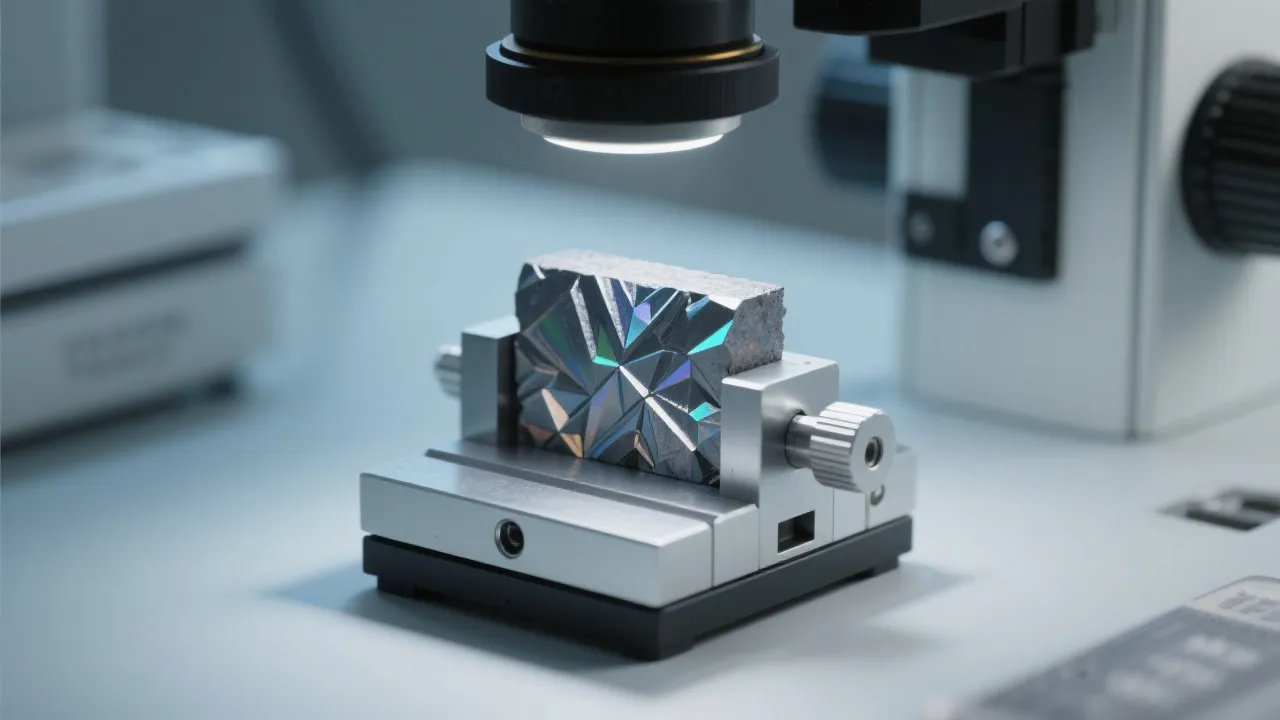
We deployed magnetic base hardness testers at a leading shipyard to address inconsistent readings during weld inspections. Over a three-month trial:
These improvements translated into measurable quality control gains, reducing costly rework requirements.
We encourage all technical professionals exploring on-site hardness testing solutions to share challenges or seek clarifications. Our interactive Q&A section on our website ensures your concerns receive detailed, expert attention — your feedback informs our continuous product innovation.
To ensure a deeper understanding, we also provide step-by-step instructional videos demonstrating optimal device handling and calibration procedures.
 electronic Brinell hardness tester maintenance
industrial hardness testing guide
hardness tester troubleshooting
HB-3000C usage tips
metal hardness measurement
automatic Rockwell hardness tester
international hardness testing standards
hardness tester after-sales service
high-precision hardness measurement
operation training course
Vickers hardness testing
Rockwell hardness testing
hardness testing methods
manufacturing hardness measurement
industrial hardness testing equipment
Vickers hardness testing
Rockwell hardness testing
hardness testing method comparison
GB/T230.2 standard
industrial hardness tester selection
Brinell hardness tester
Rockwell hardness tester
hardness testing methods
material hardness comparison
electronic Brinell hardness tester maintenance
industrial hardness testing guide
hardness tester troubleshooting
HB-3000C usage tips
metal hardness measurement
automatic Rockwell hardness tester
international hardness testing standards
hardness tester after-sales service
high-precision hardness measurement
operation training course
Vickers hardness testing
Rockwell hardness testing
hardness testing methods
manufacturing hardness measurement
industrial hardness testing equipment
Vickers hardness testing
Rockwell hardness testing
hardness testing method comparison
GB/T230.2 standard
industrial hardness tester selection
Brinell hardness tester
Rockwell hardness tester
hardness testing methods
material hardness comparison


Hardness-TesterHV-5103050A-1.jpg?x-oss-process=image/resize,h_800,m_lfit/format,webp)