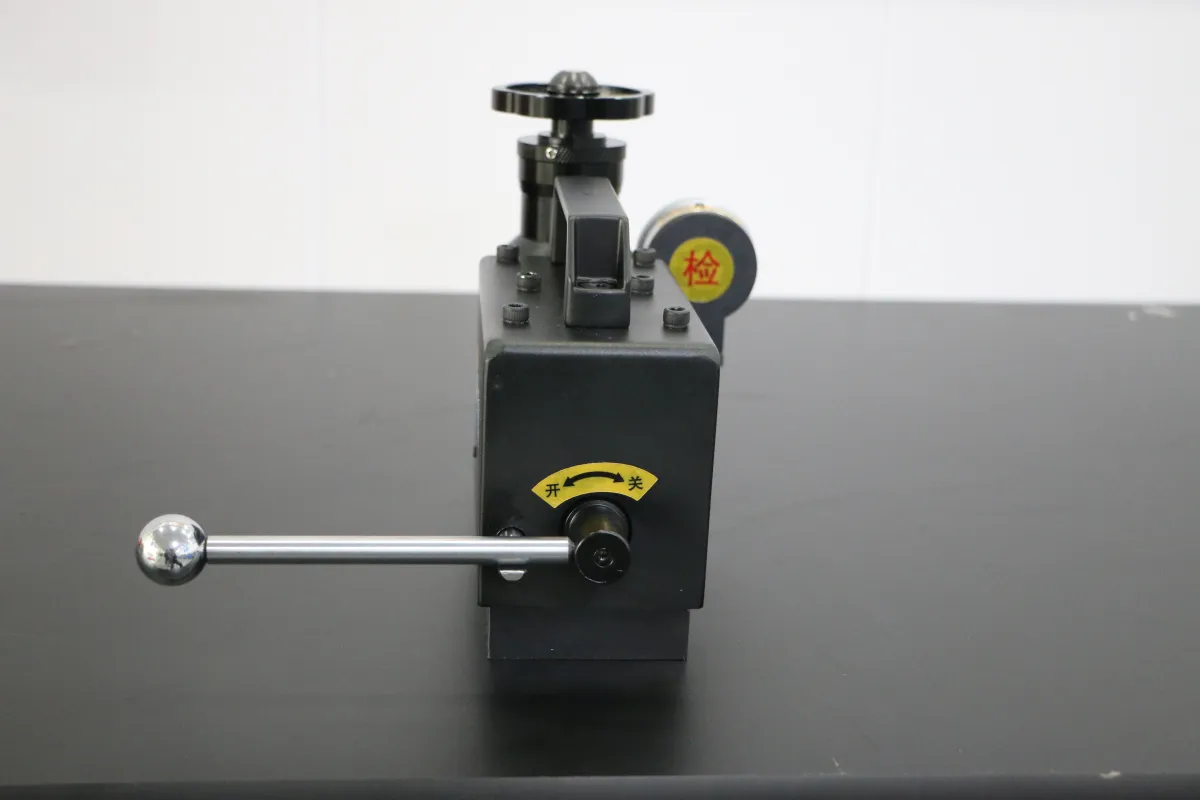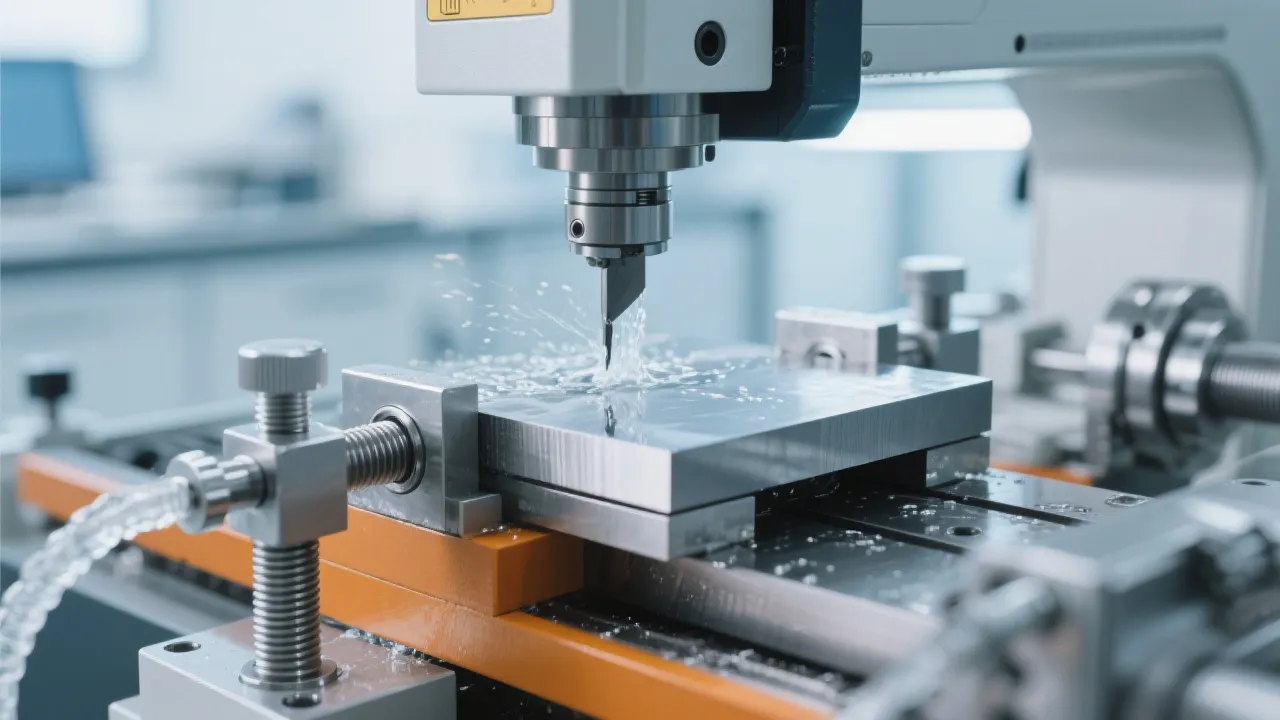
In today's fast-paced materials testing laboratory, improving sample preparation efficiency is essential for timely and accurate analysis. Are you still grappling with low throughput, inconsistent results, or complex operation processes? This article walks you through proven strategies to optimize metallographic sample preparation using advanced technology and standardized procedures — designed to empower your laboratory to reach new heights in quality and efficiency.
Many laboratories face significant bottlenecks such as:
The key to boosting efficiency lies in adopting a streamlined, standardized workflow. Starting from precise sampling to the final polishing, each step requires meticulous control over parameters:
Implementing these steps through automated or semi-automated equipment not only ensures repeatability but also significantly cuts down manual interventions.
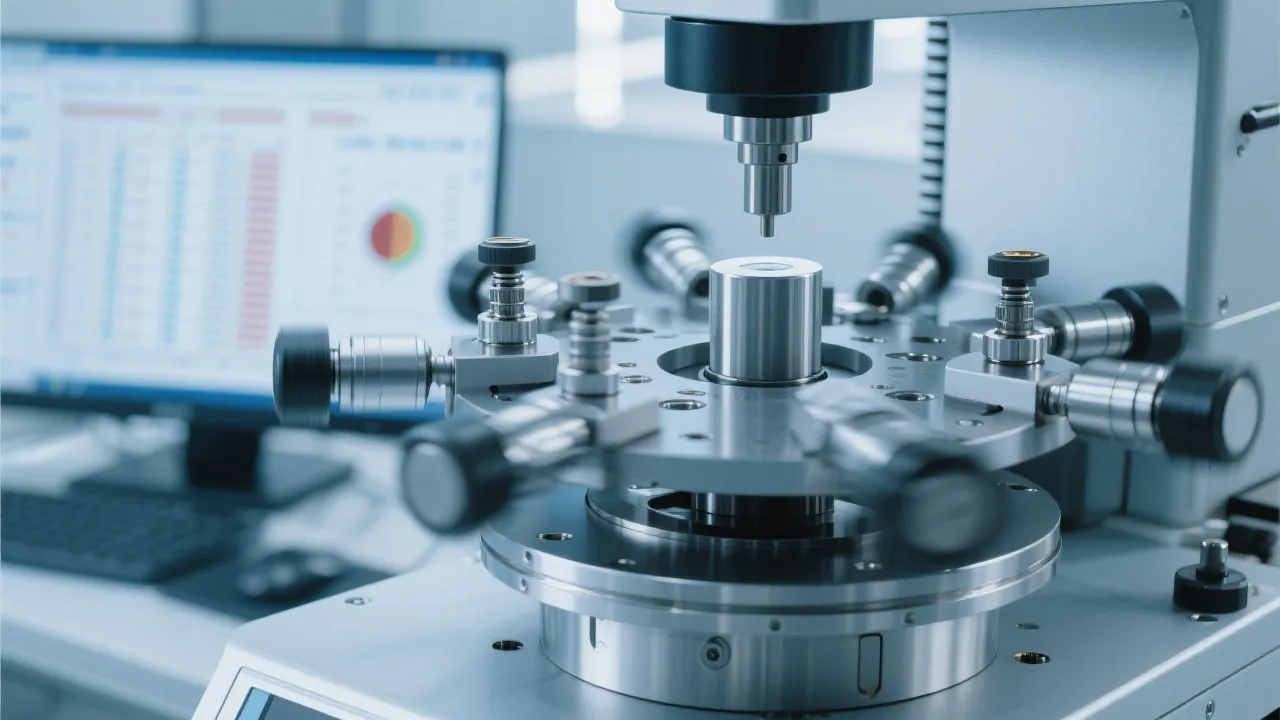
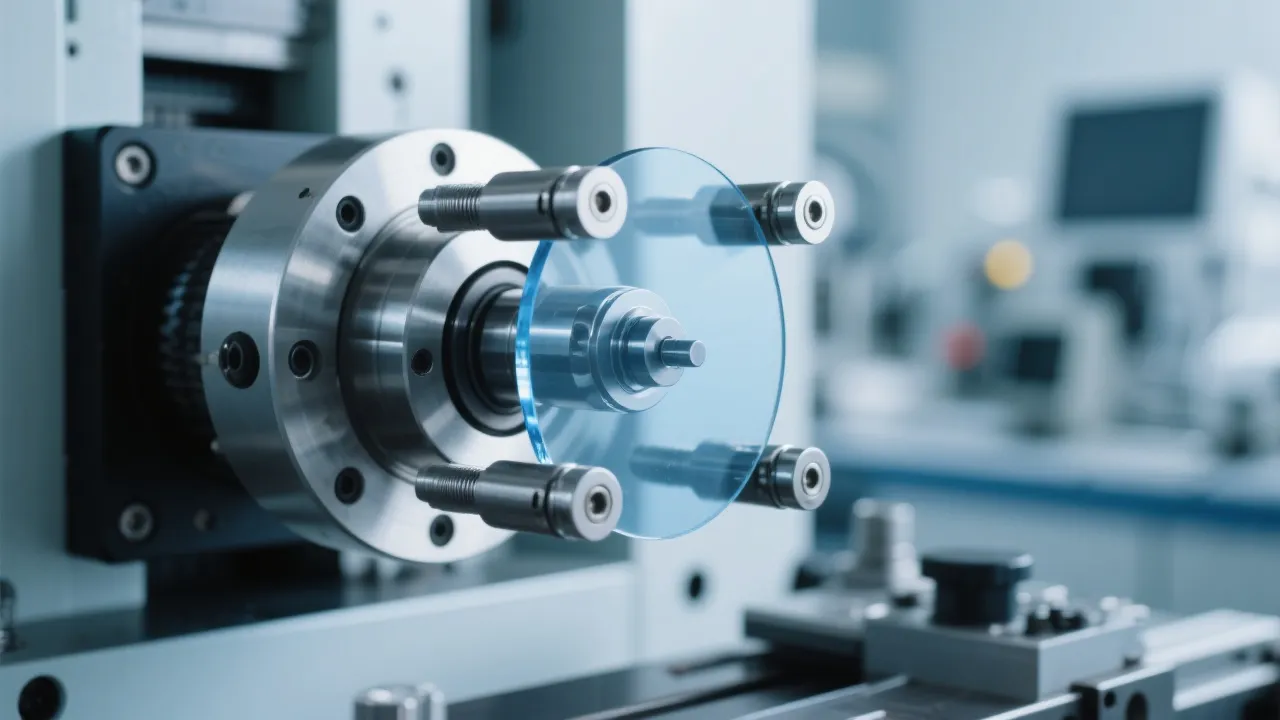
Choosing the correct pressure application method is critical. Center force applies even pressure uniformly across the sample surface, ideal for consistent materials such as metals and alloys. In contrast, single-point loading targets a smaller area with variable force, suitable for soft or heterogeneous samples.
Practically, pairing these methods depending on your sample type can reduce surface defects by up to 30% and optimize polishing efficiency by 25%. Automation systems that integrate both techniques enable quick switching tailored to your materials’ characteristics.
Rotation speed directly impacts the abrasion rate and heat generation during grinding and polishing. For hard, dense materials, speeds approaching 1000 rpm maximize efficiency without compromising surface integrity. Softer or temperature-sensitive samples benefit from slower speeds between 300-600 rpm.
The ability to fine-tune rotational speeds — preferably with seamless LCD control systems — allows your laboratory to customize settings instantly to meet diverse testing standards or ASTM/ISO certification requirements.
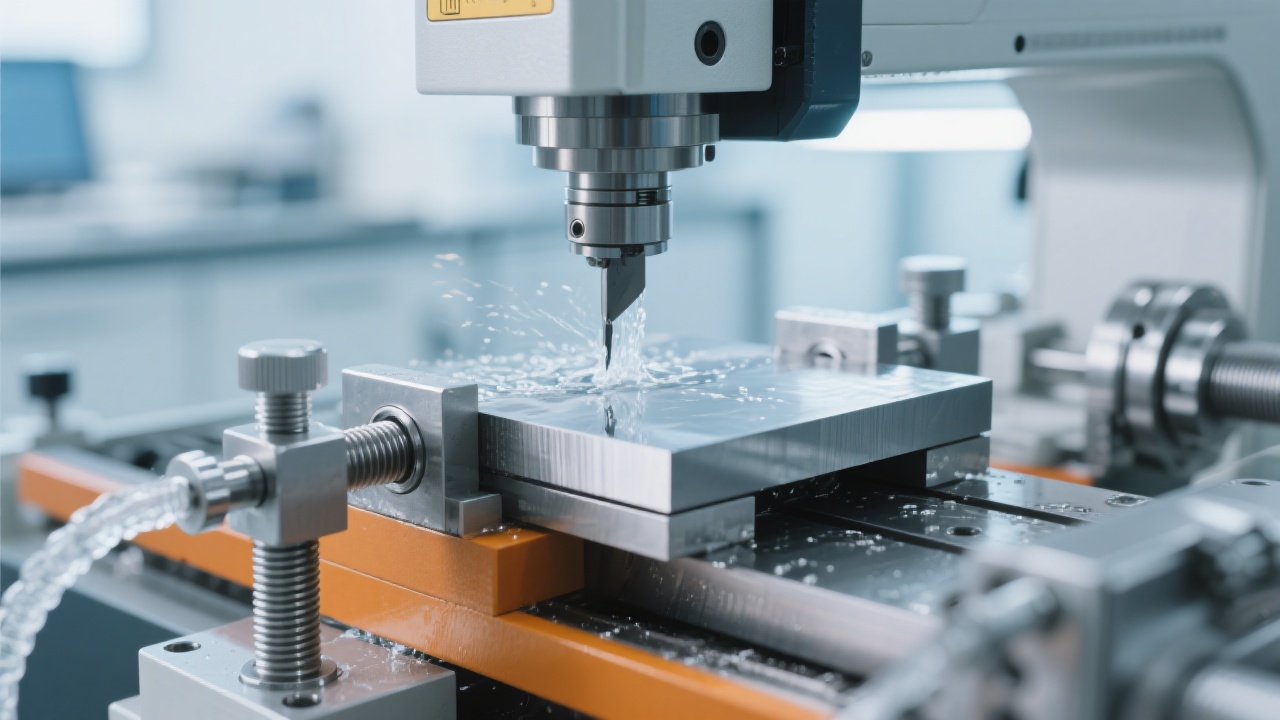
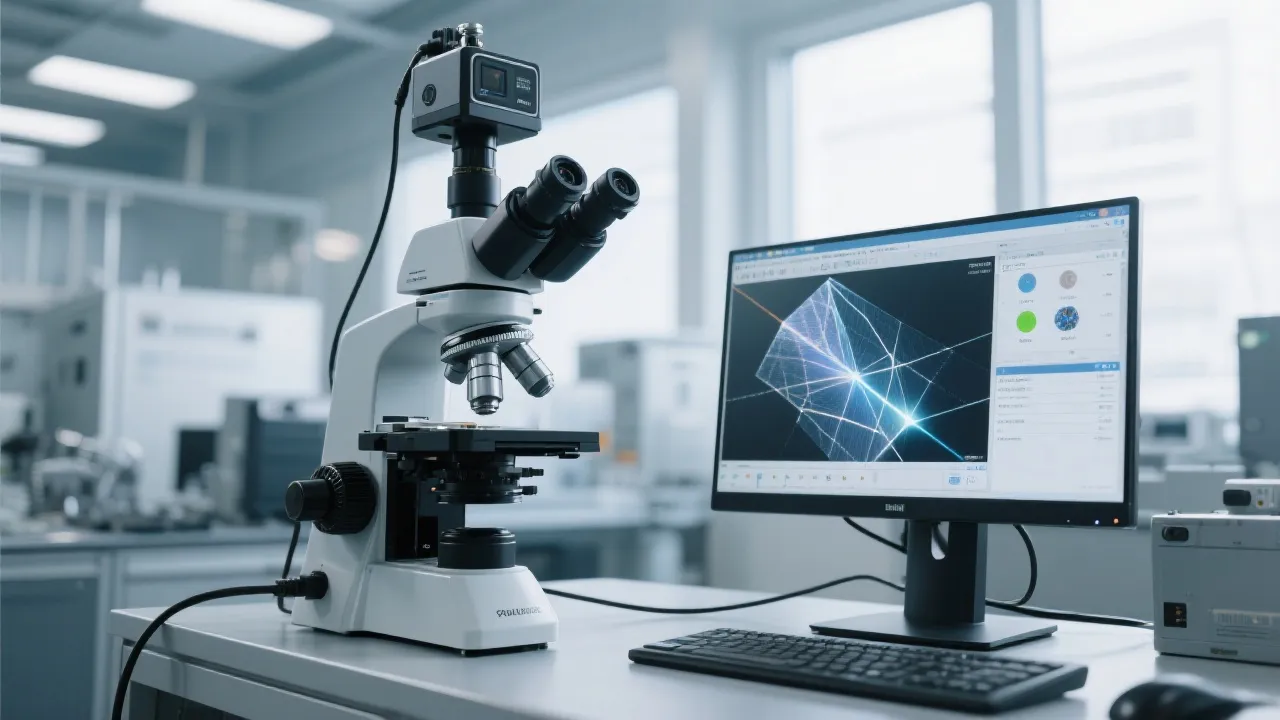
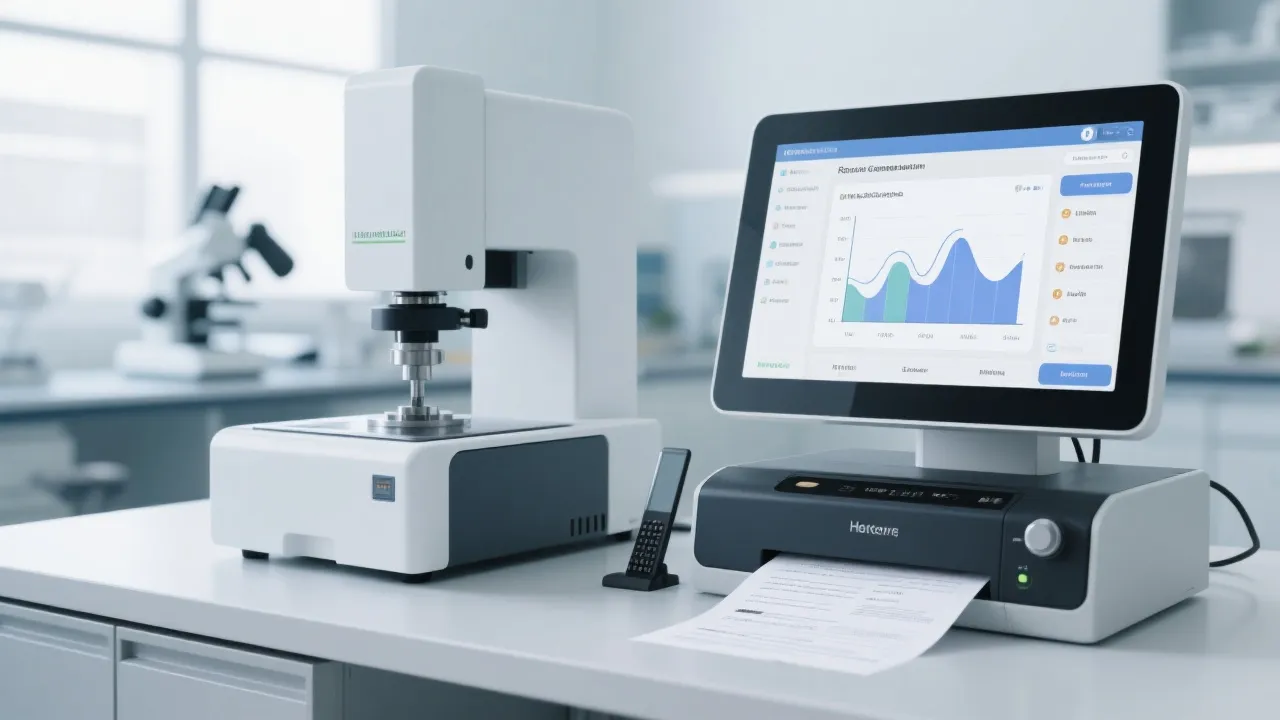
Your laboratory can dramatically reduce human errors and preparation cycle times by deploying an LCD control interface featuring:
This technology can boost preparation efficiency by 40%, ensuring your laboratory achieves consistent results while freeing technicians to focus on critical analysis tasks.
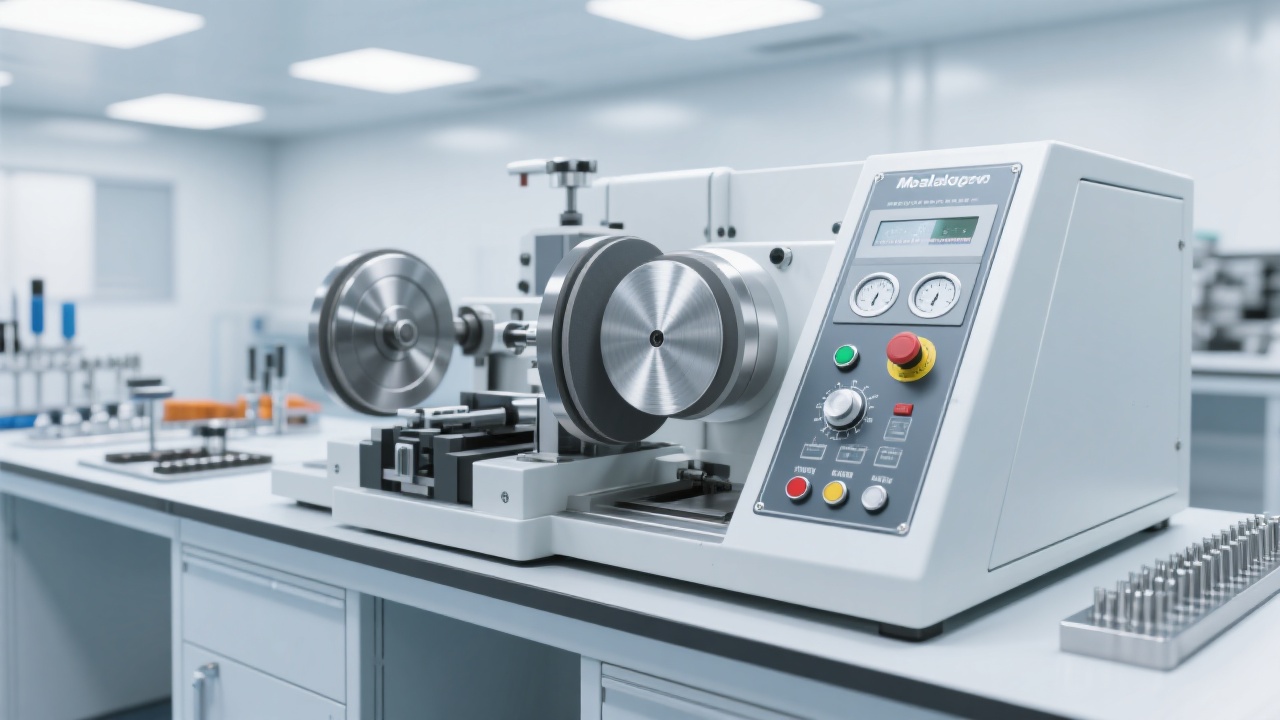
Investing in a premium preparation device is only the start. Your efficiency gains depend heavily on ongoing support including:
A strong partnership with your equipment provider safeguards your laboratory's investment and ensures continuous improvement on your quality assurance targets.
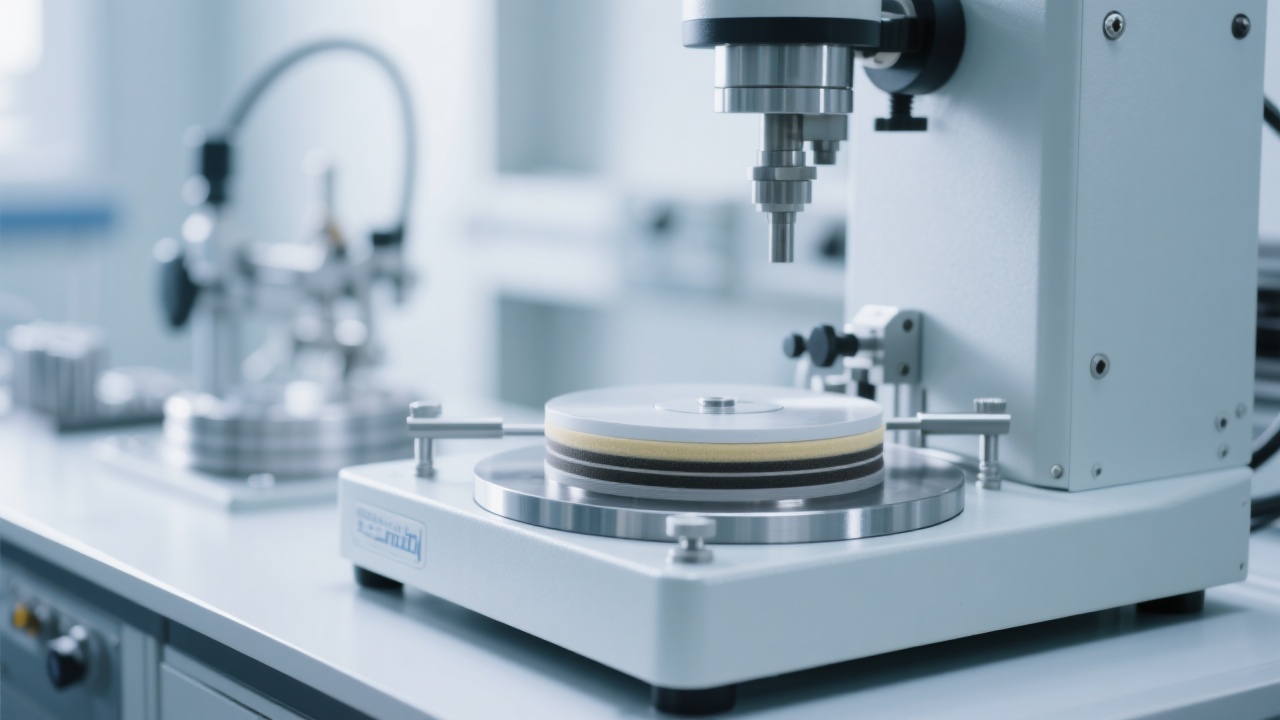
Aligning with ASTM and ISO certification requirements ensures your prepared samples meet stringent quality benchmarks and are comparable across laboratories worldwide. Integrating these standards with automated instruments designed for ASTM standard sample preparation enables your lab to consistently pass audits and satisfy global clients’ expectations.
Have you encountered inconsistencies or bottlenecks during metallographic sample preparation? How would streamlining your workflow impact your lab's throughput and data reliability?
 soft metal Brinell hardness tester
Brinell hardness load selection
hardness tester precision control
soft metal hardness testing techniques
automated hardness testing
magnetic base hardness tester advantages
mobile hardness testing stability
on-site hardness test errors
reduction of user errors in hardness testing
shipyard hardness testing tools
Fully automatic Brinell hardness tester operation
Hardness tester maintenance skills
Hardness testing precision assurance
Automatic turret technology
Digital image processing hardness tester
Brinell hardness testing
forging quality inspection
metal hardness measurement
hardness test parameters
Jinji Brinell hardness tester
Automatic Brinell hardness tester operation
Hardness tester maintenance skills
Brinell hardness test accuracy
Digital imaging hardness tester
Jincheng 12MHBS - 3000ZD
soft metal Brinell hardness tester
Brinell hardness load selection
hardness tester precision control
soft metal hardness testing techniques
automated hardness testing
magnetic base hardness tester advantages
mobile hardness testing stability
on-site hardness test errors
reduction of user errors in hardness testing
shipyard hardness testing tools
Fully automatic Brinell hardness tester operation
Hardness tester maintenance skills
Hardness testing precision assurance
Automatic turret technology
Digital image processing hardness tester
Brinell hardness testing
forging quality inspection
metal hardness measurement
hardness test parameters
Jinji Brinell hardness tester
Automatic Brinell hardness tester operation
Hardness tester maintenance skills
Brinell hardness test accuracy
Digital imaging hardness tester
Jincheng 12MHBS - 3000ZD


Hardness-TesterHV-1000A-1.jpg?x-oss-process=image/resize,h_800,m_lfit/format,webp)