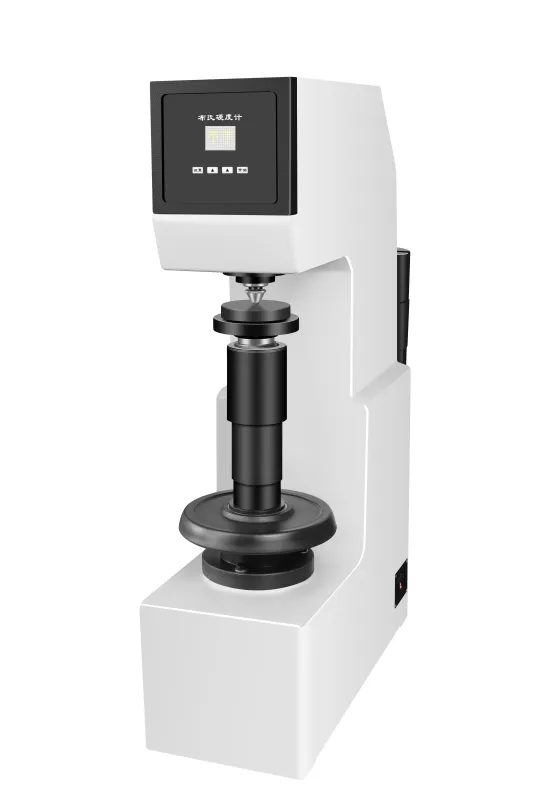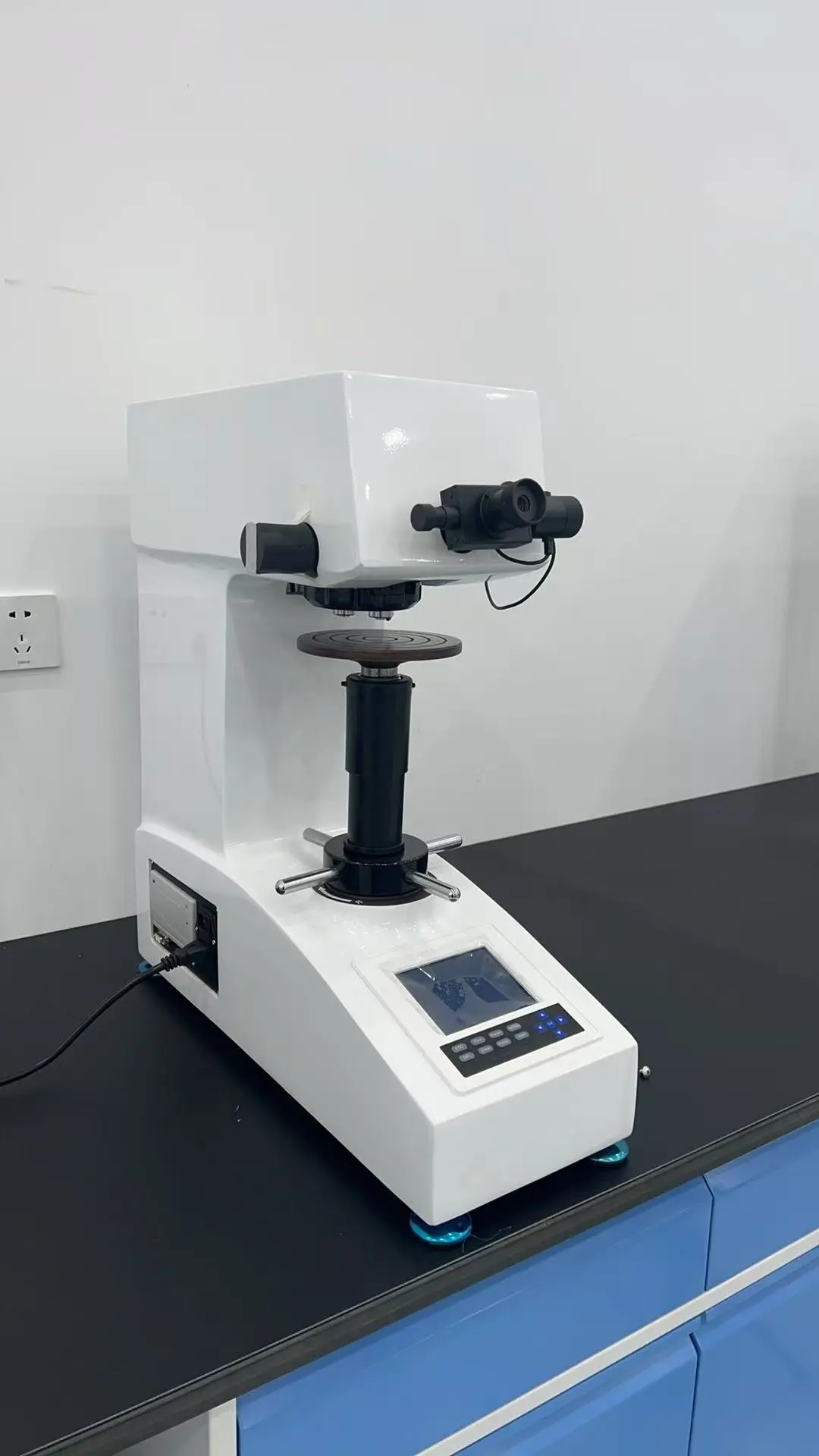
In the domain of material quality control, precision and reliability are paramount. The Laizhou Jincheng Automatic Rockwell Hardness Tester aligns with internationally recognized standards such as ISO 6508 and ASTM E18, ensuring consistent and accurate hardness measurements crucial for industries like chemical processing. However, beyond the quality of equipment, the proficiency of operators significantly influences testing outcomes — making a robust training program indispensable for technical teams.
Adherence to ISO 6508 and ASTM E18 standards mandates rigorous calibration, test load accuracy, and reproducibility of hardness measurements. For instance, ASTM E18 prescribes load values and indenter configurations that directly impact the repeatability of results. Meeting these criteria reduces variability to below 3%, an industry benchmark that enhances confidence in test data across global supply chains.
The Laizhou Jincheng model incorporates built-in calibration routines and automated load controls, facilitating compliance without complex manual intervention. Still, the operator must grasp the nuanced adjustments and environmental controls—elements best addressed in a well-structured training course.
A hallmark of effective hardiness testing deployment is the support infrastructure that accompanies hardware delivery. Laizhou Jincheng’s after-sales program emphasizes onsite installation guidance, step-by-step operational training, and rapid troubleshooting protocols, which collectively minimize downtime and accelerate equipment ROI.
Data from quality management audits indicates that facilities receiving direct training show a 35% reduction in operator errors within the first six months, significantly enhancing measurement reliability and throughput. This correlation highlights the indispensable nature of structured education beyond mere product provision.
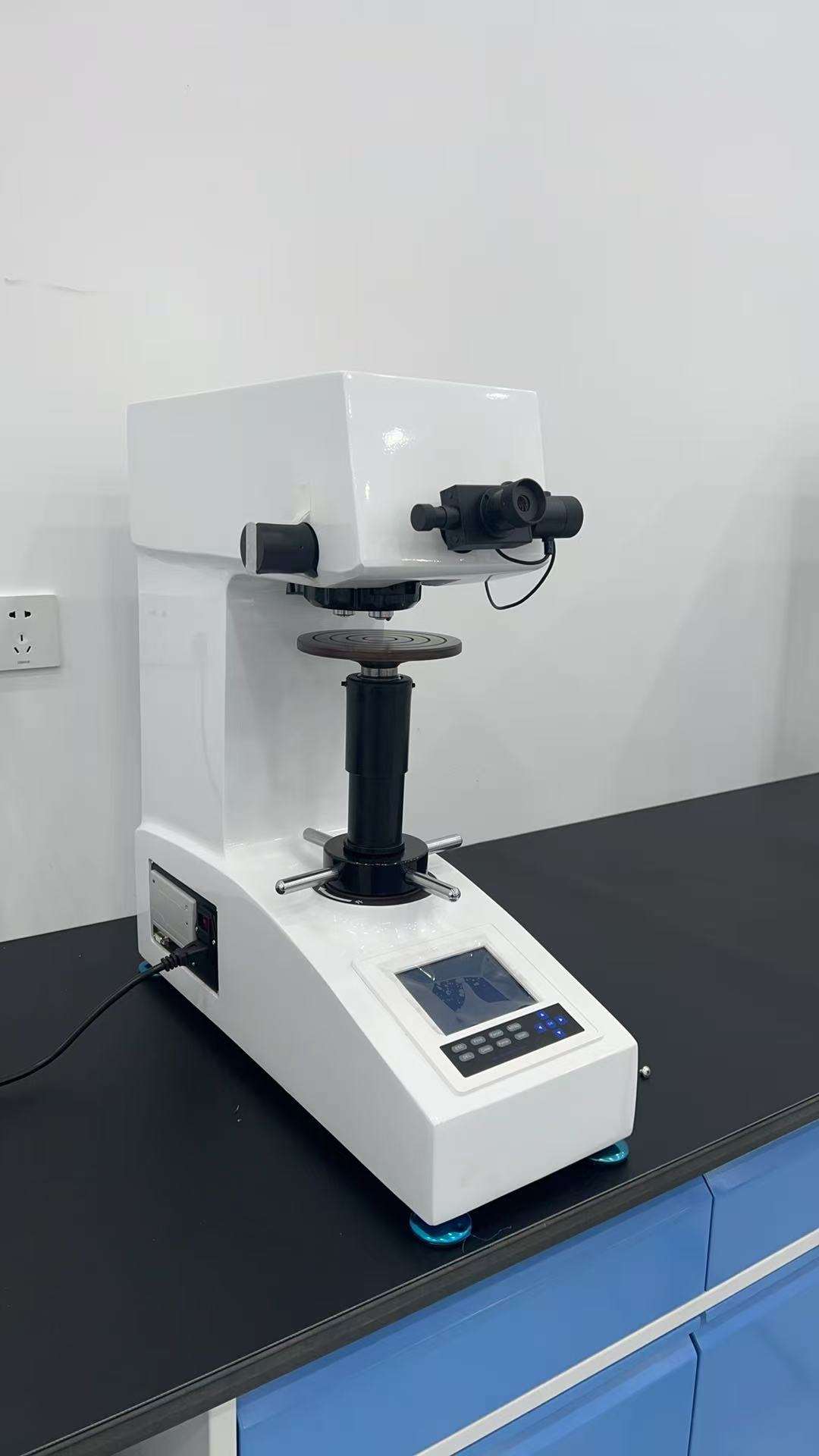
An optimized training curriculum targets key technical competencies: understanding hardness principles, mastering machine calibration, data interpretation, and recognizing common sources of testing variability. Additionally, integrating multimedia resources such as video demonstrations, interactive quizzes, and infographics accelerates knowledge retention.
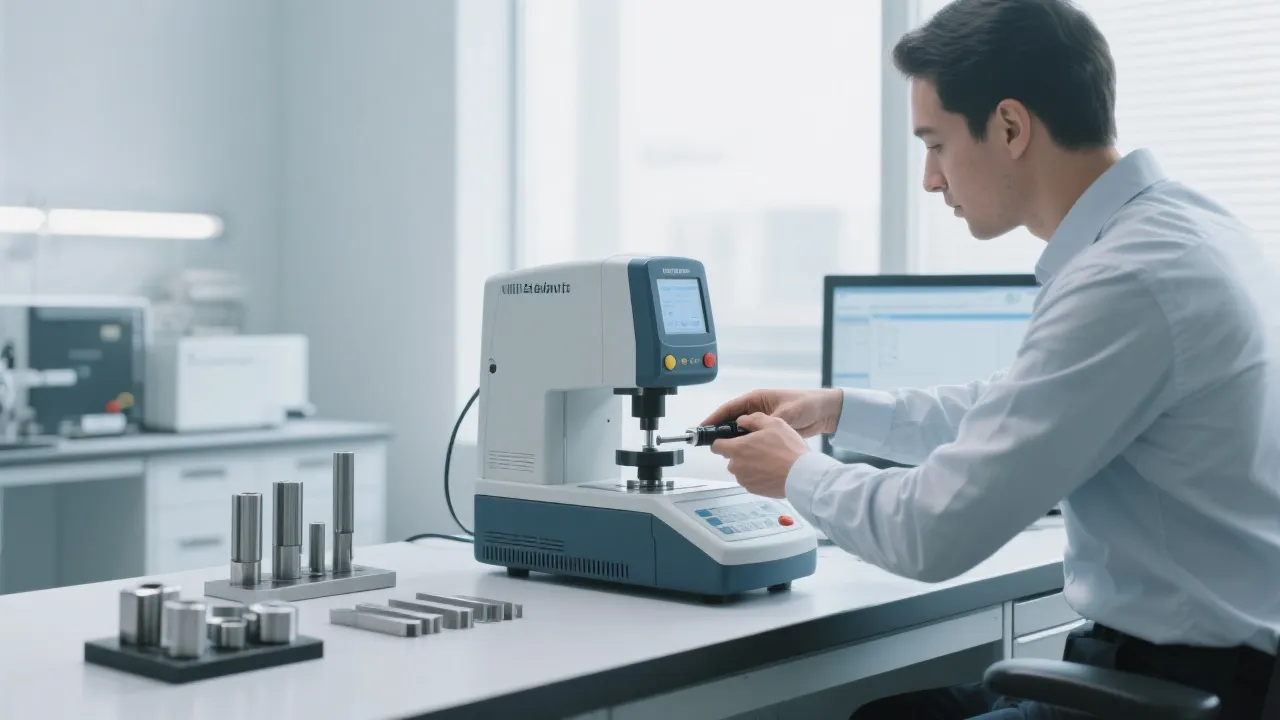
Practical workshops, supported by certified trainers, enable technicians to confidently handle equipment, execute standardized test sequences, and perform routine maintenance—effectively reducing operational errors by industry estimates as much as 40%. This in turn safeguards testing quality and aligns with stringent quality assurance frameworks.
Continuous support post-training is essential in maintaining the stability of hardness testing operations. Laizhou Jincheng’s structured maintenance scheduling, rapid repair services, and remote diagnostics ensure equipment showcases above 98% uptime—a critical metric for high-demand industrial environments.
For procurement and quality management professionals, prioritizing automated hardness testers with robust after-sales ecosystems mitigates risks associated with operational interruptions and sub-par measurements—two factors that can incur costly production delays and material nonconformities.
“Consistent hardness testing, backed by dependable standards compliance and thorough operator training, is non-negotiable in modern manufacturing quality assurance.” — International Materials Testing Association
 HR-150A Rockwell hardness tester
manual Rockwell hardness tester usage guide
hardness testing operation procedure
industrial on-site hardness measurement
global hardness tester after-sales service
electronic Brinell hardness tester maintenance
industrial hardness testing guide
hardness tester troubleshooting
HB-3000C usage tips
metal hardness measurement
Brinell hardness testing
black metal hardness measurement
non-ferrous metal indentation deformation
hardness test parameter adjustment
ASTM E10 standard
Vickers hardness testing
metal material inspection
indentation image clarity
closed-loop loading system
automatic turret switching
Vickers hardness testing
Rockwell hardness testing
hardness testing method comparison
GB/T230.2 standard
industrial hardness tester selection
HR-150A Rockwell hardness tester
manual Rockwell hardness tester usage guide
hardness testing operation procedure
industrial on-site hardness measurement
global hardness tester after-sales service
electronic Brinell hardness tester maintenance
industrial hardness testing guide
hardness tester troubleshooting
HB-3000C usage tips
metal hardness measurement
Brinell hardness testing
black metal hardness measurement
non-ferrous metal indentation deformation
hardness test parameter adjustment
ASTM E10 standard
Vickers hardness testing
metal material inspection
indentation image clarity
closed-loop loading system
automatic turret switching
Vickers hardness testing
Rockwell hardness testing
hardness testing method comparison
GB/T230.2 standard
industrial hardness tester selection



Hardness-TesterHVS-1000-1.jpg?x-oss-process=image/resize,h_800,m_lfit/format,webp)