


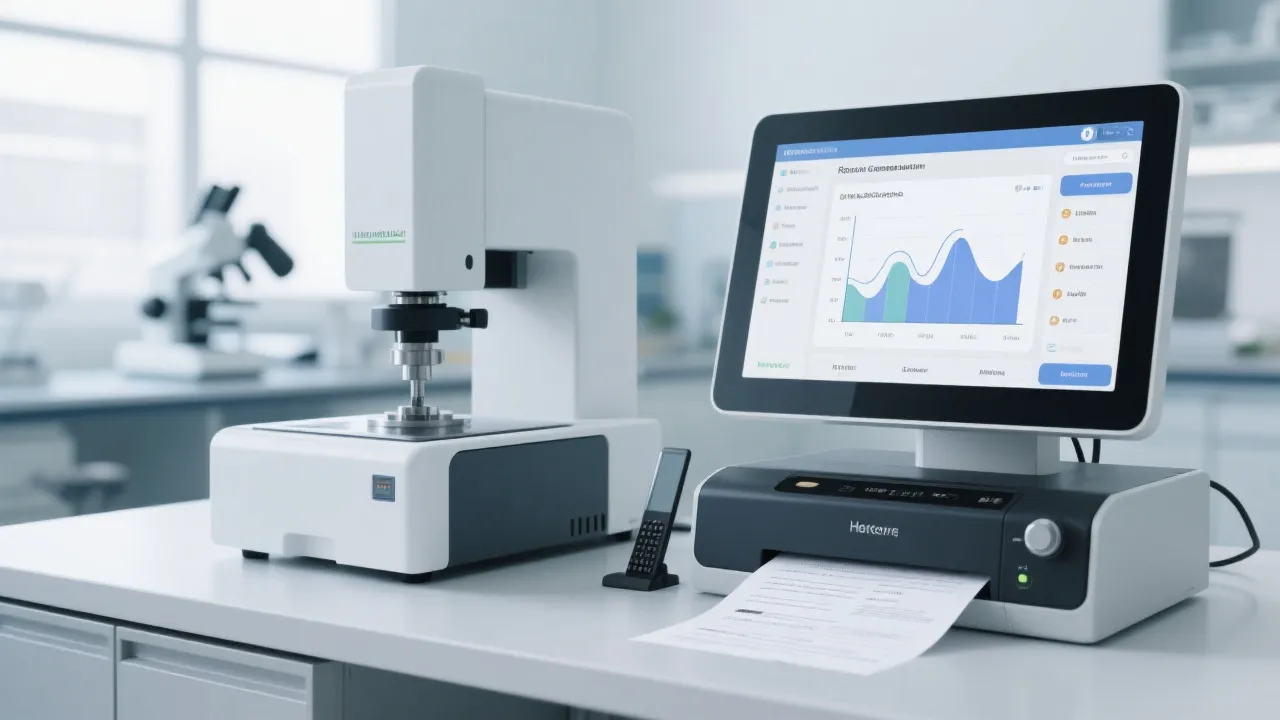
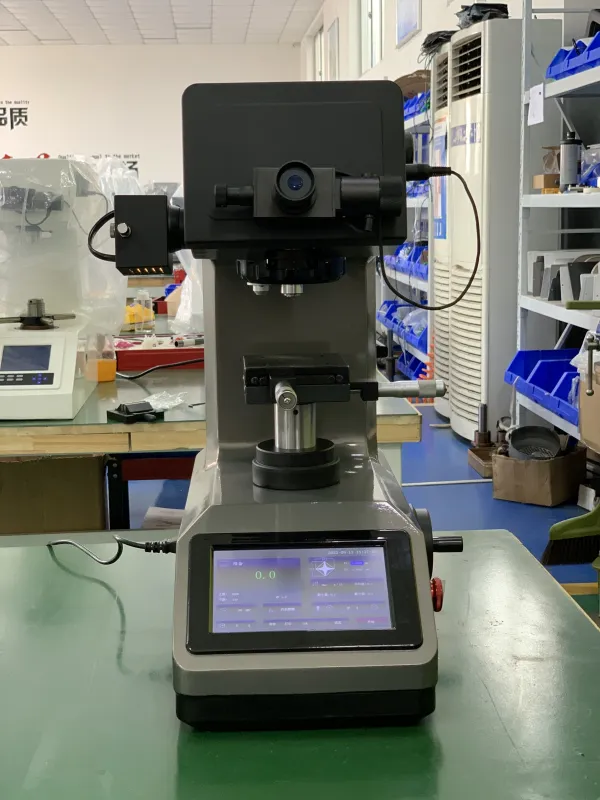
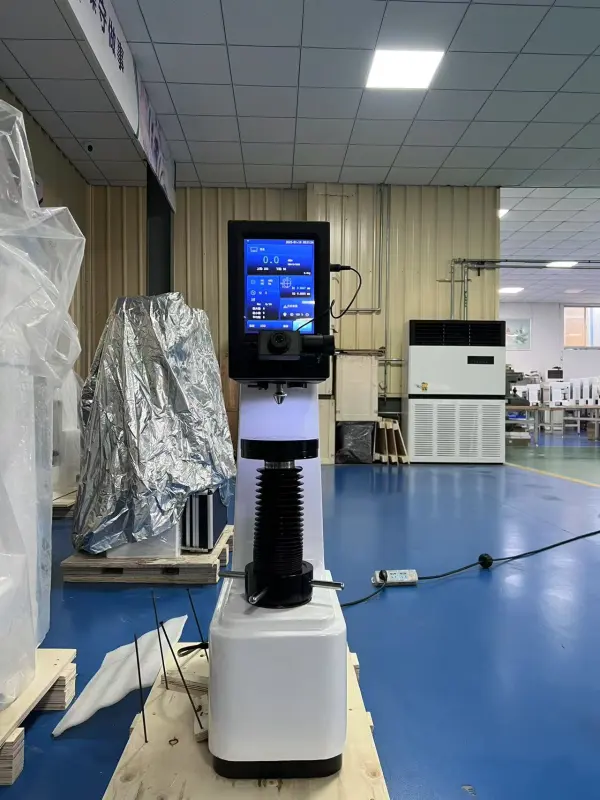
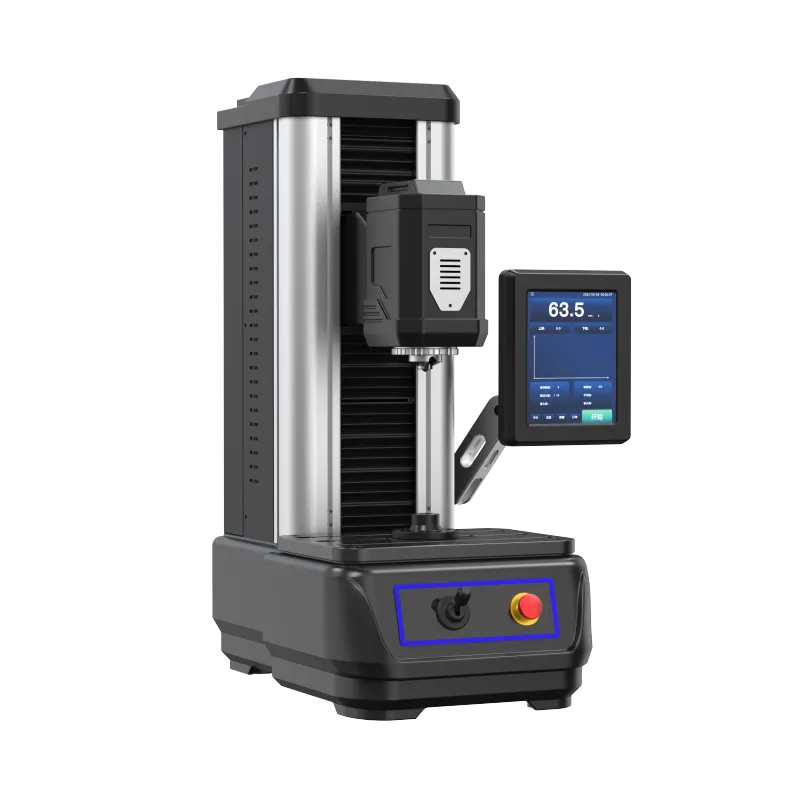
In today’s high-stakes manufacturing environments—from microelectronics to aerospace components—precision isn’t just a goal; it’s a requirement. The HVS-5A/10A/30A/50A Vickers Hardness Tester has emerged as a trusted solution for small-scale and brittle material testing, offering unmatched accuracy and compliance with international standards like ISO 6507 and ASTM E384.
Unlike traditional hardness testers that rely on manual force application, the HVS series uses a closed-loop loading system that dynamically adjusts pressure in real time. According to a 2022 study by the National Institute of Standards and Technology (NIST), such systems reduce measurement variability by up to 42% compared to open-loop alternatives—critical when testing materials like ceramics or thin films used in semiconductor packaging.
Combined with a 10x digital microscope and 40x objective lens, this setup delivers micron-level resolution. For engineers working with parts under 0.5mm thick, this means consistent data without subjective interpretation—a key factor in passing quality audits from clients like Bosch, Siemens, or NASA contractors.
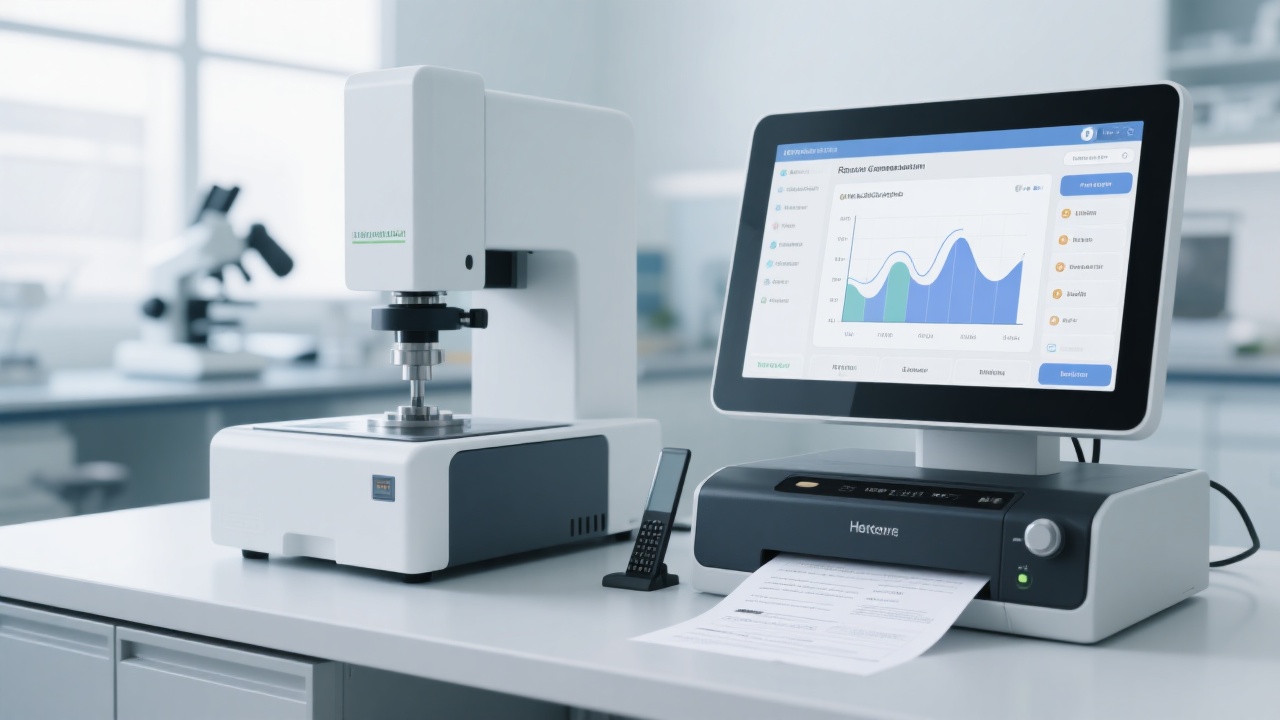
Consider a German medical device manufacturer using the HVS-30A to test titanium alloy coatings on orthopedic implants. Their QA team reported a 30% reduction in false rejection rates after switching from manual methods to automated Vickers testing—thanks to precise HV/HK scale switching and automatic load control.
Similarly, an Indian electronics OEM leveraged the HVS-50A for evaluating solder joints on PCBs. By integrating the tester into their production line, they achieved 99.7% consistency across batches over six months—data that directly supported ISO 9001 certification renewal.
These cases aren’t isolated—they reflect how standardized, repeatable processes drive trust. When your customers ask, “Is your process compliant?” you don’t need to explain. You can show them the numbers—and the certified report.
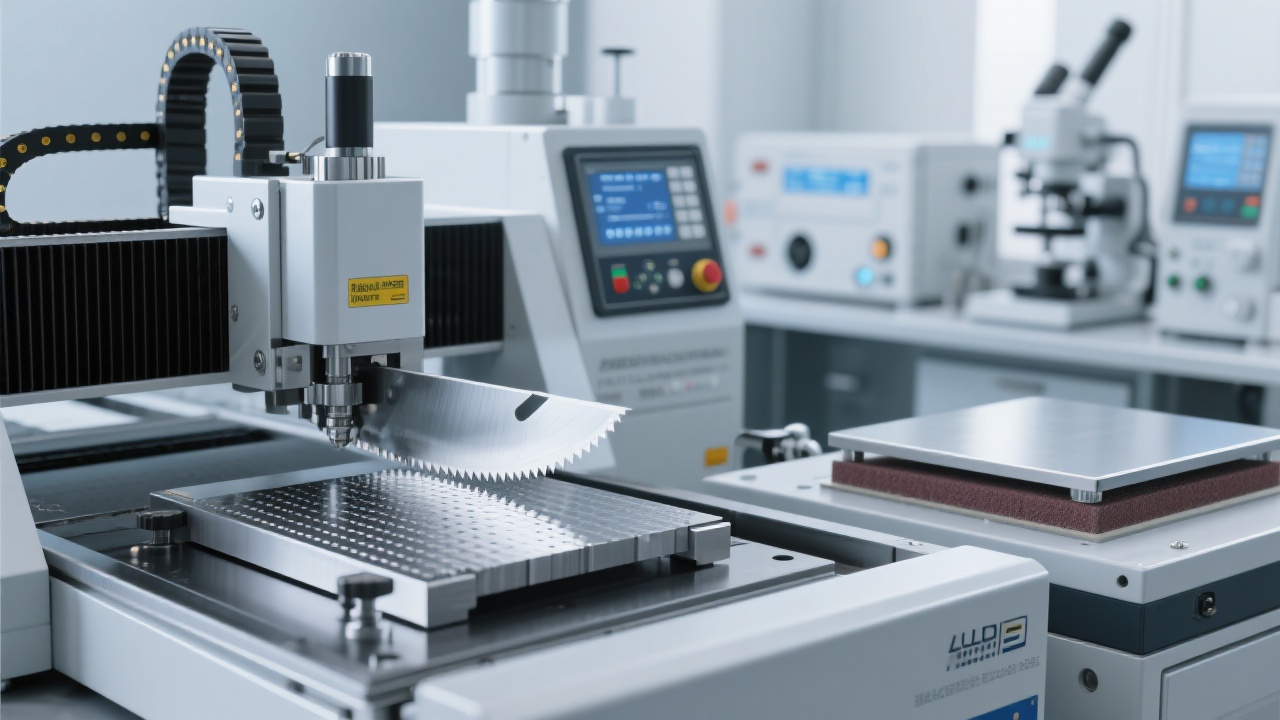
The HVS series doesn’t just meet standards—it makes them easy to follow. Features like automatic indentation measurement, built-in conversion tables (HV to HK, HB, etc.), and intuitive software reduce training time by up to 50%. This is especially valuable in fast-paced R&D labs where technicians juggle multiple tests daily.
And because every result is timestamped, traceable, and exportable in PDF format, teams can build robust digital records that satisfy both internal QC and external client requirements—without extra effort.
If you’re serious about quality control in precision manufacturing, the HVS series isn’t just a tool—it’s your competitive edge.
Explore the full range of HVS-series hardness testers designed for global compliance, precision, and ease-of-use.
See How It Works → soft metal Brinell hardness tester
Brinell hardness load selection
hardness tester precision control
soft metal hardness testing techniques
automated hardness testing
automatic Rockwell hardness tester
international hardness testing standards
hardness tester after-sales service
high-precision hardness measurement
operation training course
Brinell hardness testing
black metal hardness measurement
non-ferrous metal indentation deformation
hardness test parameter adjustment
ASTM E10 standard
Brinell hardness testing
forging quality inspection
metal hardness measurement
hardness test parameters
Jinji Brinell hardness tester
Vickers hardness testing
metal material inspection
indentation image clarity
closed-loop loading system
automatic turret switching
soft metal Brinell hardness tester
Brinell hardness load selection
hardness tester precision control
soft metal hardness testing techniques
automated hardness testing
automatic Rockwell hardness tester
international hardness testing standards
hardness tester after-sales service
high-precision hardness measurement
operation training course
Brinell hardness testing
black metal hardness measurement
non-ferrous metal indentation deformation
hardness test parameter adjustment
ASTM E10 standard
Brinell hardness testing
forging quality inspection
metal hardness measurement
hardness test parameters
Jinji Brinell hardness tester
Vickers hardness testing
metal material inspection
indentation image clarity
closed-loop loading system
automatic turret switching






Hardness-TesterHV-1000-1.jpg?x-oss-process=image/resize,h_800,m_lfit/format,webp)
Hardness-Tester7MHVS-5103050A-1.jpg?x-oss-process=image/resize,h_800,m_lfit/format,webp)
-1.jpg?x-oss-process=image/resize,h_800,m_lfit/format,webp)

Hardness-TesterHVS-5103050A-7.jpg?x-oss-process=image/resize,m_fill,h_800,w_800/format,webp)