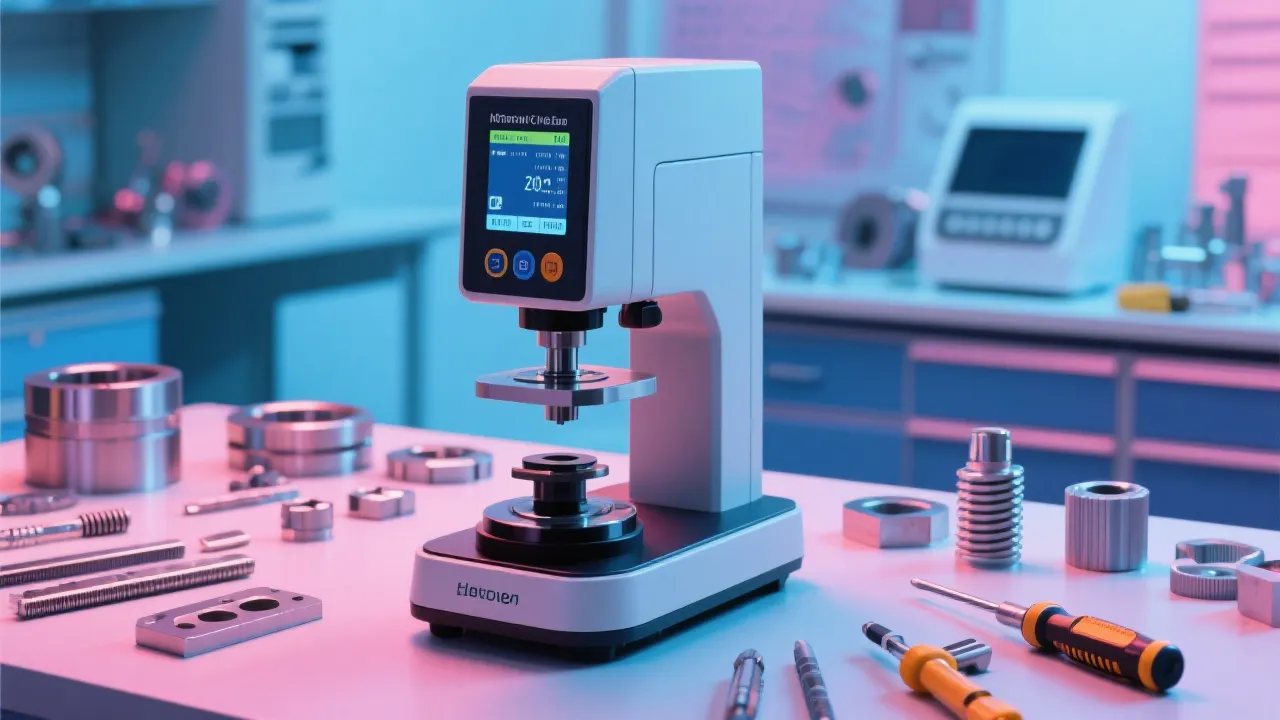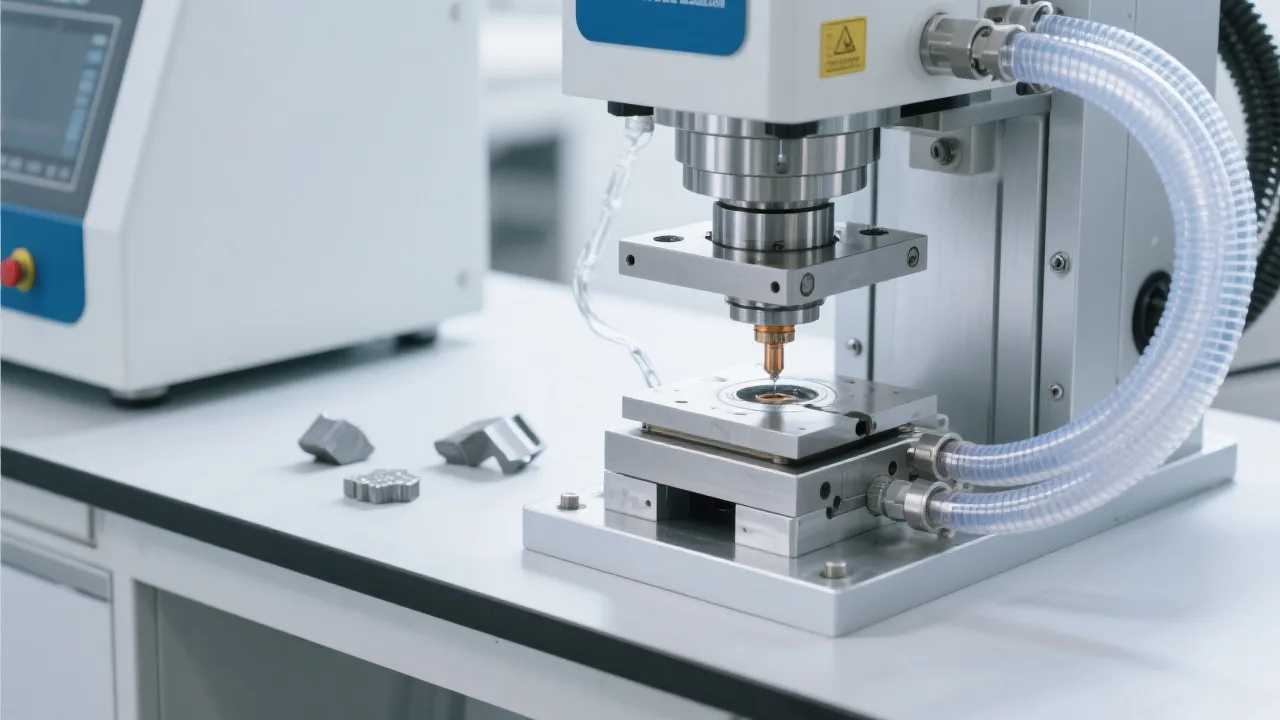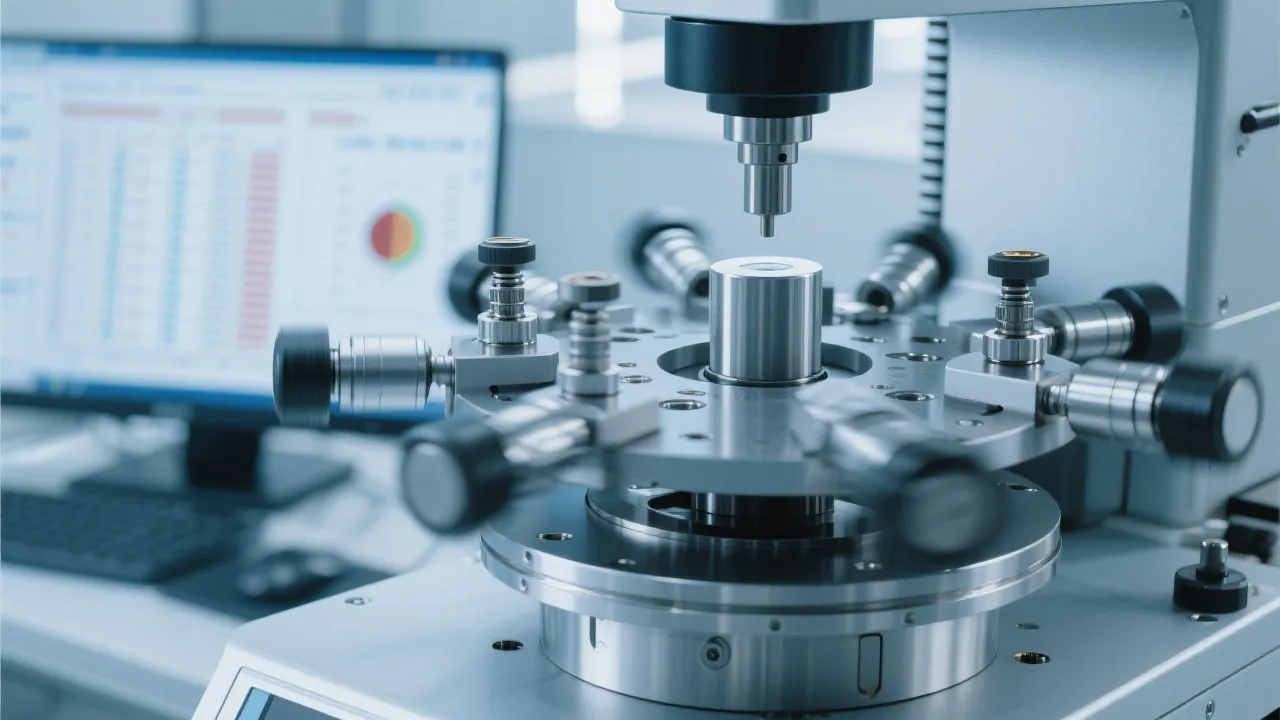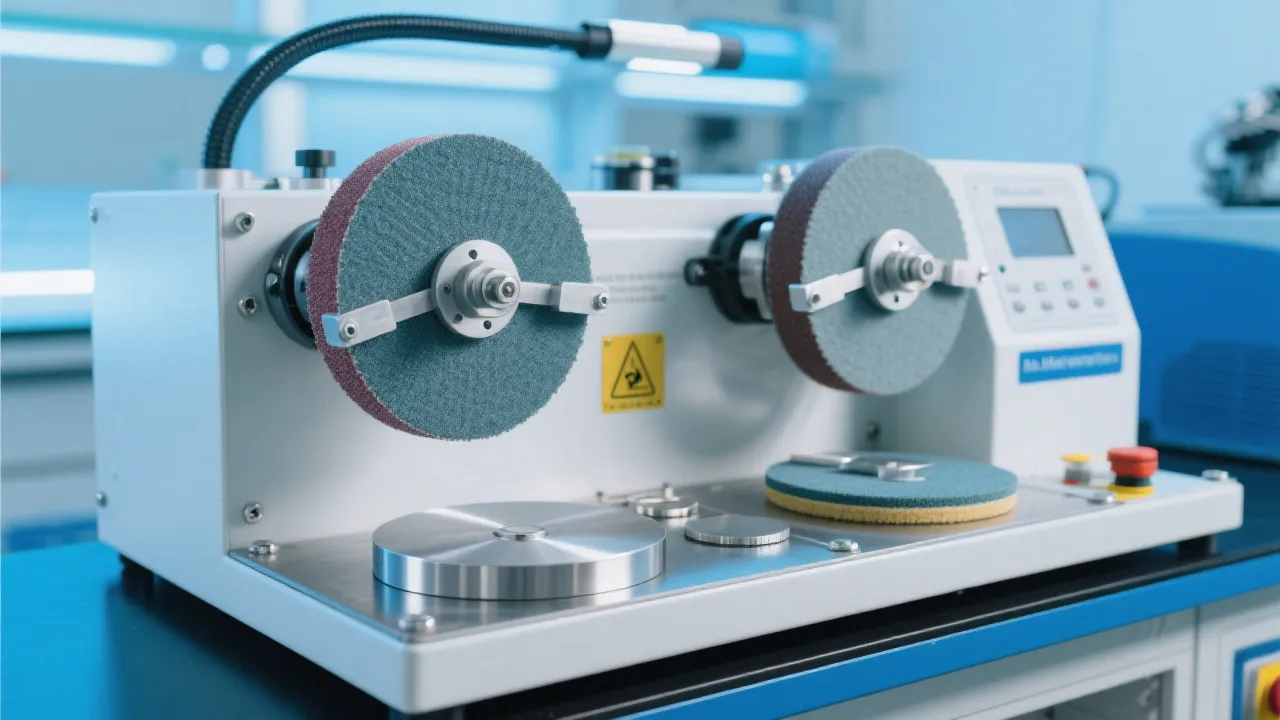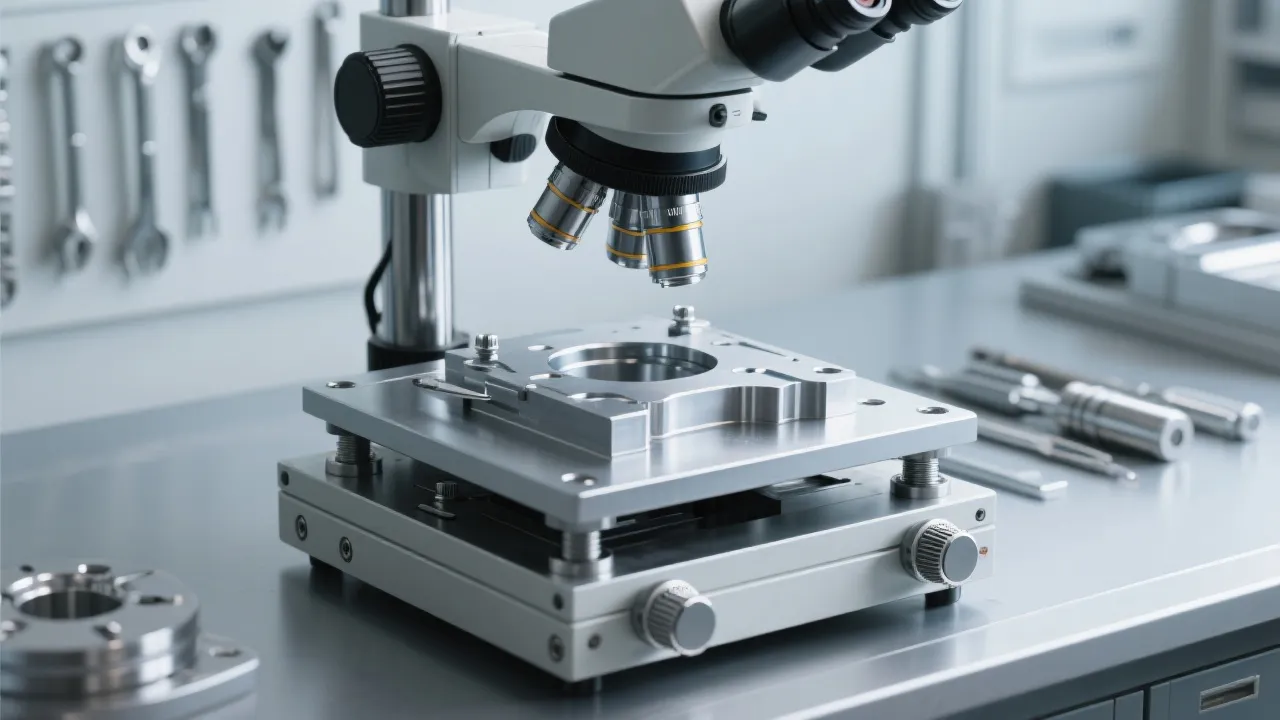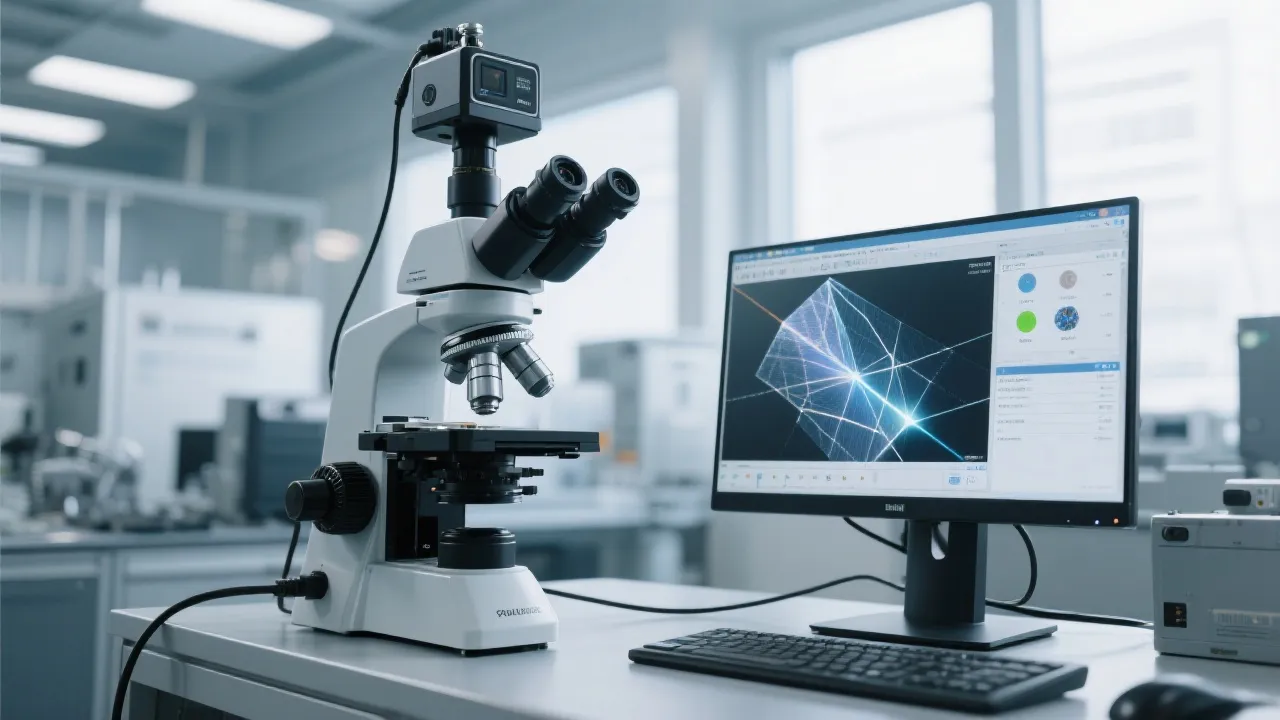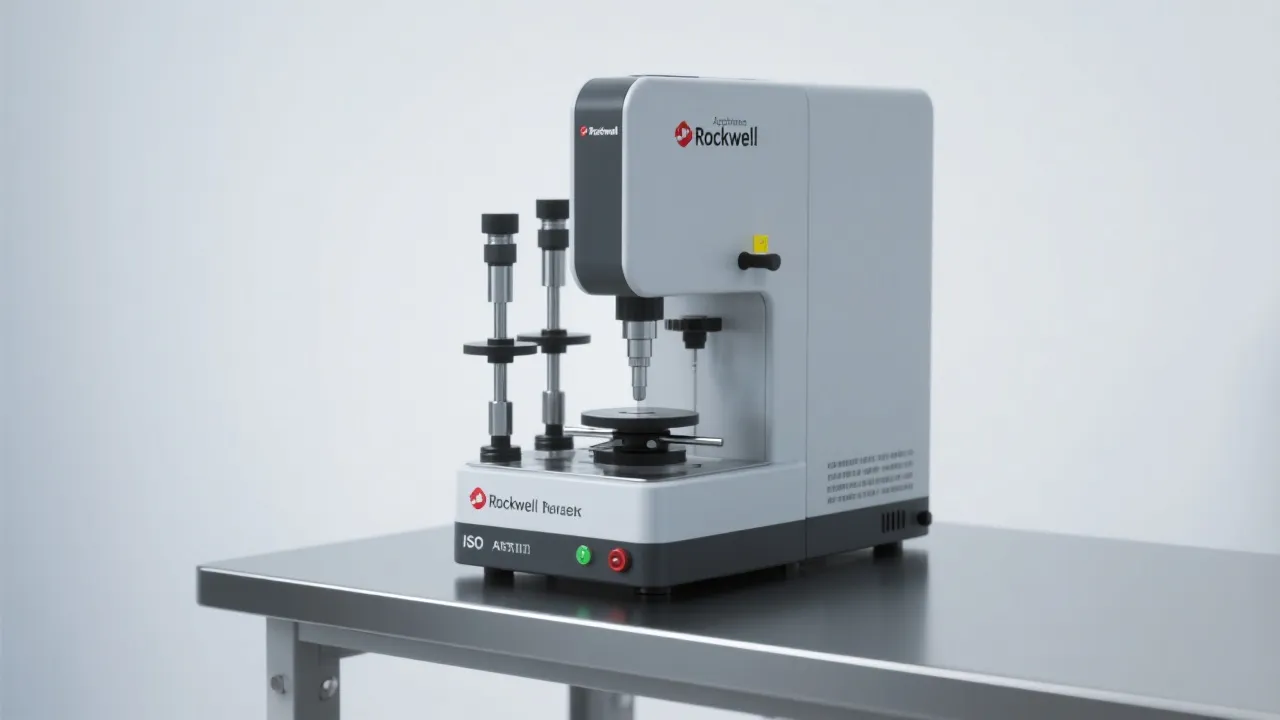
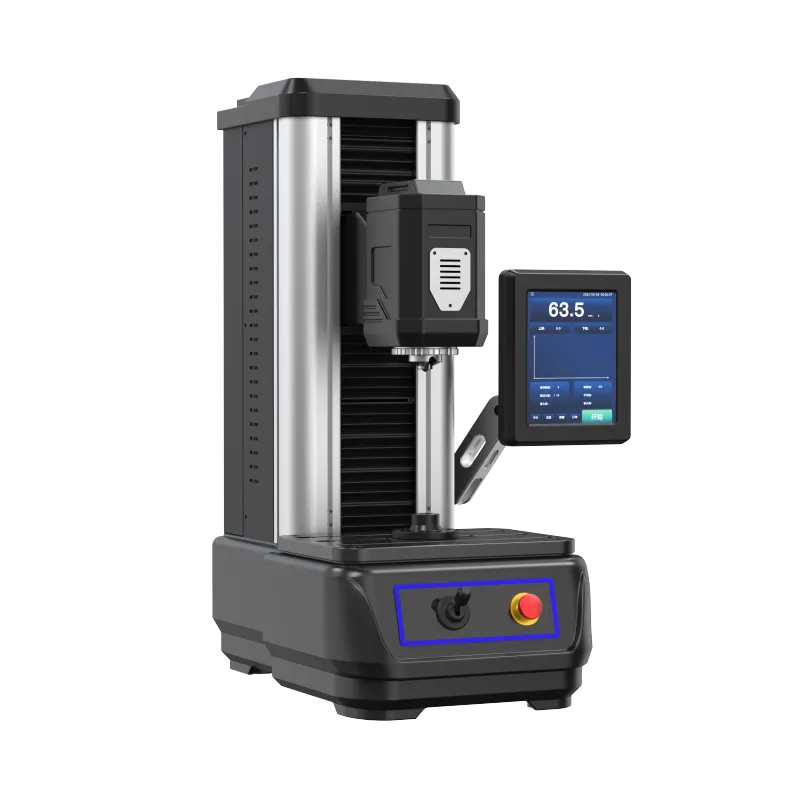
In the realm of materials science and quality control, achieving high-precision hardness measurements for small-sized and fragile specimens remains a critical challenge. The HVS Series Vickers Hardness Tester by Jincheng Industrial Equipment Co., Ltd. leverages cutting-edge technology tailored specifically for these demanding applications. Integrating a closed-loop load control system with a multi-objective digital microscope, this instrument consistently delivers superior resolution, repeatability, and compliance with ISO and ASTM standards.
The foundation of the HVS Series’ accuracy lies in its closed-loop load control system, which actively monitors and adjusts the applied force to maintain exact load values throughout the indentation process. Unlike conventional hardness testers, this ensures zero fluctuation and high stability even for loads as low as 100 gf (gram-force), essential when testing delicate or microscale materials.
Complementing this is the embedded digital microscope with multiple high-magnification objectives—ranging from 100x to 400x—allowing precise visualization and measurement of indentation diagonals. This greatly reduces operator error and speeds up the testing workflow, increasing productivity by an estimated 20% in industrial testing labs.
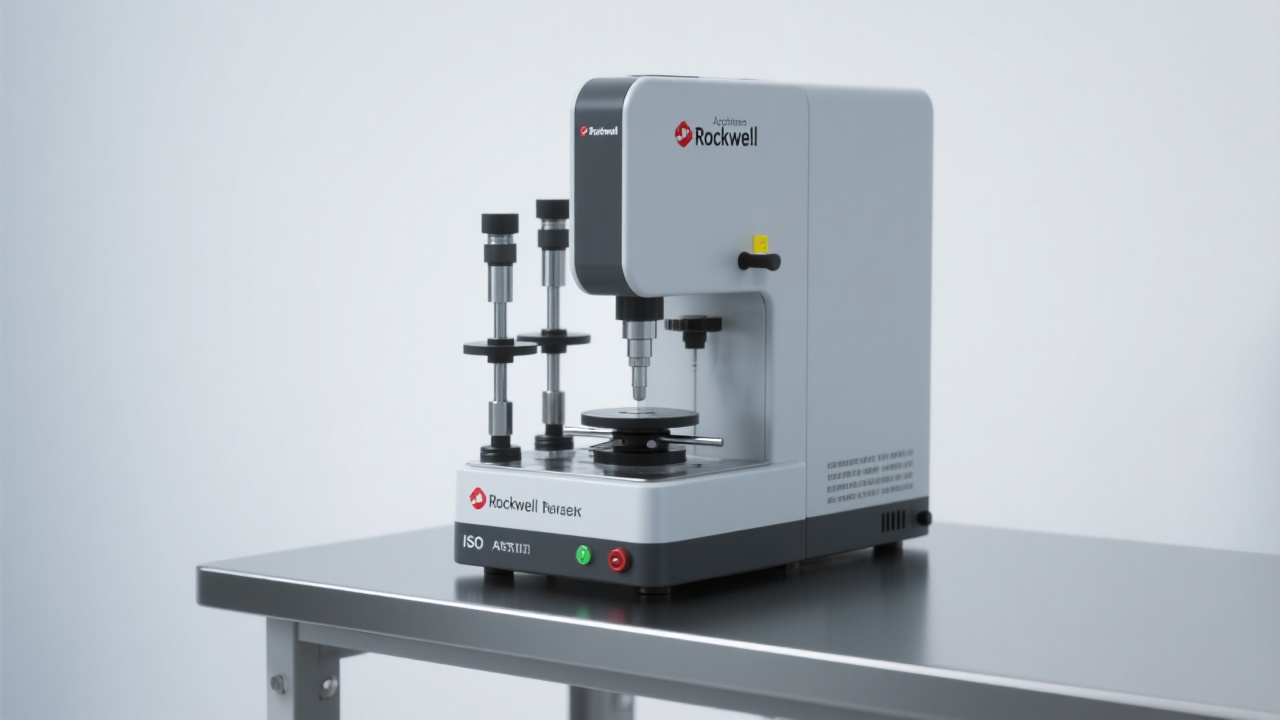
The HVS Series rigorously follows ISO 6507 and ASTM E92 standards, the benchmark protocols for Vickers hardness testing. These standards specify load application methods, indentation measurement techniques, and calibration requirements that ensure inter-laboratory consistency and legal traceability.
With automatic HV to HK hardness scale conversions conforming to HVHK hardness conversion tables, the device enables seamless comparison and interpretation of results across different hardness scales, essential for multinational manufacturing and R&D coordination.
One industry where the HVS Series excels is microelectronics, where components measuring mere millimeters require non-destructive, highly accurate hardness verification. The tester ensures measurement errors remain below 2% relative deviation in these critical scenarios.
Additionally, the instrument’s gentle indentation process is ideal for fragile materials, such as thin glass wafers or ceramics, enabling quality control without cracking or sample damage.
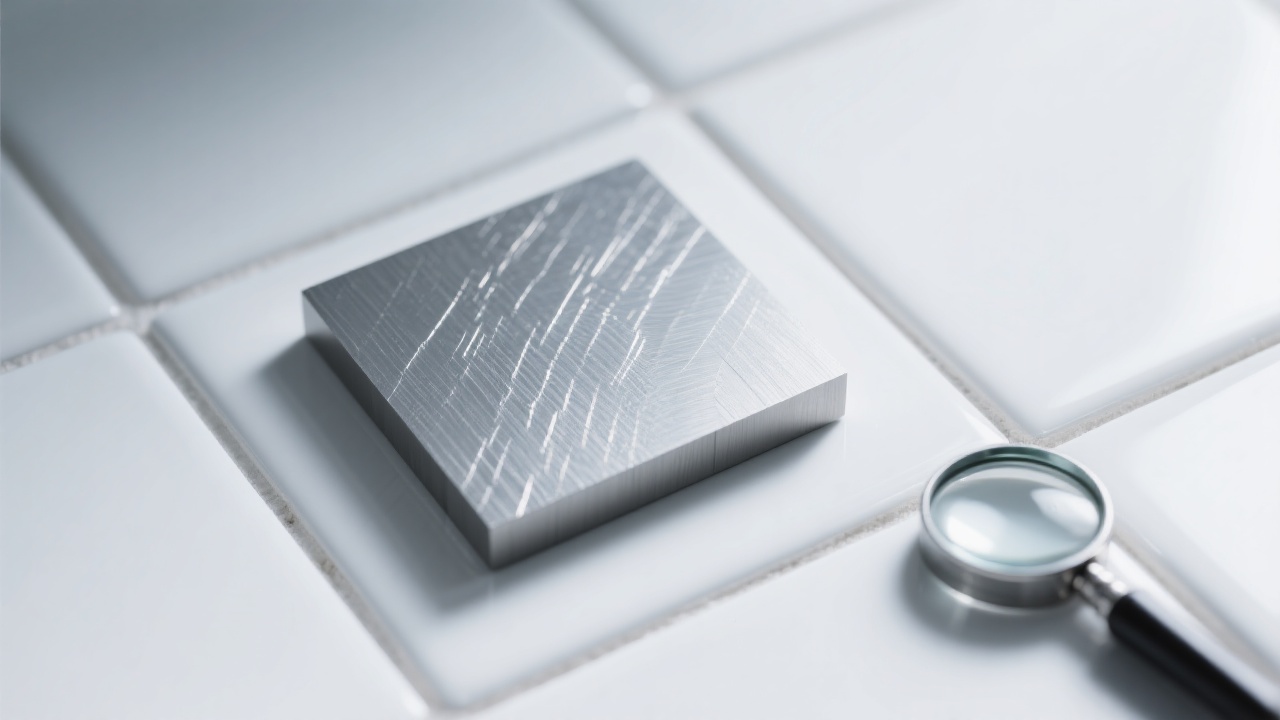
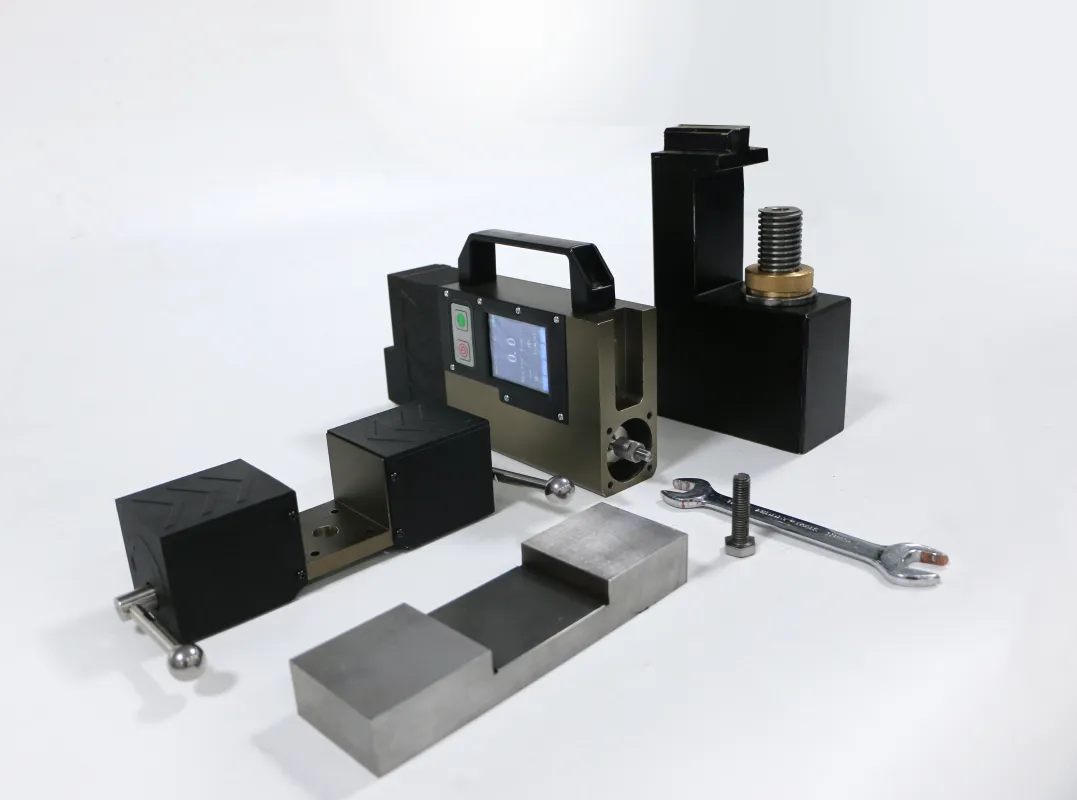
The HVS Series incorporates an automatic load application process that simplifies operator steps—from sample placement to result output—reducing human error and training time. The digital interface supports customizable test parameters, rapid data export, and trend analysis reporting.
Routine maintenance is facilitated through self-diagnostic software and easy access calibration standards, promising sustained measurement precision over years of usage.
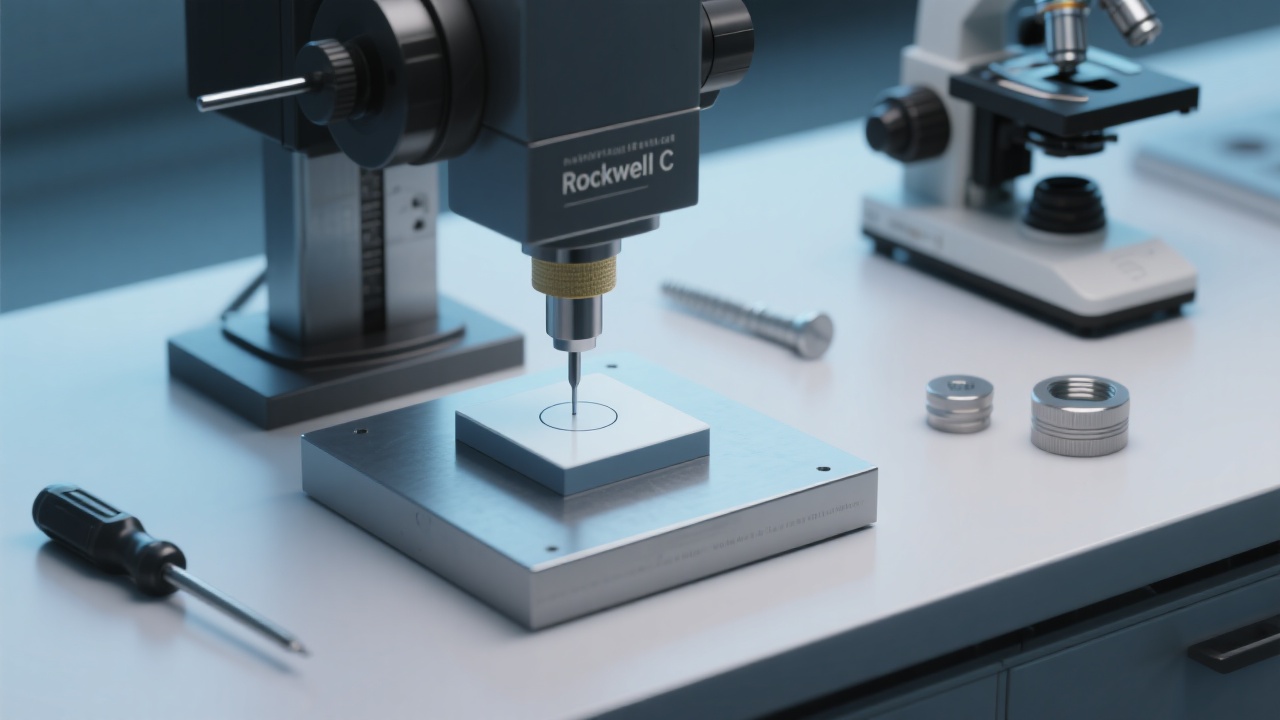
How has precision hardness testing influenced your quality control outcomes? Are there challenges you face with small-size or brittle material inspections? Connect with our team of experts and industry peers to exchange knowledge and refine your testing protocols.
Join the conversation—expert advice and user experiences are invaluable for advancing precise material measurement techniques.
 metallographic sample preparation best practices
material testing efficiency improvement
automated metallographic preparation machine
LCD control sample preparation
manual Rockwell hardness tester operation
XHR-150 hardness tester reading techniques
Rockwell hardness testing standards
hardness tester maintenance guide
specimen hardness measurement
Vickers hardness tester small sample measurement
high precision hardness testing equipment
HVS series hardness tester
brittle material hardness measurement
hardness testing international standards
Vickers hardness tester selection
industrial hardness tester
Vickers hardness testing
ASTM ISO hardness standards
hardness testing calibration and maintenance
automatic Brinell hardness tester
Brinell hardness testing precision
hardness tester maintenance tips
digital image hardness analysis
automatic turret hardness measurement
metallographic sample preparation best practices
material testing efficiency improvement
automated metallographic preparation machine
LCD control sample preparation
manual Rockwell hardness tester operation
XHR-150 hardness tester reading techniques
Rockwell hardness testing standards
hardness tester maintenance guide
specimen hardness measurement
Vickers hardness tester small sample measurement
high precision hardness testing equipment
HVS series hardness tester
brittle material hardness measurement
hardness testing international standards
Vickers hardness tester selection
industrial hardness tester
Vickers hardness testing
ASTM ISO hardness standards
hardness testing calibration and maintenance
automatic Brinell hardness tester
Brinell hardness testing precision
hardness tester maintenance tips
digital image hardness analysis
automatic turret hardness measurement


Hardness-TesterHV-1000-1.jpg?x-oss-process=image/resize,h_800,m_lfit/format,webp)
Hardness-TesterHVS-5103050A-7.jpg?x-oss-process=image/resize,m_fill,h_800,w_800/format,webp)